



BASF Europe's Core Plant Sudden Shutdown Puts Global Ethylene Glycol Supply Chain Under Pressure
Recently, BASF announced that the supply of ethylene glycol and related derivative products from its production site in Antwerp, Belgium, has been officially declared as force majeure. This supply interruption is due to a technical failure that occurred at the production site, leading to the unexpected shutdown of a key production unit.
As an important ethylene glycol supply center in Europe and even globally, the shutdown event at BASF's Antwerp site occurs against the backdrop of high energy costs in Europe and already tight chemical production capacity. It is expected to further exacerbate the supply shortage of ethylene glycol and related downstream products in the region. In the short term, the price of ethylene glycol in the European market may face upward pressure, causing a ripple effect on industries such as polyester.
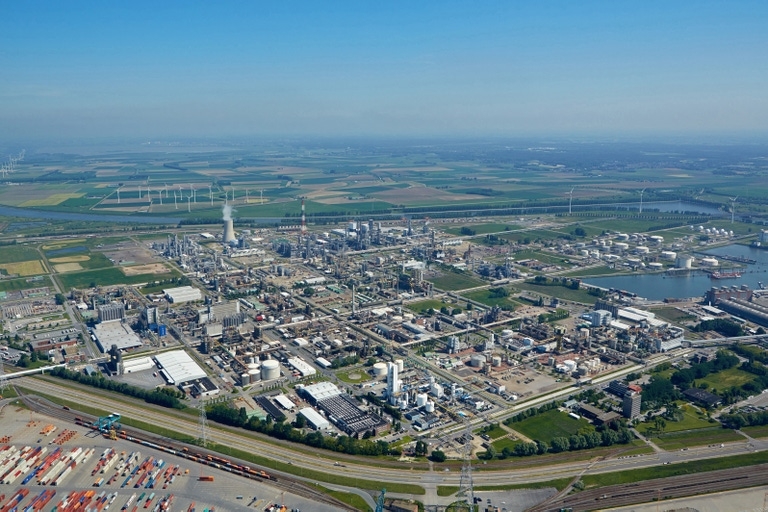
BASF has ethylene oxide plants in Antwerp and Ludwigshafen, with a combined annual capacity of 845,000 tons. BASF is the largest producer of ethylene oxide derivatives in the region.
This shutdown is not the first time that BASF's Antwerp site has faced production interruptions. In October 2025, the site's fuming sulfuric acid production unit suffered structural damage, leading to force majeure in the supply of products such as caprolactam and polyamide 6.
Buy Chemicals and PlasticsAccording to research institute statistics, in 2024, global ethylene glycol production will exceed 36.5 million tons, with over 75% used for the production of PET resin and polyester fibers. In the same year, the production of ethylene oxide will surpass 22.7 million tons, primarily used for synthesizing ethoxylates and ethylene glycol. The Asia-Pacific region leads the market, contributing over 51% of global production, with China alone producing more than 12.3 million tons of ethylene glycol. In 2024, Europe is expected to produce approximately 5.4 million tons of ethylene glycol (EG) and 3.9 million tons of ethylene oxide (EO). France and Germany are the main markets for ethylene oxide consumption in the pharmaceutical and detergent production sectors. Regulatory compliance requirements have forced over 670,000 tons of capacity to be shut down. The growth of recycled PET resin has impacted the region's demand for high-purity ethylene glycol (MEG).
Market analysis suggests that this force majeure event is expected to exacerbate the supply shortage of ethylene glycol and related downstream products in Europe. In the short term, ethylene glycol prices in the European market may face upward pressure, causing a ripple effect on the polyester and other industrial chains.
On the supply side, Europe's ethylene glycol production capacity has already been tight, and this shutdown will further reduce regional supply. Particularly considering that winter is the peak season for antifreeze demand, which is the second largest application field for ethylene glycol.
In the industrial chain, the tight supply of ethylene glycol may transmit to the production of polyester fibers and PET resins, impacting the textile and packaging industries. The European automotive industry, a major customer of the chemical sector, is already facing challenging times, and this event may exacerbate that predicament.
Price transmission in the European market may lead to an increase in demand for ethylene glycol from other regions, thereby driving up global market prices, especially with stable demand in the Asia-Pacific region.
As BASF's largest production site in Belgium, the shutdown incident at the Antwerp plant highlights the systemic challenges faced by the European chemical industry. In fact, the European chemical industry is undergoing an unprecedented period of adjustment. In 2023, BASF announced a cost-cutting plan targeting Europe, focusing on rationalizing cost structures in Germany to address changing framework conditions.
According to the plan, BASF expects to reduce costs by more than 500 million euros annually by integrating services into shared service centers and simplifying the management structure.
It is worth noting that BASF has subsequently raised the annual cost savings target for its Antwerp plant. Compared to the 2024 level, the company has increased its annual cost savings target by the end of 2028 from the initially proposed €100 million to €150 million.
【Copyright and Disclaimer】The above information is collected and organized by PlastMatch. The copyright belongs to the original author. This article is reprinted for the purpose of providing more information, and it does not imply that PlastMatch endorses the views expressed in the article or guarantees its accuracy. If there are any errors in the source attribution or if your legitimate rights have been infringed, please contact us, and we will promptly correct or remove the content. If other media, websites, or individuals use the aforementioned content, they must clearly indicate the original source and origin of the work and assume legal responsibility on their own.
Most Popular
-
Clariant Unveils Cost-Cutting Plan Details, Plans to Shut Down Multiple Plants
-
Dow, Wanhua, Huntsman Intensively Raise Prices! Who Controls the Global MDI Prices?
-
[Today's Plastics Market] General Materials Weakly Fluctuate, Engineering Materials Steadily Rise
-
U.S. Appeals Court Officially Rules: Trump Tariff Unlawful and Void!
-
Daily Review: Polyethylene Prices Under Weak Consolidation, Sellers Face Significant Pressure to Move Inventory