



Core Guide to Automotive Interior Soft-Touch Materials: From PP to Ultra-Fiber Leather Innovation
Soft-touch materials for automotive interiors
As consumers increasingly demand high tactile sensation in automotive interior materials, researching soft-touch automotive interior materials and improving evaluation methods for soft-touch automotive interior materials are of great significance for promoting the development of automotive interior materials and enhancing automotive quality. Currently, high-touch interior materials applied to the dashboard area and seat coverings have been extensively studied.
Soft-touch polypropylene material
With the development of modification technology, polypropylene (PP) has become the most widely used general-purpose plastic in automotive applications. In some developed countries, the proportion of plastics used in vehicles has reached about 50%.
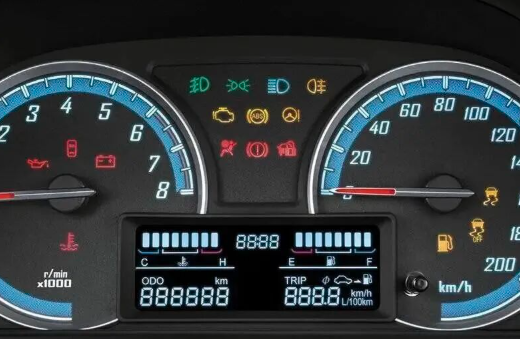
The car dashboard is one of the interior parts of a car with a large surface area and frequent contact with the human body. Currently, most mid-range and low-end cars use traditional hard dashboards, which are directly injection molded from traditional PP. These dashboards have a high surface gloss and a strong plastic texture but do not provide a soft touch. In high-end luxury models, dashboards with a three-layer structure offering a better soft touch (composed of soft surface skin + foam core layer + framework) are commonly used. However, this type of dashboard has a complex molding process and is expensive.
Therefore, directly modifying the formulation to impart a soft touch to PP and then injection molding it to produce interior parts such as dashboards with a soft touch is a new solution for preparing soft-touch interior materials for automobiles. This approach is attracting significant attention from the PP modification industry and the automotive industry.
The preparation of soft-touch PP is currently achieved mainly by adding elastomer components and gloss-reducing components during the glass fiber reinforced PP process to attain a soft visual and tactile feel. As the demand for automotive interiors increases, soft-touch PP is developing towards multifunctionality, combining excellent mechanical properties, high tactile sensation, environmental friendliness, and antibacterial properties.
By incorporating an appropriate proportion of elastomers and chopped glass fibers into the PP matrix and using a twin-screw extrusion process, an enhanced PP material specifically designed for automotive dashboards is prepared. This material exhibits a soft touch feel, high rigidity, and excellent impact strength at both normal and low temperatures.
During the modification process of PP with alkali-free chopped glass fibers and EPDM elastomer, a hyperbranched copolymer of ethylene and methyl acrylate, along with a composite antibacterial agent containing nano aluminum oxide and anatase nano titanium dioxide, is added. This results in a PP composite material for automotive interior with excellent mechanical properties and antibacterial properties, featuring a soft touch. The inhibition rates against Escherichia coli and Staphylococcus aureus can reach up to 93.3% and 96.5%, respectively.
Soft-touch leather material
As the main material for automotive interiors, seat leather occupies a significant proportion of automotive interiors. Moreover, since seat leather materials come into prolonged contact with the human body, there are higher requirements for their tactile comfort and environmental friendliness.
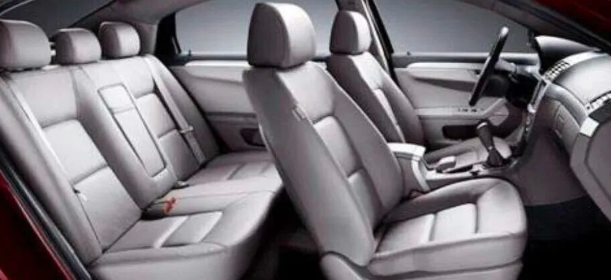
In the past, natural leather was commonly used to cover the seats of mid-to-high-end car models to achieve tactile comfort. However, natural leather is expensive, limited in resources, and its processing is not environmentally friendly. Therefore, industry researchers have been actively seeking a new type of environmentally friendly and comfortable synthetic composite material to replace natural leather for use as the surface material of car seats.
With the emergence of synthetic leather coated with polyvinyl chloride (PVC), PVC synthetic leather began to replace natural leather in the field of automotive seat leather materials. Although PVC synthetic leather has the bright appearance, wear resistance, fold resistance, and acid and alkali resistance similar to natural leather, its poor soft tactile feel is a significant drawback. Plasticizers need to be added to enhance the soft touch, but most plasticizers are toxic, produce strong odors after addition, and the disposal and recycling of used PVC synthetic leather is difficult. Therefore, the application of PVC leather in automotive interiors is limited.
PUR synthetic leather has advantages such as being environmentally friendly, odorless, soft to the touch, breathable, waterproof, easy to clean, and having good aging resistance. Its appearance and performance are close to that of natural leather, and it has gradually begun to replace PVC artificial leather in automotive interiors, with a trend towards the development of high-performance PUR synthetic leather. At present, with the rapid development of microfiber technology in the textile industry and the integration of high-performance PUR leather technology, a new environmentally friendly material known as microfiber leather has become the most ideal high-touch leather material for automotive interiors. This leather not only surpasses natural leather in physical performance but also exceeds natural leather in terms of breathability, moisture permeability, and comfort. Abroad, especially in Japan and Europe, this new artificial leather material is gradually being used to replace natural leather. Currently, various car models from BMW, Mercedes-Benz, Toyota, Honda, and others are equipped with automobile-specific microfiber leather.
A water-based PUR synthetic leather for automotive interiors was prepared by replacing organic solvents with water. It is similar in texture to genuine leather, soft and smooth, with good elasticity, while also exhibiting excellent performance, high strength, waterproof properties, and strong hydrolysis resistance.
A petal-shaped ultrafine fiber simulated leather base fabric was produced using needle punching, hydroentangling composite fiber opening technology, and surface coating techniques. It features gradient changes in fiber fineness and water-based PUR impregnation within the nonwoven fabric, closely resembling the structure of genuine leather substrates, offering excellent tactile feel, drape, and texture.
A method for preparing a high-performance synthetic leather material for automotive interiors with good tactile feel has been disclosed. The process involves two impregnations using environmentally friendly water-based PUR, and the addition of an appropriate amount of pine wood components during molding to impart antibacterial properties to the synthetic leather. The final product, ultra-fine fiber PUR leather for automotive interiors, not only offers a genuine leather feel but also features environmental friendliness, flame retardancy, and antibacterial functionality.
Material tactile characterization methods
With the research on soft-touch interior materials, evaluating the soft-touch performance of materials has become a significant issue facing the interior industry. In terms of touch evaluation of materials, the traditional method involves experienced experts touching the materials to form a comprehensive feeling and thereby evaluate the tactile performance of the materials. This evaluation method has many shortcomings, as the results are easily influenced by subjective factors such as personal expertise and preferences, as well as objective factors like the environmental and climatic conditions of the evaluation. Additionally, this method lacks objective quantitative evaluation metrics and cannot distinguish subtle differences in tactile performance between materials. Many researchers are attempting to use specific mechanical properties parameters of materials to characterize their tactile feel.
【Copyright and Disclaimer】The above information is collected and organized by PlastMatch. The copyright belongs to the original author. This article is reprinted for the purpose of providing more information, and it does not imply that PlastMatch endorses the views expressed in the article or guarantees its accuracy. If there are any errors in the source attribution or if your legitimate rights have been infringed, please contact us, and we will promptly correct or remove the content. If other media, websites, or individuals use the aforementioned content, they must clearly indicate the original source and origin of the work and assume legal responsibility on their own.
Most Popular
-

Clariant Unveils Cost-Cutting Plan Details, Plans to Shut Down Multiple Plants
-
Dow, Wanhua, Huntsman Intensively Raise Prices! Who Controls the Global MDI Prices?
-
[Today's Plastics Market] General Materials Weakly Fluctuate, Engineering Materials Steadily Rise
-
U.S. Appeals Court Officially Rules: Trump Tariff Unlawful and Void!
-
Daily Review: Polyethylene Prices Under Weak Consolidation, Sellers Face Significant Pressure to Move Inventory