



35.9% Coverage Rate Drives Reform! New Regulations for Composting and Compostable Packaging in the United States (US)
The U.S. Plastics Pact (USPP) recently released a policy briefing that outlines the overall policy landscape needed to improve composting systems, with the goal of transforming fragmented, piecemeal composting models into a nationwide circular economy solution. At present, only 35.9% of Americans have access to food waste collection services, and this document precisely fills this critical industry gap.
The new report titled *Scaling Up Composting Development* that by coordinating policy frameworks, sustained funding investment, and systematic planning, the construction of composting infrastructure can be accelerated; at the same time, compostable packaging can be used as a complementary solution within recycling systems and promoted nationwide across the United States.
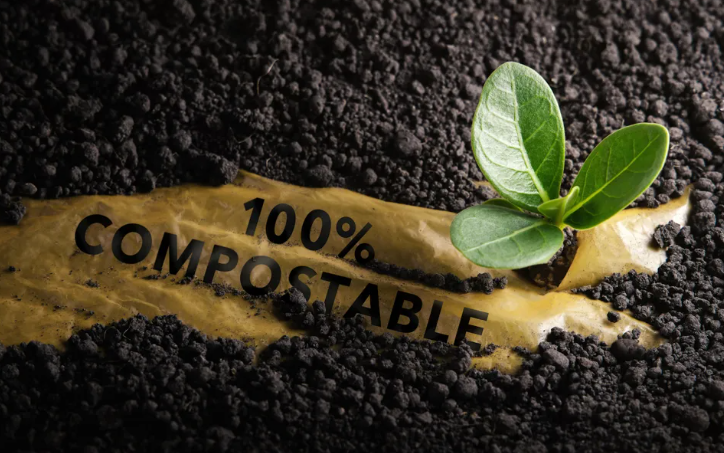
Fill the gaps in infrastructure.
This policy framework directly addresses a major challenge in settings such as sports venues, festival sites, and airports, where it is difficult to effectively separate food waste from packaging waste. For waste that is heavily contaminated with food and therefore cannot be recycled, compostable packaging offers a practical solution by enabling the combined collection of food waste and packaging, while also reducing contamination in recyclable materials.
USPP Interim Executive Director Crystal Bayliss said, “Compostable packaging can only deliver real value when composting systems are scaled up and widely implemented. A fragmented policy environment with inconsistent standards cannot provide the stable expectations needed for industry investment and the long-term development of the system.”
The report emphasizes that while home composting still has value, achieving substantial progress will require expanding industrial composting infrastructure to a scale comparable to the nation’s existing recycling system.
Circular Economy Support Policy Plan
The USPP framework outlines specific policy pathways to promote the development of the industry system, including state and federal government grants and loans, Extended Producer Responsibility (EPR) mechanisms, and procurement standards for compost and compostable products. The report also summarizes landfill bans, waste diversion control requirements, and local management regulations. Through such measures, it expands processing capacity, shortens transportation distances, and enhances participation from various sectors of society.
Bayliss added: “This latest framework sets out a clear and actionable policy pathway, helping us improve composting infrastructure and advance the circular economy in practice by returning more nutrients to the soil, thereby empowering community ecological development.”
Standardized Development and Industry Collaboration
The report emphasizes the urgent need to improve waste management standards in the catering industry and establish a unified national labeling standard to reduce recycling contamination rates, guide consumers in accurately identifying compostable products, and ensure that various types of waste enter their corresponding collection and treatment channels.
USPP Policy and Reporting Program Manager Megan O’Brien said, “Without the participation and coordination of partners and stakeholders across the composting and packaging value chains, the findings of this study could not have been successfully put into practice. Their input helped ensure that this resource accurately reflects the industry’s current pain points and offers practical policy solutions to support the scaling of the composting industry.”
【Copyright and Disclaimer】This article is the property of PlastMatch. For business cooperation, media interviews, article reprints, or suggestions, please call the PlastMatch customer service hotline at +86-18030158354 or via email at service@zhuansushijie.com. The information and data provided by PlastMatch are for reference only and do not constitute direct advice for client decision-making. Any decisions made by clients based on such information and data, and all resulting direct or indirect losses and legal consequences, shall be borne by the clients themselves and are unrelated to PlastMatch. Unauthorized reprinting is strictly prohibited.
Most Popular
-

A Look at the Material Suppliers Behind SpaceX
-

Government's Triple Action, Enterprises' Three Arrows in Five Days, Semiconductor Reshuffle! What Signal Does Japan's Chemical Industry Release?
-
Name change without tax change: POM Anti-Dumping Duty Rate Inheritance Implemented
-
Fire breaks out at jiangsu meiside!
-
Ethylene: Production Capacity Accelerates Expansion, Global Industry Landscape Is Being Reshaped