



Abandoned Tennis Balls Don't "Go Out of Bounds": How FILA Makes Sustainability Its Brand "Home Ground"
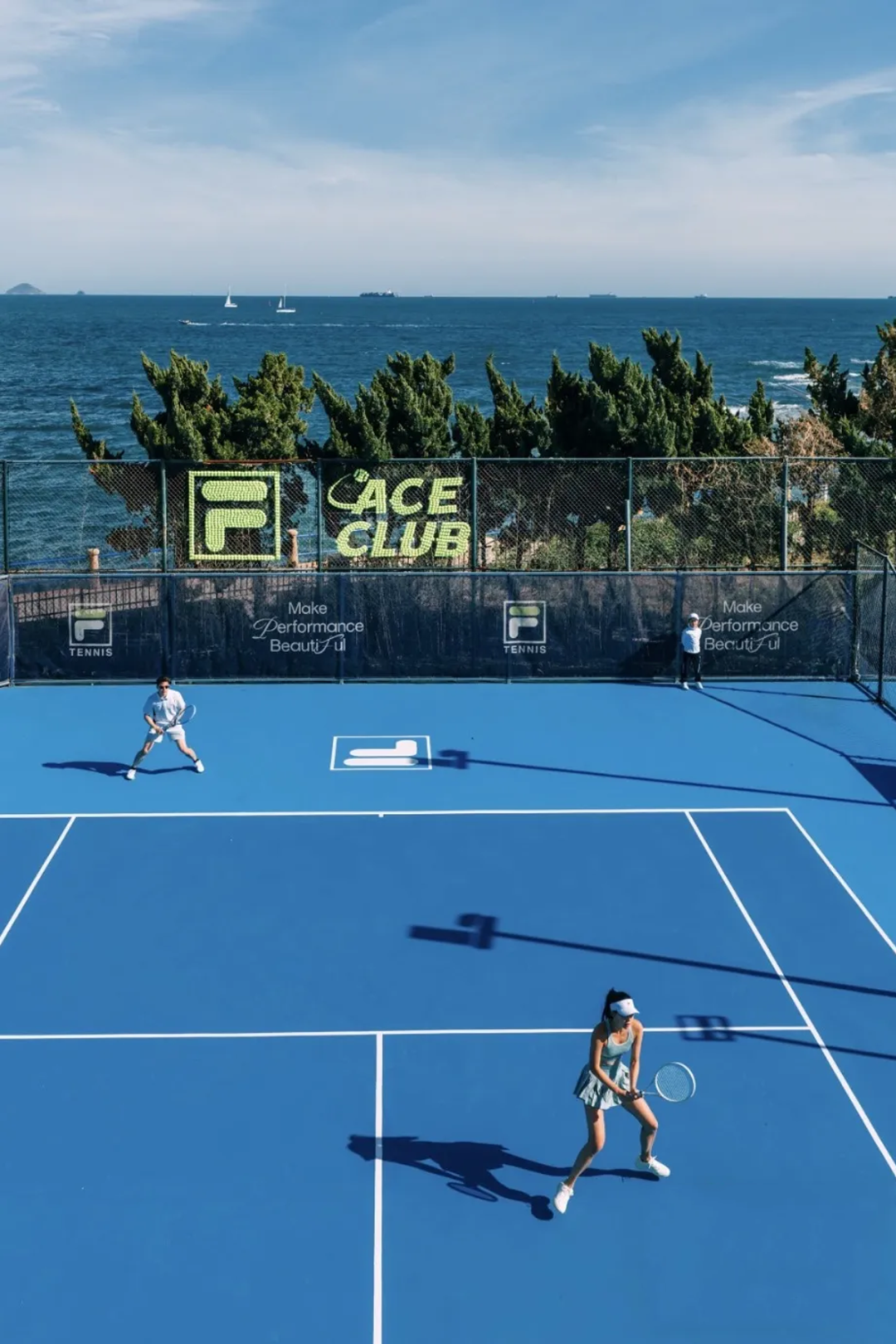
On June 5, 2026, the 55th World Environment Day, Anta Group unveiled its 2025 ESG report at the first domestic sustainable tennis court built by FILA, made from recycled abandoned tennis nets, in the coastal city of Qingdao.
“A tennis ball takes at least 400 years to decompose naturally.” At the event, Jiang Limin, Vice President of Marketing for FILA Greater China, told us the story behind this sustainable tennis court: “We collected 20,600 used tennis balls from 40 tennis clubs across 16 cities nationwide, and through an industry-first decomposition and recycling process, gave them a second life—transforming them into the very court beneath our feet.”
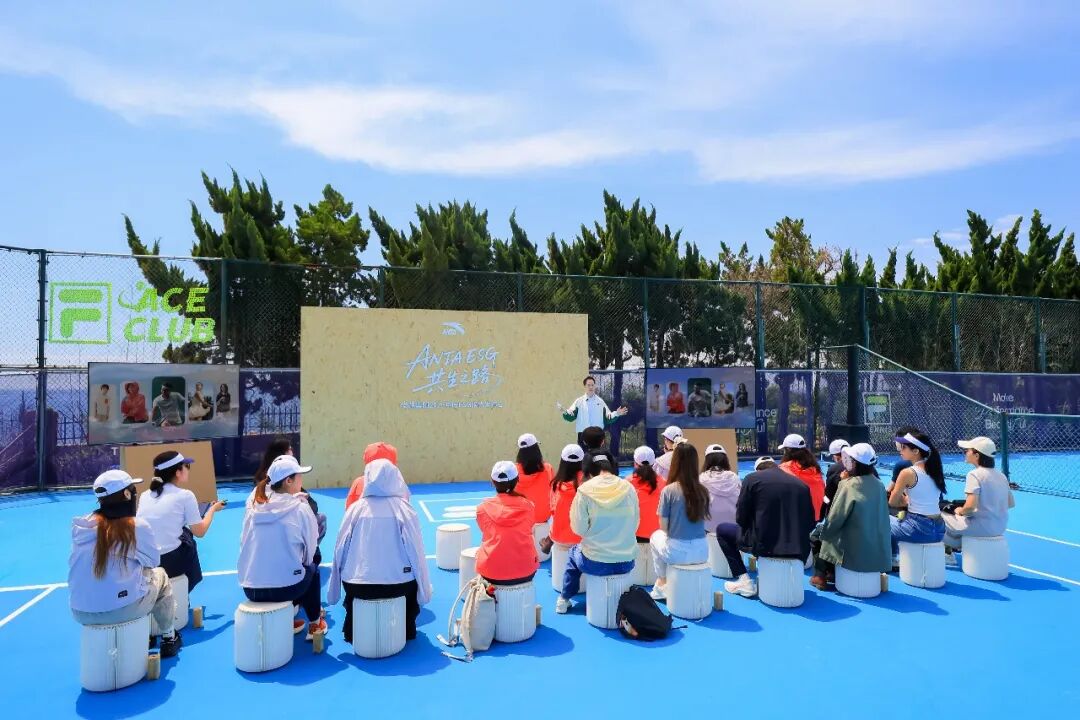
Above: Jiang Limin, Vice President of Marketing for FILA Greater China, shares FILA’s ESG achievements at the press conference.
The project ultimately achieved a carbon reduction equivalent of 12.36 tons, roughly equal to the amount of carbon absorbed by 453 mu of forest in one year. Jiang Limin said, “This is the industry’s first replicable model. We hope that through this small court by the seaside in Qingdao, we can show consumers that sports and sustainability are not mutually exclusive.”
As a high-end sports fashion brand originating from Italy, FILA takes "Sporting Beauty" as its brand mission. In September last year, FILA officially launched its brand tennis 360 strategy—covering products, players, research, events, and a "Most Beautiful Court Construction Plan" that spans 30 cities nationwide, continuously deepening its investment in the tennis ecosystem in China.
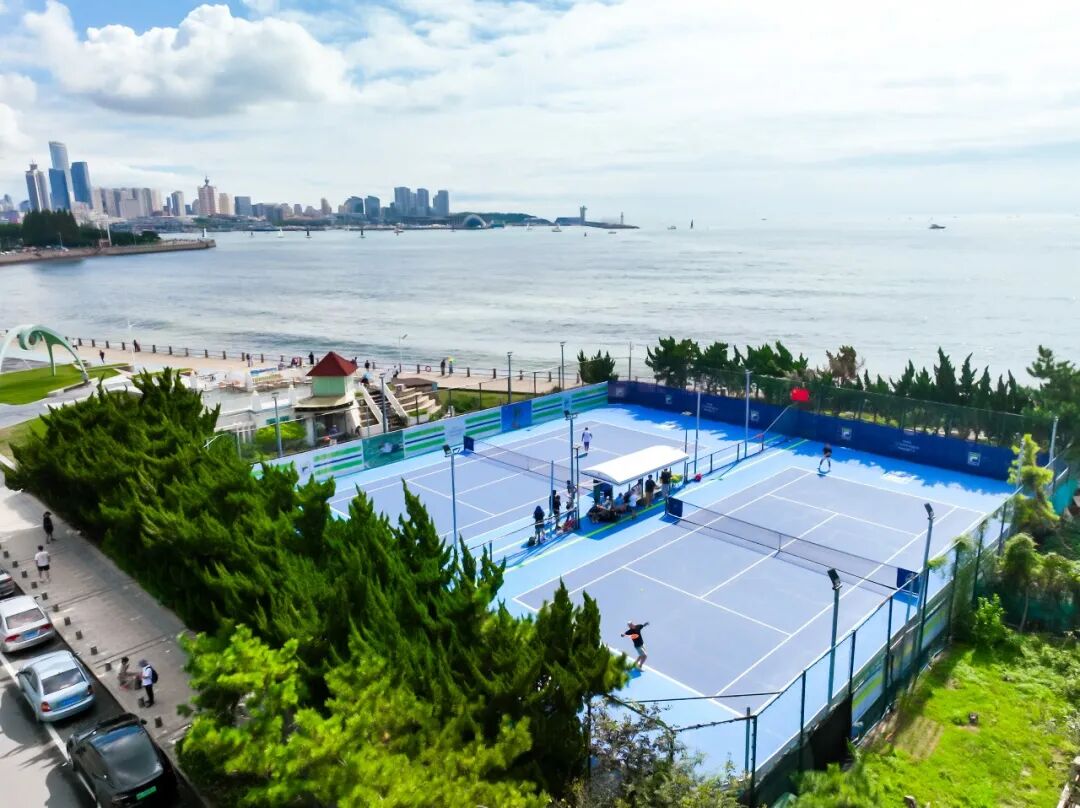
This sustainable court in Qingdao is not only a creative implementation of FILA’s “Most Beautiful Courts Initiative,” making sustainability an everyday choice for people to embrace as they swing and play, but also establishes a complete practical loop of “used ball recycling + regenerated application + carbon accounting,” becoming China’s first closed-loop case for recycling used tennis balls.
Clearly, FILA’s exploration in the tennis category is about how to integrate a sustainable lifestyle into the brand’s core products and strategy. As consumer behavior enters an era driven by values, whoever can turn sustainability into a story that users are willing to take part in within sports scenarios will be able to secure an important place in the minds of the next generation of consumers.
And in the context of tennis, FILA has already served the first set of its sustainability narrative.
A court made up of 20,000 old tennis balls is just a glimpse into FILA's sustainable vision.
Anta Group has released its first CSR report 19 years ago and has been continuously publishing ESG reports for 11 years. The MSCI ESG rating has risen four levels to AA in just three years, making it the highest rating among Chinese sportswear companies.
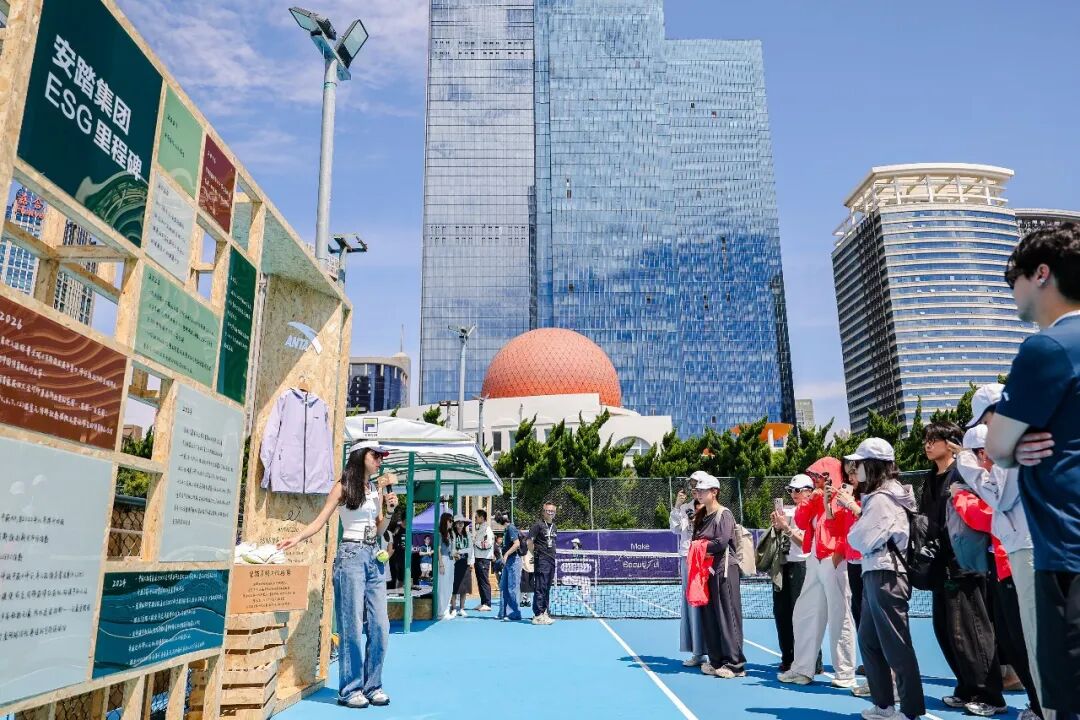
As Anta Group achieved these impressive results, FILA’s sustainability investments have also continued to be upgraded under the Group’s “1+3+5” sustainable development strategic framework.
Anta Group's ESG report shows that by the end of 2025, the proportion of sustainable products for FILA will reach 48.8%, an increase of nearly 20 percentage points within three years, while the proportion of sustainable packaging products will exceed 80%. FILA has already achieved the group's established goals for 2025 ahead of schedule.
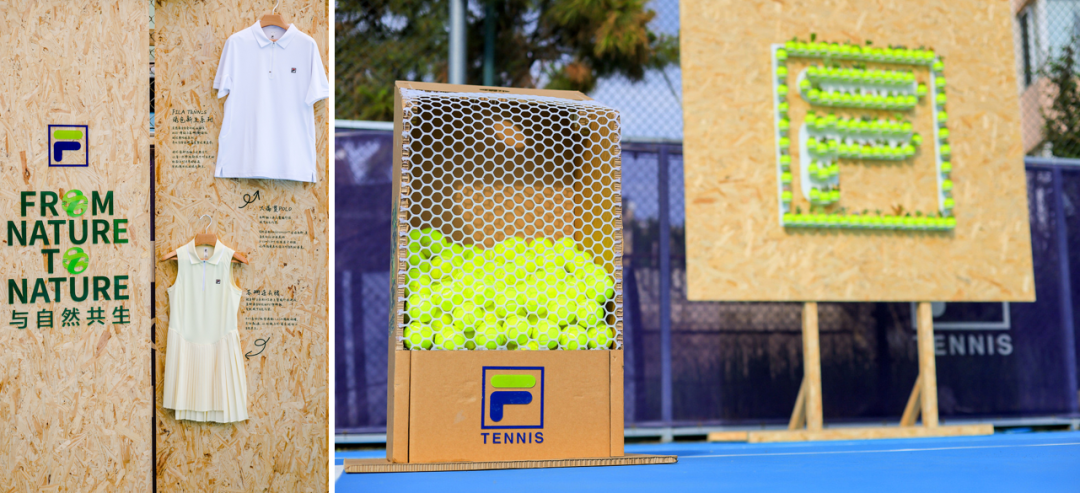
With “From Nature to Nature” as its call to action for living in harmony with nature, FILA has built a complete closed loop spanning sustainable products, sustainable store operations, and a sustainable active lifestyle.
In 2026, under the direction of the "ONE FILA strategy," FILA will offer a richer, age-inclusive, and multi-scenario sustainable product matrix, ranging from children to adults, and from tennis courts and outdoor camping to trendy lifestyles.
On the tennis court, this launch introduced the FILA TENNIS Green Renewal Collection. The brand’s century-spanning legendary classics—the Grand Slam Polo Shirt, the Susan Tennis Skirt, and the On-Court Tank—have all been innovatively made with eco-friendly polyester featuring 30% recycled PET plastic bottles, achieving a green “rebirth.”
Compared to virgin polyester, the production process of recycled polyester significantly reduces carbon emissions and decreases dependence on non-renewable resources such as petroleum from the source. Additionally, the brand representatives emphasized during the presentation that they will not sacrifice product functionality for the sake of sustainability.
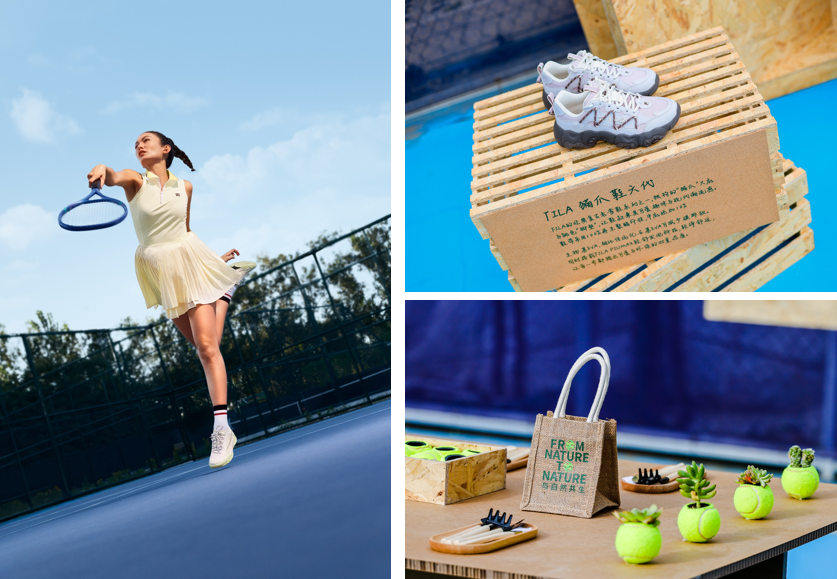
Please upload the image above.FILA TENNISGreen Renewal Series Susan tennis skirt (left), FILA Cat Paw Shoes 6th generation (upper right)
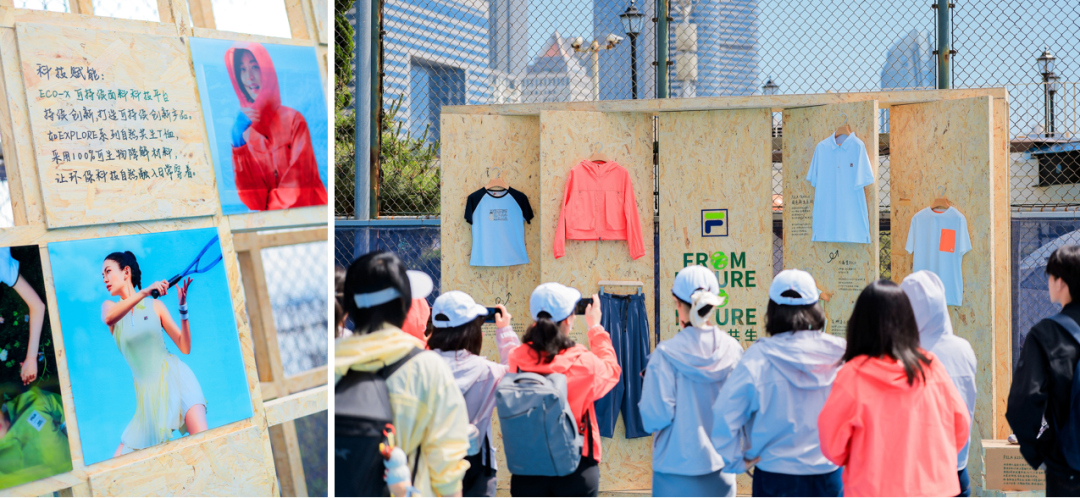
Outdoor Exploration: FILA EXPLORE eco-friendly camping jacket and pants, made with Pre-consumer recycled nylon eco-friendly yarn, sourced from recycled waste textiles. FILA KIDS creek trekking short-sleeve shirt is made with 89% recycled synthetic fiber and features moisture-wicking and quick-drying performance.
Fashion Trends: The FILA VETTA eco-friendly limited edition shoes feature a large area of the upper made from "Gufei leather," a natural, biodegradable mycelium-based eco-leather. The FILA FUSION moonge doodle dog T-shirt collaboration series uses innovative technologies that blend natural cotton fibers with SORONA® regenerated cellulose fibers.
In addition, FILA announced that it will achieve 100% FSC certification for shoe packaging and garment factory cartons by 2026. Over the next three years, the company will invest heavily in the ECO-X sustainable fabric technology platform, collaborating with global partners to focus on four key technical directions (Eco Bio bio-based, Eco Degrade biodegradable, Eco Reuse resource recycling, Eco Revo microorganisms) to develop future environmentally friendly materials that "come from nature and return to nature."
FILA's Vice President for the Greater China region, Jiang Limin, stated:
As a major sports fashion brand, we have a responsibility to drive positive change across the industry and lead its sustainability journey through innovation. FILA’s vision of “living in harmony with nature” is a holistic practice that runs through our products, retail, and lifestyle. Behind these figures, I believe what matters even more is everyday participation and every decision we make. A green vision must reach consumers where they are, becoming part of enjoyable sports experiences and genuine community interaction, and ultimately integrating into everyday active living.
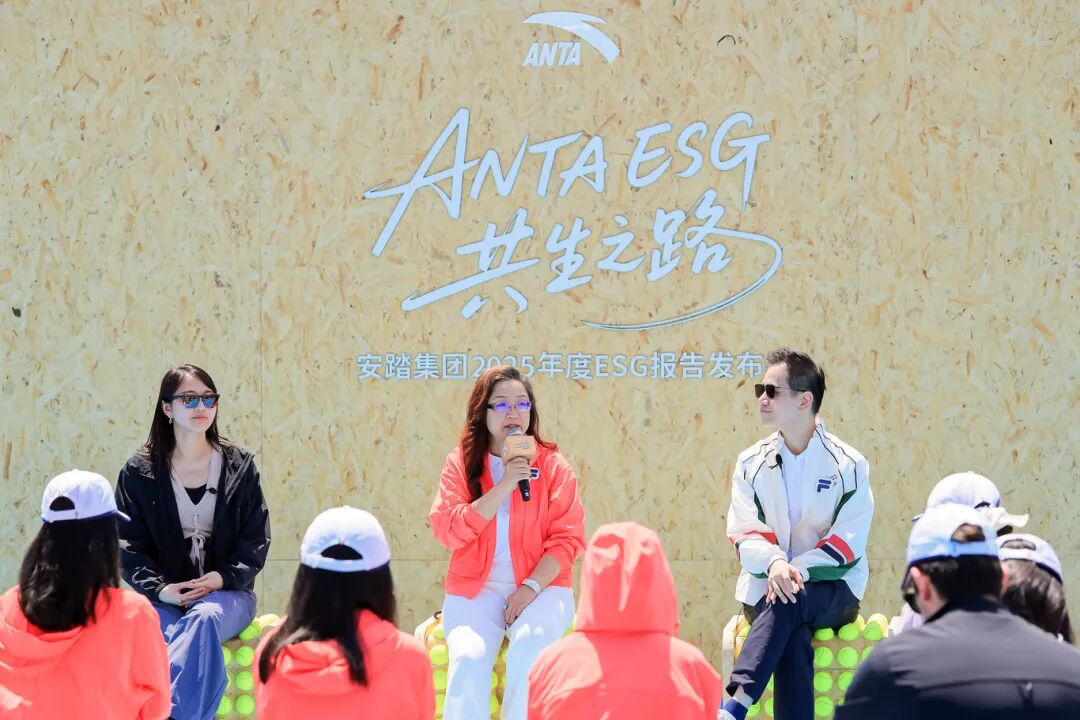
Top image: Anta Group ESG Vice President Huang Cuiqi (left); Anta Group Vice President Li Ling (center); FILA Greater China Marketing Vice President Jiang Limin (right)
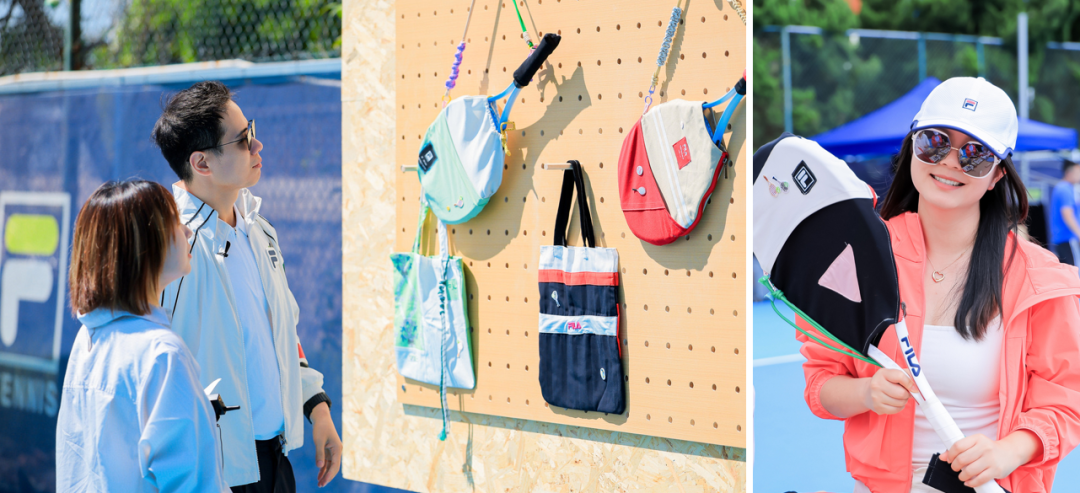
It can be seen that FILA’s exploration in the tennis sector focuses on how to integrate a sustainable lifestyle into the brand’s core categories and strategy. “Because this means we will continue to pursue sustainability, many of our initiatives will no longer be isolated and scattered, but will connect into a line or even a broader whole, creating more opportunities for consumers to see them.”
From stores to logistics, FILA continues to promote green operations and the construction of a low-carbon system.
In 2025, FILA will pilot an intelligent energy consumption management system in 9 stores, which will smartly adjust store lighting based on time, area, and customer flow, achieving an energy reduction of 10% per store with minimal impact on consumers. The plan is to expand this system to 270 stores by 2026.
From 2024 to 2025, a total of 17 FILA stores obtained LEED Gold certification, one of the highest standards in the international green building sector. This industry-leading number has helped create international-standard benchmark scenarios for green retail, with plans to add 20 more this year.
From 2023 to 2025, our stores reduced waste sent to landfill by 35% through the recycling and reuse of old items, giving more discarded goods a second life.
Paperless inventory operations have been implemented for shipments from self-operated warehouses to FILA stores, reducing paper consumption by a total of 16,000 kilograms, equivalent to saving 272 trees.
These iterative efforts in the operations backend are building the most solid foundation for the FILA brand's "coexistence with nature."
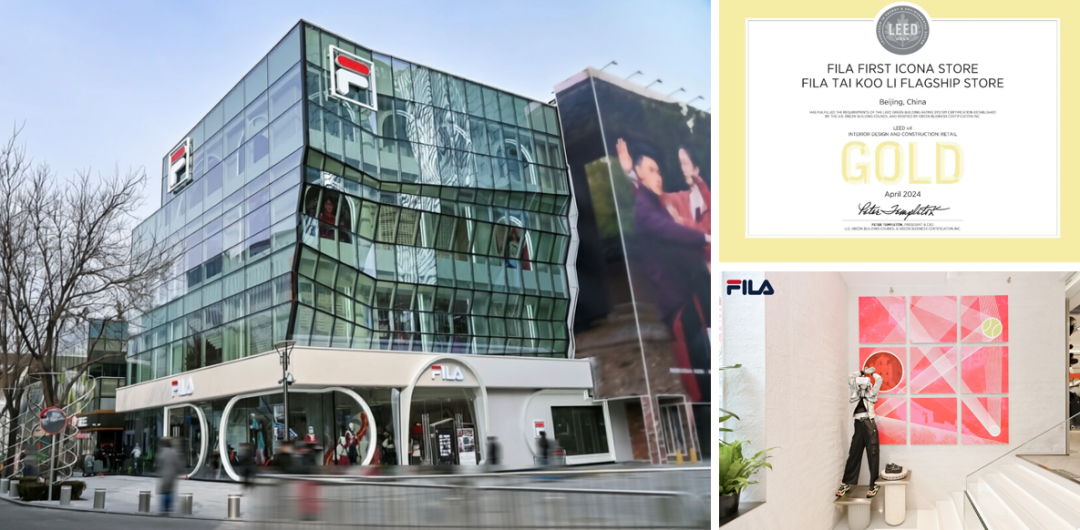
The above image: FILA LEED Gold-certified store in Sanlitun Taikoo Li.
【Copyright and Disclaimer】The above information is collected and organized by PlastMatch. The copyright belongs to the original author. This article is reprinted for the purpose of providing more information, and it does not imply that PlastMatch endorses the views expressed in the article or guarantees its accuracy. If there are any errors in the source attribution or if your legitimate rights have been infringed, please contact us, and we will promptly correct or remove the content. If other media, websites, or individuals use the aforementioned content, they must clearly indicate the original source and origin of the work and assume legal responsibility on their own.
Most Popular
-

Layoffs, Divestments, Plant Closures While Pouring Billions: BASF Undergoes Major Transformation!
-

Ascend Adipic Acid Hit By Force Majeure, Market Expects Supply Resumption In Mid-September
-

Raw Material Supply Shortage! INEOS Phenol Declares Force Majeure on Phenol and Acetone Businesses
-
South Korea initiates anti-dumping investigation against Chinese PVC suspension resin! The target is Tianjin Bohua and Wanhua Chemical. How to break through?
-

Sixth national procurement set to be implemented: A “Reshuffling” Moment for the $10-Billion Medical Device Market