


Carbon Footprint Slashes by 25% as Rohm PMMA Enters Lighting Market
U.S. lighting manufacturer RAB Lighting adopted Röhm's polymethyl methacrylate (PMMA) molding compound, Plexiglas proTerra 8N, in the development of energy-efficient lighting fixtures. This material effectively reduces the carbon footprint in terms of carbon dioxide equivalent (CO₂e) emissions.
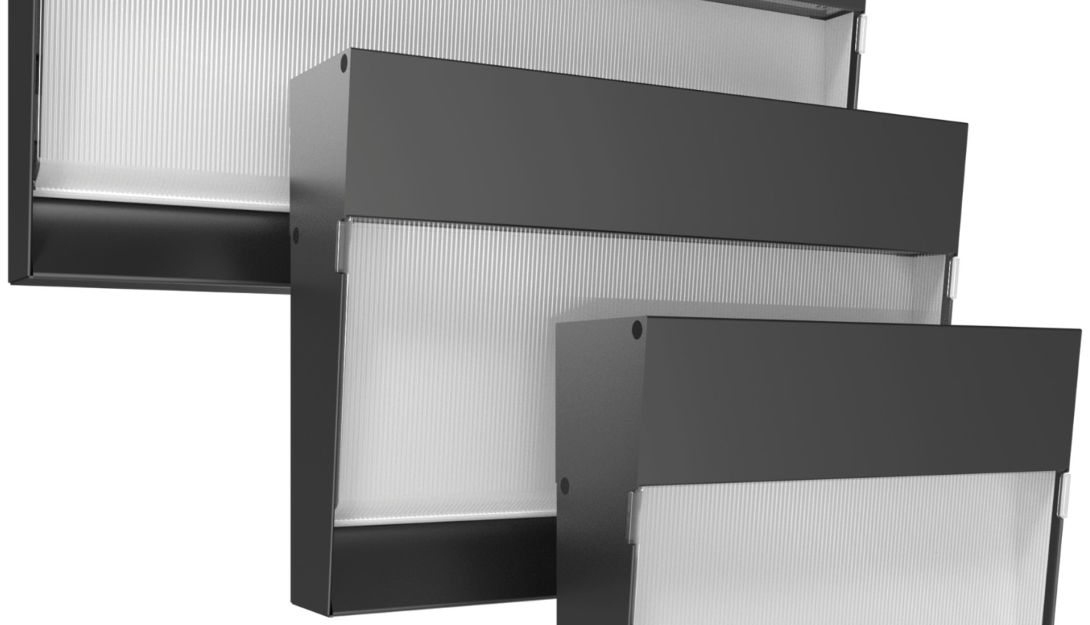
ProTerra 8N material textured acrylic shade, helping outdoor wall lamps achieve resource-efficient product design.
Plexiglas proTerra 8N is partially manufactured from bio-circular raw materials, replacing fossil-based feedstocks. Its raw material composition is calculated using the ISCC Plus certified mass balance method. According to the manufacturer, this material reduces the cradle-to-gate carbon footprint by approximately 25% compared to conventional grades, based on a full life-cycle emissions assessment covering raw material extraction through to factory gate.
This material is chemically identical to standard Plexiglas 8N and shares the same optical and mechanical properties, enabling direct use in existing product designs and manufacturing processes without any modifications. This PMMA material has a light transmittance of approximately 92% and exhibits excellent light-guiding performance, making it particularly suitable for applications with stringent optical requirements. It also offers good UV resistance and weatherability.
In the C-Wall series of luminaires, RAB Lighting combines this PMMA material with other energy-saving materials, such as using recycled aluminum for the fixture housing. The series features a top-mounted LED module design, paired with an aluminum reflector to achieve directional downlighting and reduce glare, while the textured PMMA diffuser ensures uniform light distribution.
The proTerra product line includes various PMMA molding compounds containing different proportions of sustainable raw materials. In addition to models containing bio-circular components, it also offers products made from post-industrial recycled PMMA. These materials aim to reduce resource consumption and support the circular economy in fields such as optoelectronics and automotive manufacturing.
【Copyright and Disclaimer】This article is the property of PlastMatch. For business cooperation, media interviews, article reprints, or suggestions, please call the PlastMatch customer service hotline at +86-18030158354 or via email at service@zhuansushijie.com. The information and data provided by PlastMatch are for reference only and do not constitute direct advice for client decision-making. Any decisions made by clients based on such information and data, and all resulting direct or indirect losses and legal consequences, shall be borne by the clients themselves and are unrelated to PlastMatch. Unauthorized reprinting is strictly prohibited.
Most Popular
-

Continental Plans to Begin Sale of ContiTech in Early 2026
-

$4 Billion! Medtronic Makes Another Acquisition
-
BASF Delivers First Batch of Innovative Cathode Materials for Semi-Solid-State Batteries to Weilan New Energy
-
Profit and Revenue Growth Struggle to Conceal Debt Repayment Pressure; Success of Kingfa Sci & Tech's High-End Strategy Yet to Be Seen
-

Why did a century-old european dental instrument giant relocate its manufacturing hub to china?