



Fuel Car Makers Sell Off Globally, Chinese Automakers Buy Up Old Production Capacity
According to a report on May 7th by Fast Technology, in recent years, the global automotive industry has been undergoing a restructuring of production capacity: several overseas traditional car manufacturers have continuously reduced inefficient fuel vehicle production capacities and divested non-core manufacturing assets; Chinese car manufacturers, relying on mature new energy technologies and industrial chain advantages, have continuously acquired idle high-quality production capacities globally, accelerating their overseas expansion.
Recently, Geely Auto reached an agreement with Ford to acquire the No. 3 body and assembly production line at Ford's Valencia plant in Spain for the production of multi-energy vehicles.
This global asset sale stems from the strategic retrenchment of traditional automakers.
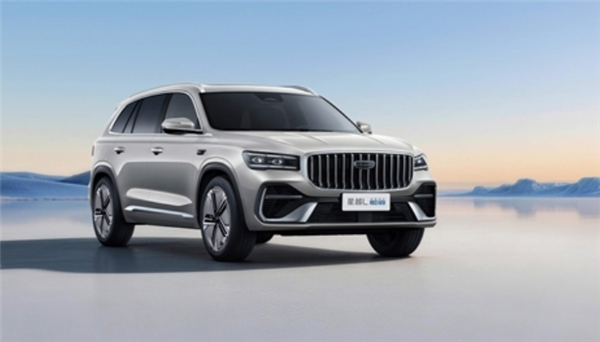
Faced with declining profits from gasoline vehicles and underutilized production capacity, international giants such as Ford, Volkswagen, and Stellantis have decided to focus their resources on electric vehicle R&D.
Therefore, the closure or low-price transfer of numerous mature gasoline vehicle factories in Europe, South America, Southeast Asia, and other regions provides a golden opportunity for Chinese automakers to expand at a low cost.
Acquiring overseas old plants has become the optimal approach for Chinese automakers to go global.
Compared to building a new factory, which takes three to five years, acquiring and retrofitting an existing factory can be completed in approximately one year, significantly improving efficiency.
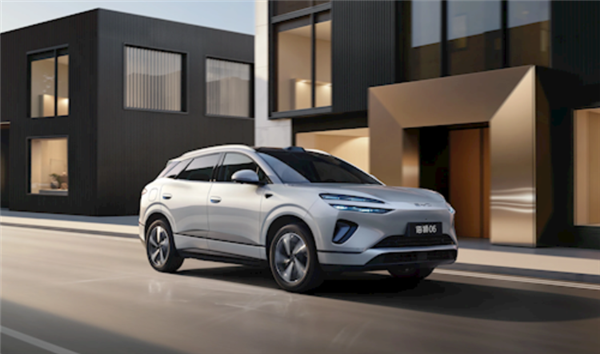
BYD took over Ford’s Brazilian plant in March 2024 and achieved first-vehicle rollout in just 16 months; GWM completed its layout earlier, acquiring the former Mercedes-Benz Brazilian plant in 2021, with formal commissioning scheduled for August 2025. The initial annual production capacity will reach 50,000 units, serving the entire Latin American market.
More importantly, this localized production model can effectively circumvent trade barriers.
In the context of the EU imposing anti-subsidy tariffs and emerging markets setting high tariffs, establishing factories overseas can significantly reduce costs, enhance product competitiveness, and promote Chinese car companies to shift from merely exporting products to going global with the entire "R&D, production, sales, and service" industrial chain.
Data shows that by 2025, China's overseas car sales have exceeded 9 million units, with significant achievements in global layout.

【Copyright and Disclaimer】The above information is collected and organized by PlastMatch. The copyright belongs to the original author. This article is reprinted for the purpose of providing more information, and it does not imply that PlastMatch endorses the views expressed in the article or guarantees its accuracy. If there are any errors in the source attribution or if your legitimate rights have been infringed, please contact us, and we will promptly correct or remove the content. If other media, websites, or individuals use the aforementioned content, they must clearly indicate the original source and origin of the work and assume legal responsibility on their own.
Most Popular
-

Raw Material Supply Shortage! INEOS Phenol Declares Force Majeure on Phenol and Acetone Businesses
-
Lantiche Group To Shut Down Italian Adipic Acid Production Plant
-

Resin Market Trends Diverge: Buyers' Bargaining Advantage Hit by Geopolitical Uncertainty
-
AI Computing Power Demand Ignites Electronic Fabrics! China Jushi Hits Limit Up! Domestic Substitution Welcomes Golden Window
-
Strait of Hormuz Blocked Again, Supply-Demand Mismatch in Polyolefin Market Set to Intensify!