



Global’s Largest Single-Unit PPC Production Line Comes Online, Driving Surging Demand for Specialized Color Masterbatches for Biodegradable Materials!
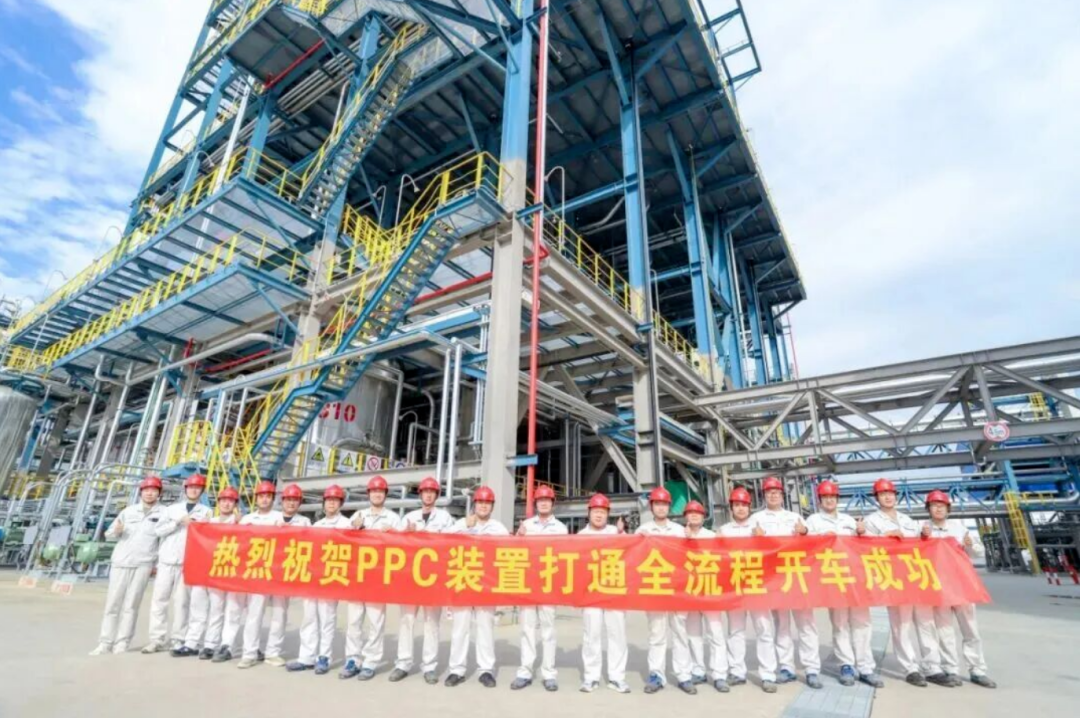
Relying on the supercritical polymerization industrialization technology of the Changchun Institute of Applied Chemistry, Linkhong Gerun’s 50,000 t/a polypropylene carbonate (PPC) plant has been officially put into operation.
This facility represents the world’s largest single-unit PPC production capacity, filling the global industrialization gap for 50,000-ton-scale PPC, and also marks China’s CO₂-based biodegradable materials as entering the stage of large-scale mass production.
PPC is produced by copolymerizing carbon dioxide and propylene oxide, enabling the resource utilization of industrial waste CO₂ and aligning with the dual-carbon development strategy. The new-generation ePPC is naturally degradable, helping address issues such as plastic mulch residue and white pollution, and is widely used in agricultural mulch films, food packaging, express delivery packaging, disposable tableware, and other applications.
PPC substrates are transparent or light yellow, and downstream film and ground cover products require coloring and functional modification. The mainstream applications include color series such as black, white, blue, and green, along with accompanying functions such as UV resistance, aging resistance, anti-adhesion, and antibacterial properties. Industry data shows that the conventional masterbatch addition ratio for PPC films and ground covers is 2% to 5%, while the addition amount for black ground covers can reach 5% to 8%.
Based on full-capacity operation, the project will add annually.1000–2500 tonsMarket demand for biodegradable specialty color masterbatches is rising. Due to the unique thermal stability of PPC, conventional polyolefin color masterbatches are not compatible. Related products therefore have higher technical barriers and gross margins, further benefiting companies positioned in the biodegradable functional masterbatch segment and driving the color masterbatch industry toward higher-end and more environmentally friendly development.
【Copyright and Disclaimer】The above information is collected and organized by PlastMatch. The copyright belongs to the original author. This article is reprinted for the purpose of providing more information, and it does not imply that PlastMatch endorses the views expressed in the article or guarantees its accuracy. If there are any errors in the source attribution or if your legitimate rights have been infringed, please contact us, and we will promptly correct or remove the content. If other media, websites, or individuals use the aforementioned content, they must clearly indicate the original source and origin of the work and assume legal responsibility on their own.
Most Popular
-

A Look at the Material Suppliers Behind SpaceX
-
Government's Triple Action, Enterprises' Three Arrows in Five Days, Semiconductor Reshuffle! What Signal Does Japan's Chemical Industry Release?
-
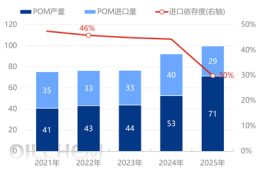
Name change without tax change: POM Anti-Dumping Duty Rate Inheritance Implemented
-
Fire breaks out at jiangsu meiside!
-
Ethylene: Production Capacity Accelerates Expansion, Global Industry Landscape Is Being Reshaped