



India emerges as toy export hub
India’s toy industry is transforming from a fragmented, import-dependent sector into a globally competitive and innovation-driven ecosystem. The market was once dominated by low-cost imported products—particularly from China—but has now reached a pivotal turning point, driven by robust policy support, rising domestic consumer demand, expanding export opportunities, and the growing adoption of licensing and brand collaboration strategies.
A Thriving Market and Global Ambitions
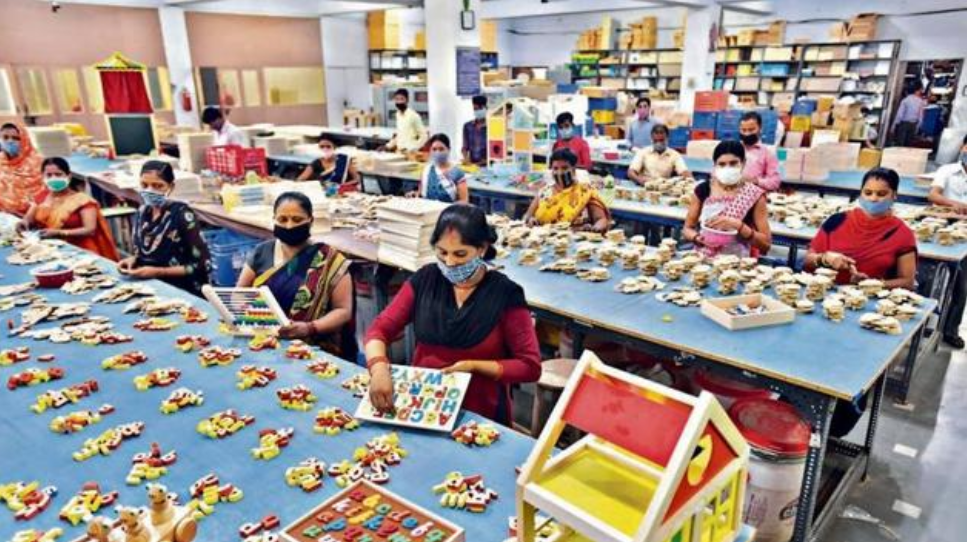
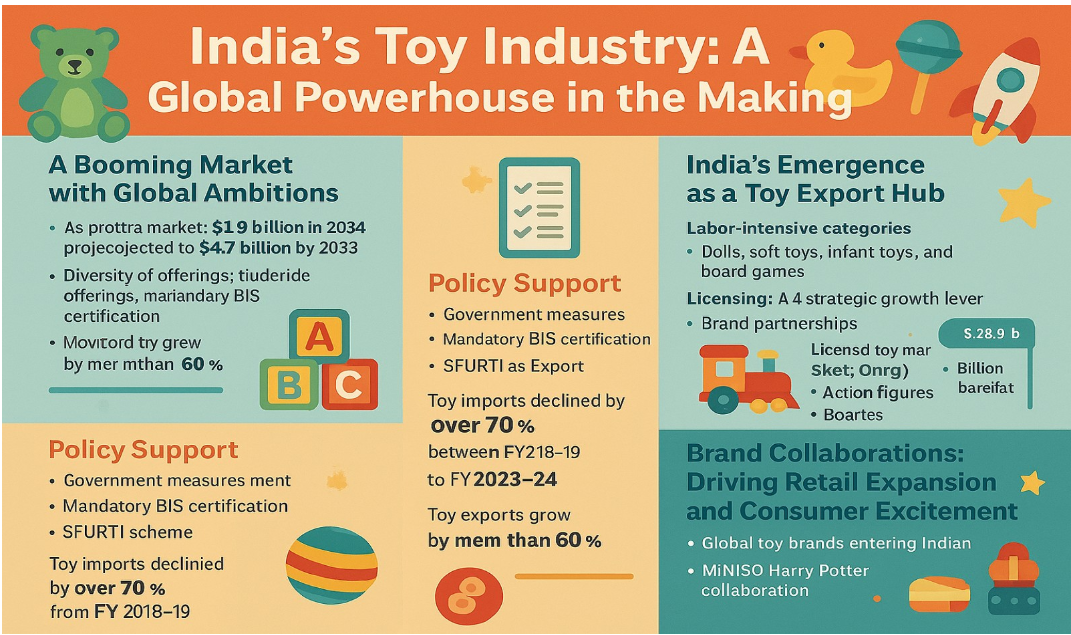
According to industry estimates, the Indian toy market was valued at approximately USD 1.9 billion in 2024 and is projected to surge to USD 4.7 billion by 2033. This growth trajectory—driven by accelerating urbanization, rising disposable incomes, and shifting consumer preferences—positions India as one of the world’s fastest-growing toy markets. Another independent estimate forecasts that the market size will reach USD 3 billion by 2028, with a compound annual growth rate (CAGR) of 12% between 2022 and 2028.
The growth story of India's toy market is remarkable due to the diversity of its products. From traditional wooden toys rooted in cultural heritage to modern educational toys and innovative products based on STEM concepts, Indian manufacturers are increasingly meeting the diverse demands of a wide range of domestic and international consumers.
Policy Support
A key driver of this revival is the Indian government's forward-looking policy framework aimed at promoting domestic manufacturing and exports. Aligned with the "Make in India" and "Atmanirbhar Bharat" (Self-Reliant India) initiatives, the government has implemented several high-impact measures:
Raising the import tariff on toys from 20% to 60% significantly curbed low-cost imports.
Enforce BIS certification, ensuring compliance with quality and safety standards.
Launched the National Toy Action Plan, providing a comprehensive roadmap for industry support.
The "Traditional Industry Revitalization Fund Plan" has played a significant role in revitalizing traditional toy industry clusters by establishing shared facilities centers.
Toys have also been included in the “Regional Export Center” program to promote regional specialization and export readiness.
These joint efforts have already begun to bear fruit:
Toy imports declined by more than 70% between the 2018–19 fiscal year and the 2023–24 fiscal year.
Meanwhile, toy exports increased by more than 60%.
This strategic shift in trade dynamics is helping India capture a larger share in the global toy market, which was previously dominated by Chinese manufacturers.
India rises as a toy export hub
India's emergence as a global toy manufacturing hub is no longer just a possibility but is becoming a reality. With tariff advantages, expanding international connections, and the capacity for large-scale production of high-quality toys, India is increasingly being seen as a reliable exporter to the U.S., Middle Eastern, and African markets.
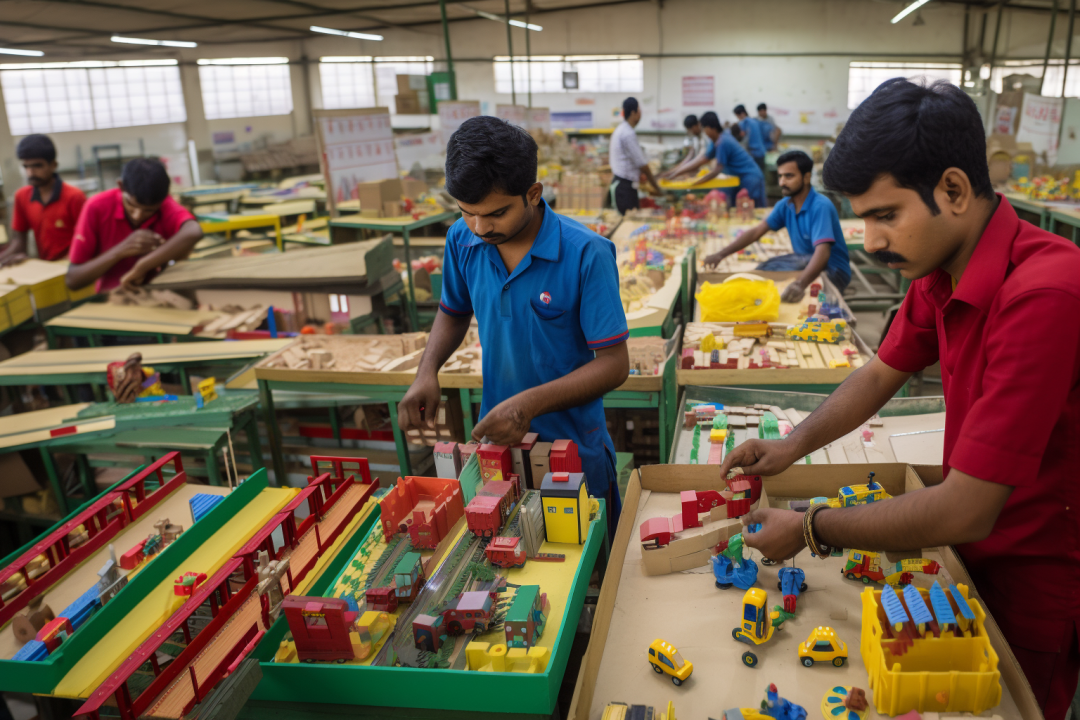
Labor-intensive categories such as dolls, plush toys, baby toys, and board games give India a unique advantage due to its large skilled workforce. The availability of raw materials, cost-effectiveness, and increasing compliance with global safety and environmental standards are making Indian toy manufacturers preferred partners for international buyers.
Authorization: A Strategic Growth Lever
Among the most transformative trends reshaping the toy industry, the rise of brand licensing stands out, having become a powerful catalyst for innovation, market expansion, and consumer engagement.
Indian manufacturers are increasingly collaborating with global entertainment giants such as Disney, Marvel, Nickelodeon, and DC Comics to create original, high-quality toys featuring beloved characters. From action figures and dolls to puzzles, building block sets, and board games, licensed toys now dominate shelf space across both online and offline retail platforms.
According to Global Market Insights (2024), the global licensed toys market is valued at $28.9 billion, highlighting the scale and momentum of this trend. In India, this has led to an increased demand for certified, character-themed toys that deeply resonate with both children and parents. Licensed products not only provide brand recognition but also ensure compliance with international safety standards, enhancing trust and elevating the overall play experience.
Brand Collaboration: Promoting Retail Expansion and Consumer Enthusiasm
Leading global toy brands are tapping into the potential of the Indian market through immersive retail models, exclusive collaborations, and experiential marketing.
LEGO enters India via the certified store model.
One of the most significant recent developments is LEGO Group's entry into India, partnering with Ample Group to open the country's first LEGO Certified Store at Ambience Mall in Gurugram. This launch marks a strategic milestone for the iconic toy brand, which is currently focusing on physical retail expansion to foster deeper consumer engagement.
The LEGO India Market Manager stated: “We are laying the foundation for a strong retail presence, aiming to bring the joy of play to more Indians by opening multiple stores across India.”
The General Manager of LEGO India and Emerging Markets in Asia also emphasized this viewpoint, highlighting India’s tremendous potential and the brand’s commitment to contributing to the continuously expanding toy industry.
Following Gurugram, LEGO has opened its second store in Bangalore and plans to open more stores in major Indian cities, bringing a world-class retail experience and interactive play zones.
MINISO and Harry Potter: A Pop Culture Collaboration
Another noteworthy example is the Harry Potter-themed pop-up store opened by Miniso at the Noida India Mall. The store is designed as an immersive magical experience, offering licensed stationery, plush toys, collectibles, and house-themed apparel, complemented by decorations inspired by the magical world of the series.
This initiative highlights how brands leverage globally popular cultural IPs to attract Millennial and Gen Z consumers—not only creating retail points but also crafting experiential destinations.
Hasbro's strategic expansion in India
Hasbro, a global toy giant renowned for iconic brands such as NERF, Monopoly, Play-Doh, and My Little Pony, is also strengthening its presence in India. With a robust business across Asia and the Middle East, Hasbro is focusing on location-based experiences like Peppa Pig Parks while expanding its consumer products business in India.
According to a report by Euromonitor International, Hasbro continues to lead in key categories in India. Its brand-first strategy, combined with localization adjustments and licensing partnerships, has given it a strong position in the high-end toy sector.
The role of e-commerce and omnichannel retailing
The rise of digital platforms has also played a key role in driving the adoption of toys in tier-2 and tier-3 cities. Online marketplaces such as Amazon, Flipkart, and FirstCry have enabled consumers to explore a wide variety of Indian and international toys.
Today, many toy brands are adopting an omnichannel strategy—integrating physical retail with a robust e-commerce experience—to ensure broader reach, efficient distribution, and enhanced customer engagement. The rise of content-driven e-commerce—marketing toys through storytelling, influencer reviews, and video-centric campaigns—is also giving brands greater visibility.
Challenges and the Path Forward
Despite remarkable progress, the Indian toy industry still faces challenges.
High logistics and warehousing costs have affected the profitability of small manufacturers.
Limited access to advanced technologies and R&D support may constrain product innovation.
Counterfeit products and intellectual property infringement in the non-organized market sector have affected the reputation of branded toys.
However, against the backdrop of ongoing government support, continuous improvement of infrastructure, and growing private investment, these challenges are being gradually addressed.
Amid the global trend toward supply chain diversification, India stands to benefit as companies seek alternatives to China in the post-pandemic era. Indian manufacturers are now better positioned to fill this gap, especially driven by escalating trade tensions and the pursuit of resilient sourcing strategies.
The future of gaming is in India
India's toy industry stands at a decisive crossroads. Once an import-dominated market, it is rapidly transforming into a globally influential, export-oriented, and innovation-driven ecosystem. Bolstered by comprehensive policy support, active private sector participation, and a growing culture of empowerment and collaboration, the industry is poised for sustained long-term growth.
From LEGO to Hasbro, global players are heavily betting on India's consumer base. At the same time, local manufacturers are gaining confidence, visibility, and opportunities to enter international markets.
In this dynamic landscape, India is not just catching up—it has begun to lead. The country's toy story is no longer child's play; it is a strategic industry with real economic potential. As India builds its reputation as a global hub for high-quality toy manufacturing, the world is starting to turn its gaze here.
India's Toy Industry: The Rise from Import Dependency to a Global Innovation Hub
Once heavily reliant on imports and characterized by a fragmented market, India's toy industry is undergoing a profound transformation. Driven by strong policy support, rising consumer demand, expanded export opportunities, and the emergence of brand licensing and cooperation strategies, India is rapidly emerging as a globally competitive and innovation-driven industry ecosystem, gradually transforming from a "global toy importer" to a "new global toy manufacturing star."
Market Soaring and Ambition
Powerful driving force of the policy engine
Export and Authorization: Dual-Wheel Drive
With cost advantages, increasing production capacity, and quality compliance, India is transforming from a potential toy manufacturing center into a key export hub, particularly in labor-intensive sectors such as dolls, plush toys, baby toys, and board games, with products sold to markets including the United States, the Middle East, and Africa.
Global brands deeply root themselves in local markets and innovate retail experiences.
The strategic moves of international giants also indirectly confirm the vast potential of the Indian market. Lego, through partnerships with local players, has opened certified stores in Gurugram and Bangalore, planning to use physical retail as a pivot to deepen consumer connections. MINISO, with its Harry Potter-themed pop-up stores, transforms popular culture IPs into immersive consumer experiences, precisely capturing the attention of the younger generation. Hasbro, too, is strengthening its market position, leading in the high-end toy sector through brand experiences and local collaborations. These brand actions, coupled with e-commerce platforms' penetration into second- and third-tier cities and the widespread adoption of omnichannel retail, collectively build a vibrant and widely accessible modern market network.
Challenges and the Future: The Story of Gaming, India's Opportunity
Despite a bright prospect, the Indian toy industry still faces challenges such as high logistics costs, insufficient technological research and development, and the prevalence of counterfeit products in the informal market. However, with continuous government support, improved infrastructure, and an optimized investment environment, these bottlenecks are gradually being overcome. Against the backdrop of accelerated global supply chain diversification and companies seeking a "China+1" strategy, India, with its comprehensive advantages, is poised to seize this historic window of opportunity.
From import dependence to innovation-driven leadership, the transformation of India’s toy industry reflects a time-honored nation’s strategic choices and pragmatic actions amid the new economic wave. This is no longer a simple story about “children’s play,” but rather a grand narrative concerning manufacturing upgrading, cultural export, and economic transformation.
【Copyright and Disclaimer】The above information is collected and organized by PlastMatch. The copyright belongs to the original author. This article is reprinted for the purpose of providing more information, and it does not imply that PlastMatch endorses the views expressed in the article or guarantees its accuracy. If there are any errors in the source attribution or if your legitimate rights have been infringed, please contact us, and we will promptly correct or remove the content. If other media, websites, or individuals use the aforementioned content, they must clearly indicate the original source and origin of the work and assume legal responsibility on their own.
Most Popular
-

Layoffs, Divestments, Plant Closures While Pouring Billions: BASF Undergoes Major Transformation!
-

Ascend Adipic Acid Hit By Force Majeure, Market Expects Supply Resumption In Mid-September
-

Raw Material Supply Shortage! INEOS Phenol Declares Force Majeure on Phenol and Acetone Businesses
-
South Korea initiates anti-dumping investigation against Chinese PVC suspension resin! The target is Tianjin Bohua and Wanhua Chemical. How to break through?
-

Sixth national procurement set to be implemented: A “Reshuffling” Moment for the $10-Billion Medical Device Market