


Iran Conflict Disrupts Helium Supply, Global Automotive Semiconductor Supply Chain Faces New Test
Currently, the ripple effects of the Iran conflict are continuously spreading to the global high-end manufacturing sector, with the most covert yet lethal impact falling on helium—a critical raw material indispensable for automotive semiconductor production. Known as the “golden gas,” helium is both a byproduct of natural gas production and an essential requirement for manufacturing advanced driver-assistance systems (ADAS) and core chips for electric vehicles.
With Qatar's helium production facilities damaged due to conflict, global helium supply is tightening, raising concerns about supply chain disruptions for the automotive industry, which has just recovered from the chip shortage crisis during the pandemic.
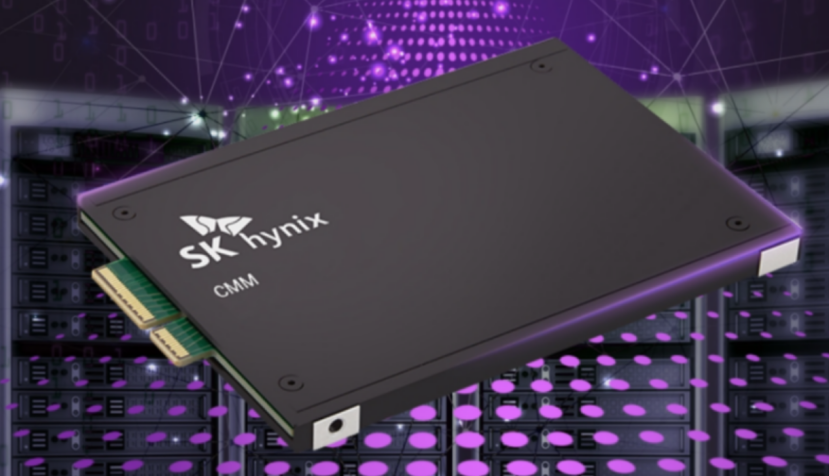
Source: SK Hynix
Helium: The Critical "Lifeline" for Automotive Chips, Supply Shortage Sounds the Alarm
The global helium supply chain was already fragile, and the outbreak of conflict in Iran directly hit a critical node in the supply chain. Data shows that about 30% of the world's helium supply comes from Qatar, which has the world's largest liquefied natural gas plant. However, in March this year, the Qatari Ministry of Foreign Affairs stated that a missile attack had caused "severe damage" to the plant facilities. The state-owned Qatari natural gas company immediately announced that the production suspension would lead to a 14% reduction in helium exports, and that it would take years to repair the facilities, making it difficult to restore capacity in the short term.
Even more concerning is the extremely low supply elasticity of helium, making it difficult to rapidly fill the gap. “There are not many channels globally capable of quickly increasing helium supply, and the related equipment is not readily available,” said Dan Hearsch, Co-Leader of AlixPartners’ Global Automotive and Industrial Practice. The market’s true fear is not the current shortage, but rather when helium shortages will force semiconductor fabs to halt production—potentially triggering a repeat of the 2021 chip crisis that severely disrupted global automobile production.
For the automotive industry, the irreplaceability of helium determines the chain reaction caused by its supply fluctuations. Nowadays, cars are accelerating their transformation toward intelligence and electrification. Core components such as ADAS systems, in-vehicle infotainment systems, and electric vehicle power control modules rely on high-precision semiconductor chips, and helium is an essential "purifier" and "coolant" in the chip manufacturing process. In semiconductor wafer factories, extreme ultraviolet lithography equipment relies on helium to remove dust, water vapor, and other impurities, enabling precise etching of microscopic circuit patterns on silicon wafers. At the same time, helium is also used for cooling the backside of wafers, ensuring the stability of the production process and chip yield.
More importantly, the chemical inertness and small molecular size of helium make it suitable for leak detection in automotive safety airbag generators, fuel tanks, brake systems, and other components, further binding the automotive supply chain's safety, and it is difficult to be effectively replaced by other gases in the short term.
“Helium is an inert gas and hardly reacts with any substances, a property critical to preventing contamination in semiconductor manufacturing,” explained Stephan Keese, Senior Partner at Roland Berger North America. Semiconductor manufacturing demands extremely high helium purity, and if a wafer fab’s helium inventory runs critically low, it may be forced to reduce output or even halt production.
Reuters reported on March 31 that Samsung Electronics and SK Hynix, which supply about two-thirds of the world's chips, have helium inventories that can only last for four to six months; Daniel Heyler, a senior analyst at EFM Asset Management, told CNBC on April 14 that TSMC's helium inventory can roughly support three to six months.
As the world's largest helium producer, the United States could have been a key supplementary force, but its capacity is difficult to release quickly due to limitations in technology and infrastructure. ExxonMobil's Shute Creek facility in Wyoming, USA, can produce semiconductor-grade helium, but its capacity is constrained by container and logistics infrastructure, and not all of the helium produced in the U.S. can achieve the high purity required for chip manufacturing.
More concerning is the high dependence of Asia's chip-manufacturing economies on Qatari helium, with South Korea sourcing approximately 65% of its helium imports from Qatar and Japan importing between 28% and 33% from the country. A disruption in Qatar’s helium supply is now pushing key global semiconductor manufacturing hubs like South Korea and Japan toward a potential production crisis.

Image source: Samsung Electronics
Crisis Transmission: Helium Inventory Crisis—How the Semiconductor Industry Can Break the Impasse
To make matters worse, semiconductor manufacturers are facing a confluence of mounting pressures. The industry had already been significantly impacted by the Trump administration’s tariff policies; the AI boom has further driven up demand for dynamic random-access memory (DRAM), indirectly tightening chip production capacity; meanwhile, automakers’ trend toward consolidating electronic and electrical architectures has reduced the number of hardware components required per vehicle, further squeezing semiconductor suppliers’ profit margins. Now, tightening helium supply is undoubtedly exacerbating an already fragile supply chain.
Analysts generally believe that a complete shutdown of the manufacturing sector in the short term is unlikely, and there is a high probability of avoiding a severe chip shortage like in 2021. However, if the conflict with Iran continues to escalate, the helium supply gap will continue to widen, and the associated risks will gradually spread to the automotive industry.
"The ongoing conflict-induced helium shortage could lead to an increase in wafer defect rates, a corresponding decline in yields, and thus squeeze profits," said Phelix Lee, an equity analyst at Morningstar, in an assessment on March 4. In the worst-case scenario, some wafer fabs might be forced to temporarily halt production, severely impacting the global automotive semiconductor supply chain.
Currently, the industry is closely watching the performance signals of automotive chip manufacturers. Another Morningstar analyst, Brian Colello, said he looks forward to digging for more specific information on the impact of the helium shortage on the industry, starting with the earnings report to be released by Texas Instruments on April 22. For the automotive industry, the helium crisis triggered by the Iran conflict is not just a temporary disturbance in the supply chain, but also a wake-up call - in today's increasingly closely integrated global division of labor, any geopolitical conflict may trigger a chain reaction in global manufacturing through the supply chain of key resources.
From a long-term perspective, the vulnerability of helium supply has prompted the industry to accelerate the search for solutions: on one hand, wafer fabrication plants need to further optimize helium recovery technologies, reducing the helium consumption per chip; on the other hand, countries are also accelerating the development of helium extraction technologies, striving to reduce dependence on a single supply source.
For automotive companies, the most pressing task at present is to closely monitor the dynamics of helium supply, establish a closer collaborative mechanism with semiconductor suppliers, and prepare in advance for inventory management and alternative plans. After all, during the critical period of the automotive industry's intelligent transformation, the stability of chip supply is often more important than short-term cost control. And this helium crisis triggered by the conflict in Iran once again reminds the global manufacturing industry: the security of the supply chain has always been inseparable from the reasonable control and scientific layout of key resources and key links.
【Copyright and Disclaimer】The above information is collected and organized by PlastMatch. The copyright belongs to the original author. This article is reprinted for the purpose of providing more information, and it does not imply that PlastMatch endorses the views expressed in the article or guarantees its accuracy. If there are any errors in the source attribution or if your legitimate rights have been infringed, please contact us, and we will promptly correct or remove the content. If other media, websites, or individuals use the aforementioned content, they must clearly indicate the original source and origin of the work and assume legal responsibility on their own.
Most Popular
-
Continental Plans to Begin Sale of ContiTech in Early 2026
-

$4 Billion! Medtronic Makes Another Acquisition
-

BASF Delivers First Batch of Innovative Cathode Materials for Semi-Solid-State Batteries to Weilan New Energy
-

Why did a century-old european dental instrument giant relocate its manufacturing hub to china?
-
Profit and Revenue Growth Struggle to Conceal Debt Repayment Pressure; Success of Kingfa Sci & Tech's High-End Strategy Yet to Be Seen