



Jec grand prize well deserved! toray partners with airbus to implement thermoplastic composite cross-model recycling, retired a380 scrap transformed into components
At the 2026 JEC Composites Show Awards, an aerospace composite recycling project stood out and won the Innovation Award. The closed-loop recycling technology for thermoplastic composites, jointly developed by Toray and Airbus, has officially set a new global benchmark for the large-scale reuse of end-of-life composite materials across different aircraft models in civil aviation.
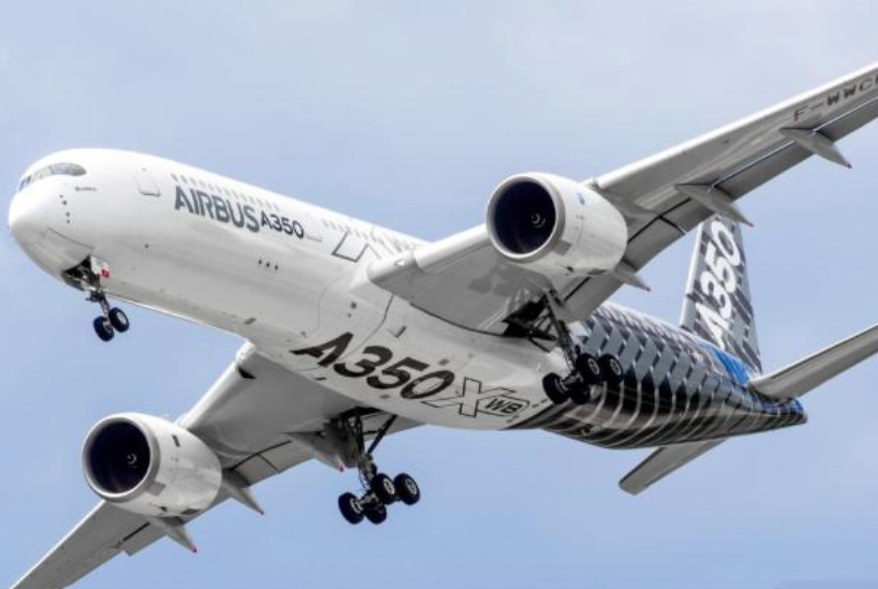
The core highlight of the award-winning project lies in establishing a circular pathway for thermoplastic raw materials across different aircraft models. All base materials used in the project were sourced from retired A380 engine fairings. These fairings were made from Toray TC1100 carbon fiber-reinforced PPS thermoplastic composites and once served as critical aerodynamic structural components on giant civil aircraft. After the aircraft reached the end of its service life and was retired, they would most likely have entered the waste-disposal stream. Thanks to a new recycling process, the scrapped fairings did not become industrial waste. Instead, through a series of closed-loop processing steps including dismantling, sorting, and remolding, the material properties were restored and reengineered, ultimately turning the material into aerospace-grade structural components suitable for the A320neo aircraft.
Unlike thermoset materials, thermoplastic composites have long been regarded by the industry as the preferred route for recycling lightweight aviation materials, thanks to their inherent ability to be repeatedly reheated, remelted, and reshaped. However, there have long been many practical obstacles to achieving large-scale, cross-aircraft-type regeneration. Different civil aircraft models each have their own specifications in structural design, material formulations, and molding standards. Reprocessing retired material removed from a large wide-body aircraft such as the A380 so that it can meet the stringent installation requirements of a narrow-body aircraft like the A320neo places extremely high demands on the entire process chain, including impurity removal from raw materials, resin matrix modification, and carbon fiber damage repair. Previously, the industry was largely limited to small-scale recycling of offcuts from the same aircraft type, and large-scale remanufacturing across different aircraft types had remained difficult to realize.
As a global leader in high-end carbon fiber and thermoplastic composites, Toray, together with Airbus’ decades of engineering experience in aircraft structural manufacturing, has meticulously refined every step from raw material traceability and dismantling standards for retired components to performance characterization of recycled materials. This collaboration has overcome key challenges such as loss control in used carbon fibers and the secondary-melting stability of PPS resins, enabling retired aircraft thermoplastic composites to break free from the industry’s typical downcycling path and achieve same-grade reuse from large commercial aircraft parts to structural components for next-generation production aircraft.
Winning the JEC Annual Circular Innovation Award also confirms the industry value of this recycling solution. JEC awards are widely regarded as a benchmark for technical excellence in the global composites industry, with judging criteria that take into account technological innovation, industrialization potential, and environmental as well as economic benefits. The fact that this project received the award means that the closed-loop recycling of aerospace composites has officially moved from laboratory research to industrial-scale implementation.
Looking across the global civil aviation industry, a wave of aging passenger aircraft retirements is gradually approaching. The large volumes of composite waste generated from the dismantling of old aircraft in the future have long posed an environmental and cost challenge that aviation manufacturers urgently need to address. The implementation of Toray and Airbus’s cross-aircraft recycling process not only reduces the consumption of raw materials required to produce virgin carbon fiber and PPS resin, thereby lowering the raw material production costs of new aircraft components, but also charts a viable path for a circular economy in global aviation composites. Going forward, this recycling model is also expected to be gradually extended and promoted across more aircraft types and more categories of composite materials.
【Copyright and Disclaimer】The above information is collected and organized by PlastMatch. The copyright belongs to the original author. This article is reprinted for the purpose of providing more information, and it does not imply that PlastMatch endorses the views expressed in the article or guarantees its accuracy. If there are any errors in the source attribution or if your legitimate rights have been infringed, please contact us, and we will promptly correct or remove the content. If other media, websites, or individuals use the aforementioned content, they must clearly indicate the original source and origin of the work and assume legal responsibility on their own.
Most Popular
-

Layoffs, Divestments, Plant Closures While Pouring Billions: BASF Undergoes Major Transformation!
-

Ascend Adipic Acid Hit By Force Majeure, Market Expects Supply Resumption In Mid-September
-

Raw Material Supply Shortage! INEOS Phenol Declares Force Majeure on Phenol and Acetone Businesses
-
South Korea initiates anti-dumping investigation against Chinese PVC suspension resin! The target is Tianjin Bohua and Wanhua Chemical. How to break through?
-

Sixth national procurement set to be implemented: A “Reshuffling” Moment for the $10-Billion Medical Device Market