


Middle East Polymer Export Hub Hit in Sudden Attack, Global Supply Chain Sounds Alarm
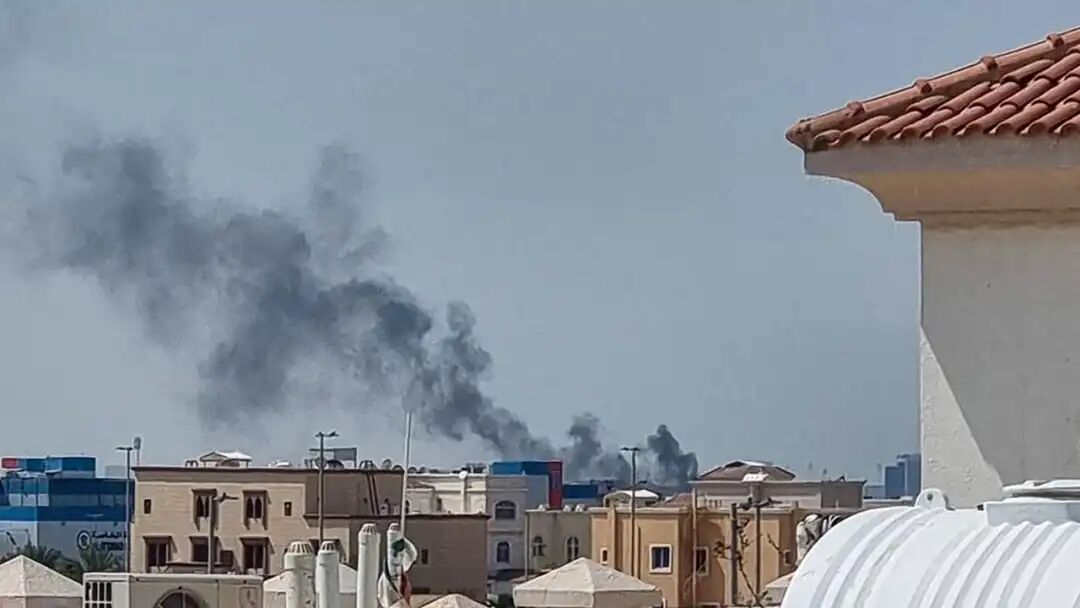
On March 3, 2026, a fire broke out at a key polymer export port in the Middle East—a port handling over 60% of polymer exports from the Gulf region. The “spark” of geopolitical conflict has already begun scorching the global chemical supply chain.
I. Core Incident: Jebel Ali Port Attack, Fire Caused by Interception of Debris
According to global energy and commodities market information provider Argus, a fire triggered by debris from an aerial interception struck a berth at Jebel Ali Port in the UAE.
Reported on March 3, 2026.
Direct cause: The fire was caused by debris generated from the interception, against the background of the U.S. military launching “major combat operations” against Iran after February 28.
On-site situation: The Dubai Civil Defense responded quickly, and the fire did not result in any casualties.
II. Significant Impact: The "Main Artery" of Polymer Exports in the Gulf Region Has Been Damaged
The location of this incident is no trivial matter. Jebel Ali Port is one of the most important polymer logistics hubs in the Middle East.
The port handles about 65% of the Gulf Cooperation Council (GCC) polymer exports and 33% of the region's total petrochemical product exports.
Global Share: The Middle East has a polyethylene (PE) production capacity of over 23 million tons per year, accounting for approximately 15% of the global total; its polypropylene (PP) production capacity exceeds 10 million tons per year, representing about 9% of the global total.
Among them, Saudi Arabia's production capacity accounts for about half of the Middle East, reaching 10.5 million tons/year (the Jubail plant accounts for 7.3 million tons/year); Iran has slightly more than 5 million tons/year of PE production capacity. Disruption in port operations means that nearly one-tenth of the global polyolefin supply chain faces a direct threat.
Chain Reaction: Multiple Ports in the Region Attacked Simultaneously, Operations Disrupted
The impact of the conflict is not an isolated case, as other ports in the region have also been affected.
Duqm Port in Oman: Hit by two drones, injuring one worker.
Kuwait's Shuaiba Port: Suspended operations as a precaution on Saturday (after February 28) due to debris from an unidentified aerial object falling nearby.
The continuous damage to key export nodes in the region has further exacerbated supply chain tensions and uncertainties.
Although the fire at Jebel Ali Port did not result in significant casualties, its symbolic and practical impact is extremely far-reaching. It marks that the ongoing geopolitical conflicts in the Middle East have begun to substantially affect the supply of key raw materials for global commodities and manufacturing. Customers in the global plastic resins and chemical downstream industries need to closely monitor the subsequent recovery of logistics in the region and prepare for potential supply shortages and price fluctuations.
【Copyright and Disclaimer】The above information is collected and organized by PlastMatch. The copyright belongs to the original author. This article is reprinted for the purpose of providing more information, and it does not imply that PlastMatch endorses the views expressed in the article or guarantees its accuracy. If there are any errors in the source attribution or if your legitimate rights have been infringed, please contact us, and we will promptly correct or remove the content. If other media, websites, or individuals use the aforementioned content, they must clearly indicate the original source and origin of the work and assume legal responsibility on their own.
Most Popular
-

Continental Plans to Begin Sale of ContiTech in Early 2026
-

$4 Billion! Medtronic Makes Another Acquisition
-

BASF Delivers First Batch of Innovative Cathode Materials for Semi-Solid-State Batteries to Weilan New Energy
-
Profit and Revenue Growth Struggle to Conceal Debt Repayment Pressure; Success of Kingfa Sci & Tech's High-End Strategy Yet to Be Seen
-

Why did a century-old european dental instrument giant relocate its manufacturing hub to china?