



Adapting Heat Shrink Labels to The Recycling System in Response to The European Union (EU) Packaging Recycling Regulations
Shrink-sleeve labels can create eye-catching visual effects on packaging surfaces while clearly presenting key product information and promotional messages. These labels feature vibrant colors, superior print quality, and durable surfaces; they not only help products stand out on the shelf but also meet various information-display needs. Some styles also offer light-blocking and UV protection.
If the material selection and specifications are designed appropriately, heat shrink labels are easier to peel off, which can reduce impurity contamination in recycled materials and facilitate efficient and clean recycling of packaging. With the introduction of the EU Packaging and Packaging Waste Regulation (PPWR) and its mandatory requirements and deadlines, it has become increasingly important for brands to adopt recyclable design in their packaging.
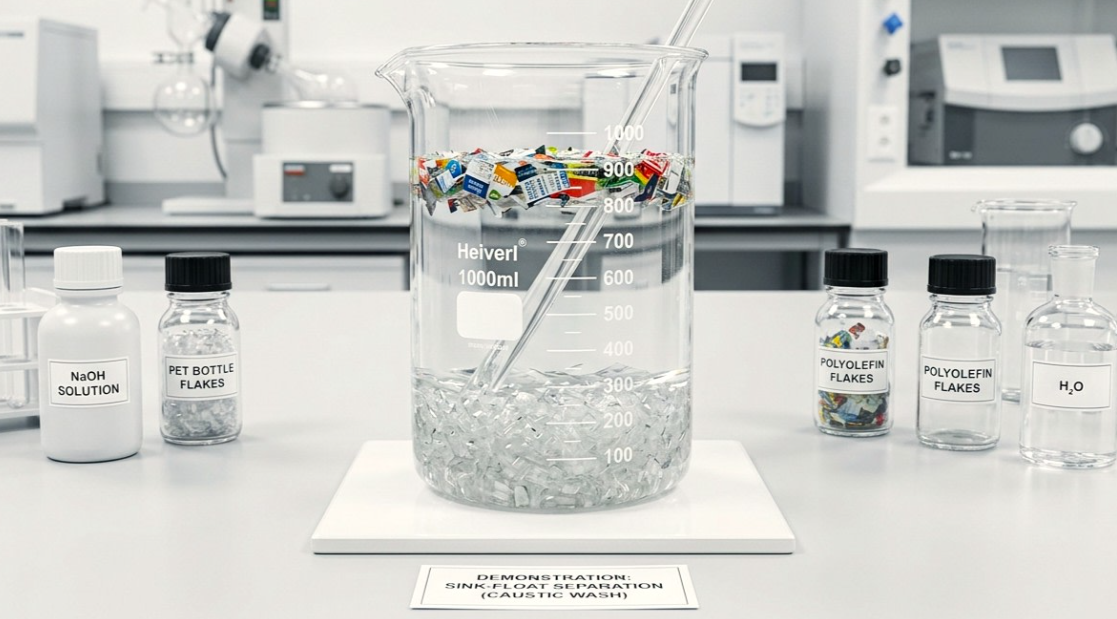
Recyclable design
For FMCG manufacturers, recyclable design guidelines require that packaging components be compatible with existing recycling systems, free of residual substances, and capable of being thoroughly separated during processes such as air classification and sink-float washing. Selecting heat shrink film made from compliant materials can help companies meet relevant recycling standards while ensuring excellent packaging performance.
Shrink sleeves are a glue-free decorating solution: all inks and graphics are printed directly on the film rather than being adhered to the container surface with adhesive. This feature offers significant advantages during recycling: it eliminates adhesive residue, reduces contamination risks from inks, and improves the purity of recycled material. After the sleeve is removed, the original packaging surface can remain clean.
However, heat-shrink sleeve labels made from different materials vary significantly in their performance during the recycling process, and their recyclability depends on raw material selection, printing processes, and overall design. If the bottle body and sleeve label are made of the same material, their similar densities make effective separation difficult, which can easily contaminate the recycled material.
Plan lifecycle recycling from the source.
To achieve good recyclability, the heat shrink film substrate and container material must be carefully matched to ensure that the label can be accurately identified and smoothly removed during sorting and washing. If material selection and design are not properly coordinated at the outset, the heat shrink film may cause equipment recognition failures, incomplete separation, or contamination of the recycled material, ultimately rendering the entire packaging system unrecyclable.
Therefore, when selecting and designing labels, the recycling stage at the end of the product lifecycle should be considered in advance. Masterpress is a Polish specialist in packaging and label production, and also a deep R&D partner to major brand owners. The company focuses on creating high-quality packaging and decorative solutions for fast-moving consumer goods brands. Its products include heat-shrink sleeves, flexible packaging, and various types of labels, enhancing brand visual impact while also meeting technical standards such as recyclability and sustainability.
【Copyright and Disclaimer】This article is the property of PlastMatch. For business cooperation, media interviews, article reprints, or suggestions, please call the PlastMatch customer service hotline at +86-18030158354 or via email at service@zhuansushijie.com. The information and data provided by PlastMatch are for reference only and do not constitute direct advice for client decision-making. Any decisions made by clients based on such information and data, and all resulting direct or indirect losses and legal consequences, shall be borne by the clients themselves and are unrelated to PlastMatch. Unauthorized reprinting is strictly prohibited.
Most Popular
-

Layoffs, Divestments, Plant Closures While Pouring Billions: BASF Undergoes Major Transformation!
-
Ascend Adipic Acid Hit By Force Majeure, Market Expects Supply Resumption In Mid-September
-

Raw Material Supply Shortage! INEOS Phenol Declares Force Majeure on Phenol and Acetone Businesses
-
South Korea initiates anti-dumping investigation against Chinese PVC suspension resin! The target is Tianjin Bohua and Wanhua Chemical. How to break through?
-

Sixth national procurement set to be implemented: A “Reshuffling” Moment for the $10-Billion Medical Device Market