



Anta Considers Acquiring Puma, Li Ning and Asics Also Express Interest in Acquisition
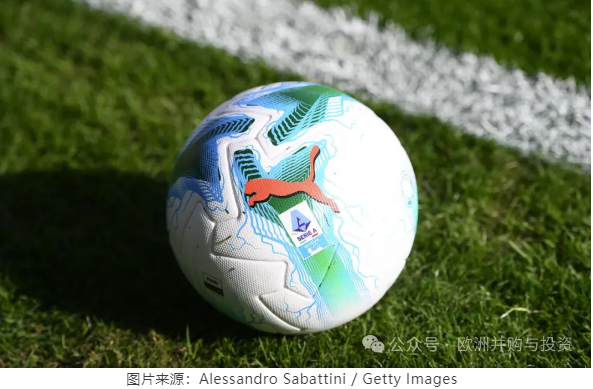
The struggling sportswear manufacturer Puma has long been seen as a potential acquisition target. Recently, a media report has reignited acquisition speculation, pushing Puma's stock price up 14% in morning trading on the German MDax index. According to media reports, China's Anta Sports, which already owns the sports brand Fila and outdoor specialist Jack Wolfskin, is considering making a takeover bid for Puma. Anta is working with advisors and may partner with a private equity firm if it decides to make an offer. Anta Sports is currently the world's third-largest sportswear manufacturer, behind Nike and Adidas, with projected annual sales of about €9 billion in 2024, surpassing Puma's €8.82 billion. However, the market capitalizations of the two companies are vastly different, with Anta Sports currently valued at approximately €25.6 billion, while Puma is valued at about €2.5 billion. From a financial perspective, the acquisition seems feasible.
Not only has Anta taken action, but Anta's competitor, Li Ning of China and Japanese sports goods manufacturer Asics, have also shown interest. Therefore, the biggest obstacle to the acquisition offer may be the valuation expectations of the French billionaire Pinault family, which holds just over 30% of Puma's shares. As early as August, it was reported in the media that the Pinault family was considering selling its shares. In September, François-Henri Pinault, head of the family consortium, described Puma shares as "interesting" but "non-strategic." He stated that he wants to keep all options open regarding the shares. Since then, there has been ongoing speculation about acquisition offers for Puma. Anta and Li Ning have been mentioned as potential buyers. Additionally, the Pinault family has also tested the interest of American sports goods manufacturers and Middle Eastern sovereign wealth funds.
Puma is currently facing a severe crisis. This year, its stock price has fallen nearly 60%. Since reaching a peak of just above 115 euros four years ago, the loss has approached 85%. Due to the plummeting stock price, Puma's market value is now only about 2.5 billion euros. Puma is trying to turn the situation around, officially calling it a "reset phase." The new CEO, Arthur Hoeld, has launched a restructuring plan. In the future, Puma will focus more on "authentic sports," including football, running, and training. At the same time, the company hopes to develop fashion leadership and a high-end positioning. Reducing product variety, focusing more on direct business with consumers, targeted marketing, and cost reduction are part of the plan. Additionally, further layoffs will occur. In the short term, this will burden performance, but in the medium term, it will lay the foundation for business recovery. The new strategy is expected to take effect by 2027 at the latest, allowing Puma to return to profitability.
Despite ongoing speculation about a potential acquisition, Puma's stock price recently stood at €19, only slightly above the multi-year low of €15.30 reached a few days ago. Additionally, many speculators are currently betting against Puma's stock price through so-called short selling, predicting further declines. However, the emergence of new acquisition rumors could catch a large number of pessimists betting on a further drop off guard. As a result, media reports might lead to a so-called "short squeeze," potentially causing the stock price to surge significantly. If the stock price were to suddenly rise sharply, those speculators betting on a price decline might feel pressured and be forced to buy shares.
Puma, which had long ranked as the third-largest global sportswear company with a sales revenue of 8.8 billion euros, just behind Nike and Adidas, was surpassed in 2024 by Canadian fitness and yoga apparel manufacturer Lululemon, which achieved a sales revenue of 9.2 billion euros. Additionally, Skechers, with a sales revenue of 8.3 billion euros, and New Balance, with 7.2 billion euros, may soon surpass Puma as well. Their sales are increasing, while Puma's sales have been continuously declining.
Puma should seize the opportunity in China, which could ultimately become a factor for Puma's success once again. In recent years, the growth rate of the Chinese sports goods market has exceeded that of the global market. According to market research company Ken Research, the sports apparel segment alone is expected to grow by about 10% annually by 2030. This is good news for the entire industry, but Puma has hardly benefited from it. The company is currently in crisis: multiple profit warnings, forecast revisions, and management changes have all impacted its stock price.
In the vast market of China, Puma also faces some internal challenges. It wasn't until January 2011 that Puma began to operate independently in China; at that time, Puma acquired the remaining 49% stake in its joint venture, Liberty China Holding Ltd. The then CEO of Puma, Jochen Zeitz, acknowledged that in China, "other competitors came earlier and faster." Moreover, Puma not only arrived late but also its positioning in the Chinese market is questionable: Puma is still primarily viewed as a lifestyle and fashion brand in China, rather than as a sports brand.
According to different data sources, Nike or Anta Sports is the leader in the sports brand market in China, with Adidas and Li Ning ranking third and fourth respectively. Puma's market share may be less than 5%. In China's unique ecosystem, local manufacturers can undoubtedly respond more quickly and specifically to local trends with their own factories and channels. Anta should have a better understanding of where sports brands like Puma should showcase themselves on which activities and platforms, as well as who they need to collaborate with to establish credibility. In 2019, Anta acquired Western brands such as Arc'teryx, Salomon, and Wilson from Finland's Amer Sports, and has already demonstrated this point with these brands.
Conversely, Anta still faces challenges in expanding its influence outside of China. Aside from a few individual cases, such as sponsoring NBA professional players, Anta has very little to show for its efforts in the West. Therefore, acquiring a Germany-based sports brand would be a natural addition to Anta's product portfolio, representing a great opportunity for both parties.
【Copyright and Disclaimer】The above information is collected and organized by PlastMatch. The copyright belongs to the original author. This article is reprinted for the purpose of providing more information, and it does not imply that PlastMatch endorses the views expressed in the article or guarantees its accuracy. If there are any errors in the source attribution or if your legitimate rights have been infringed, please contact us, and we will promptly correct or remove the content. If other media, websites, or individuals use the aforementioned content, they must clearly indicate the original source and origin of the work and assume legal responsibility on their own.
Most Popular
-

Key Players: The 10 Most Critical Publicly Listed Companies in Solid-State Battery Raw Materials
-

Vioneo Abandons €1.5 Billion Antwerp Project, First Commercial Green Polyolefin Plant Relocates to China
-

EU Changes ELV Regulation Again: Recycled Plastic Content Dispute and Exclusion of Bio-Based Plastics
-
Clariant's CATOFIN™ Catalyst and CLARITY™ Platform Drive Dual-Engine Performance
-
List Released! Mexico Announces 50% Tariff On 1,371 China Product Categories