



Application Of Heat Stabilizer In Nylon
Nylon is a common engineering plastic.It has long been widely integrated into our daily lives.

The moment you wake up in the morning and brush your teeth.,The nylon bristles of the toothbrush have quietly completed an intimate contact with you.

A cup of coffee,Start an efficient day. The internal water circuit, electrical circuit, grinding, brewing, and heating systems of the coffee machine operate steadily under the support of high-performance nylon, silently preparing your first latte of the day.

In a hurry, I went out the door and put on my windbreaker.,Put on a backpack—whether shielding you from wind and rain or carrying the weight of life, nylon has long been part of your everyday life, providing reliable protection and support.


Open the car door and start the car.,Head toward poetry and the distant horizon. Whether in new energy vehicles or gasoline-powered cars, nylon is widely used in thousands of key components, safeguarding the comfort, safety, and reliability of every journey in places you cannot see.

Arrive at the company on time and open the laptop.,Powering a full day of high-intensity work. From power management to mechanical structures, from data transmission to high-performance computing, from quiet operation to efficient heat dissipation, nylon has long been deeply integrated into a wide range of electronic devices, providing a stable and reliable hardware foundation for demanding work rhythms.

At the end of a busy day,After dragging a weary body back to the warmth of home, it’s time to work up a sweat and unwind. Put on your sneakers, grab your tennis racket, and head to the tennis court to sweat it out, release stress, and wake up your body’s vitality. From shoe materials and racket strings to functional fabrics, nylon also provides lightweight performance, durability, and comfort in sports and leisure settings.
Nylon has already integrated into all aspects of our lives, and Bikang Chemical has always been by its side, safeguarding its performance and lasting stability.
However, from the perspective of materials science,Oxidation and degradation of polymers are ubiquitous.
Whether in darkness or in sunlight;
In cold environments or under high-temperature operating conditions.
A completely “inert” polymer does not technically exist.
Impurities, catalytic residues, structural defects, and external energy (light, heat, mechanical stress) can all induce oxidation reactions.
In this process, various degradation products are generated, such as peroxides, peracids, alcohols, ketones, aldehydes, and acids. Therefore, effective stabilization of nylon is an essential step in the research, development, and production of nylon.
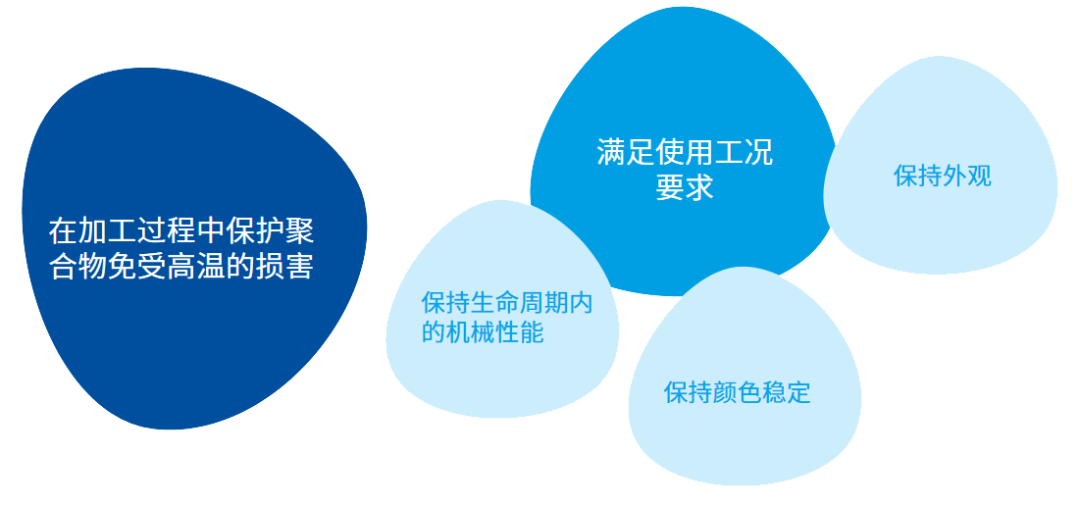
BYK Chemistry provides systematic light stabilizer solutions for various nylon materials, offering robust protection for material performance during processing, use, and throughout the product life cycle.
Chemistry class is starting.
If you don’t understand, quickly flip through your old chemistry textbook.
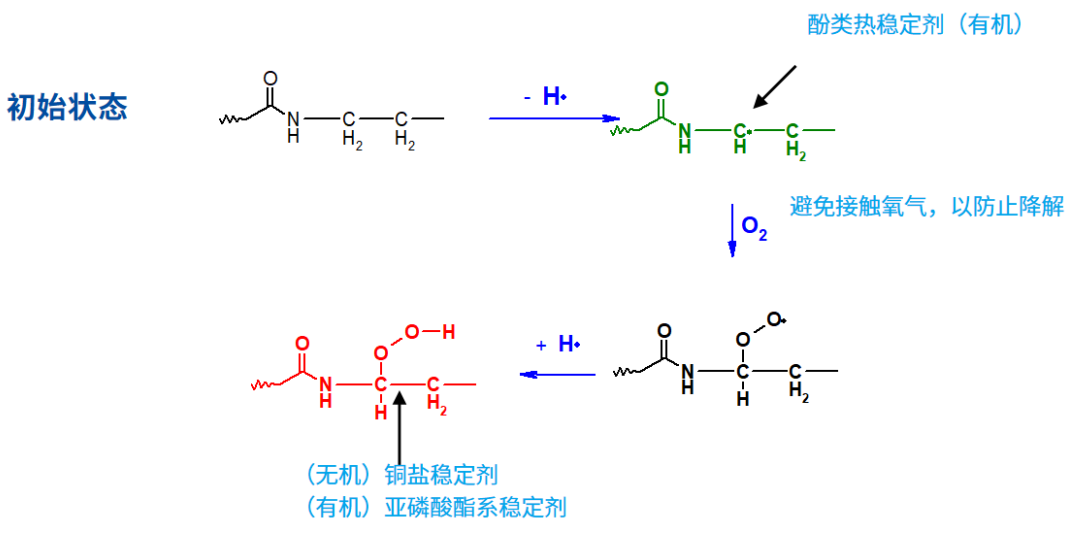
Mechanism of Action of Heat Stabilizers
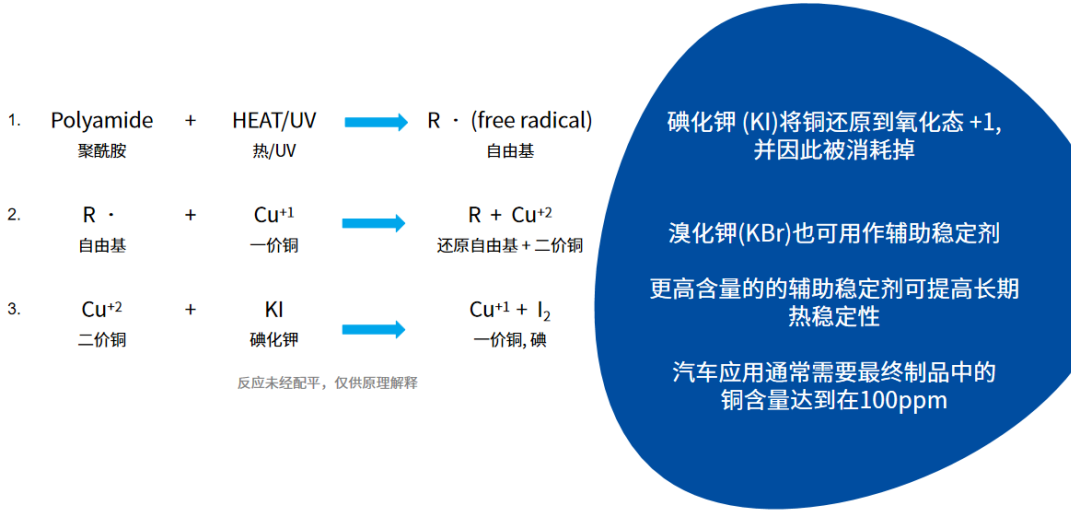
Working mechanism of inorganic heat stabilizers
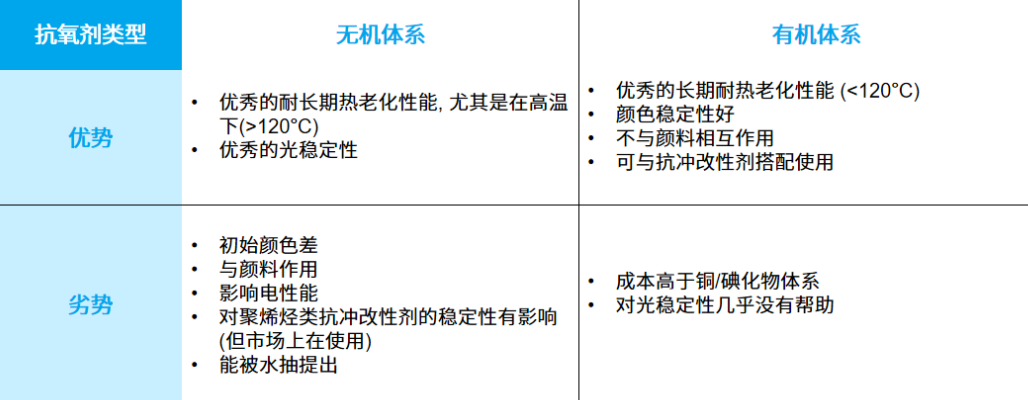
Inorganic thermal stabilizers vs. organic thermal stabilizers
Bikang Chemical Nylon Thermal Stabilizer
Bick Chemical has a mature and comprehensive nylon heat stabilizer product line that can meet customers’ diverse needs in terms of heat resistance temperature, heat resistance time, mechanical properties, and color stability.
Performance Comparison of Inorganic Heat Stabilizers
BYK-MAX HS Product Series
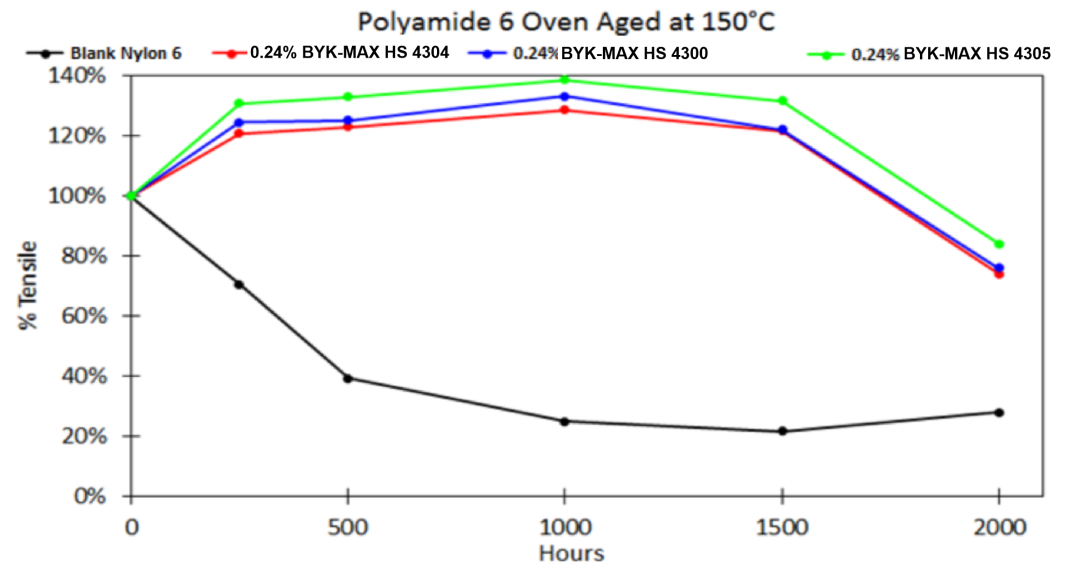
Excellent high-temperature thermal stability, suitable for harsh operating environments
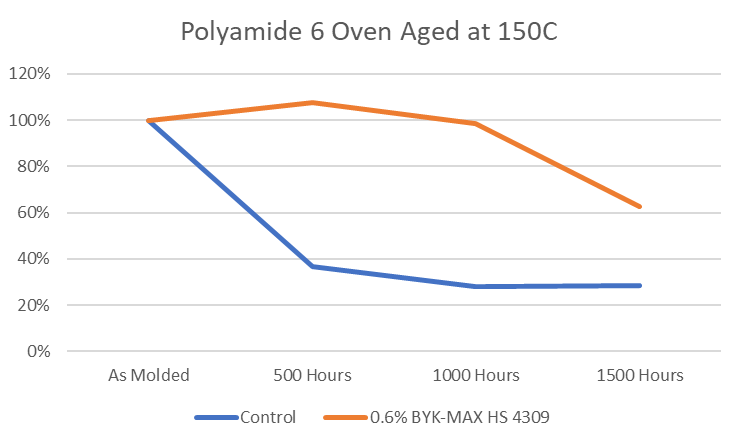
High tensile property retention: can be maintained for 2,000 hours at 150°C (PA6) and for 500 hours at 180°C (GF PPA)
The recommended copper particle content for automotive applications is: 100 ppm.
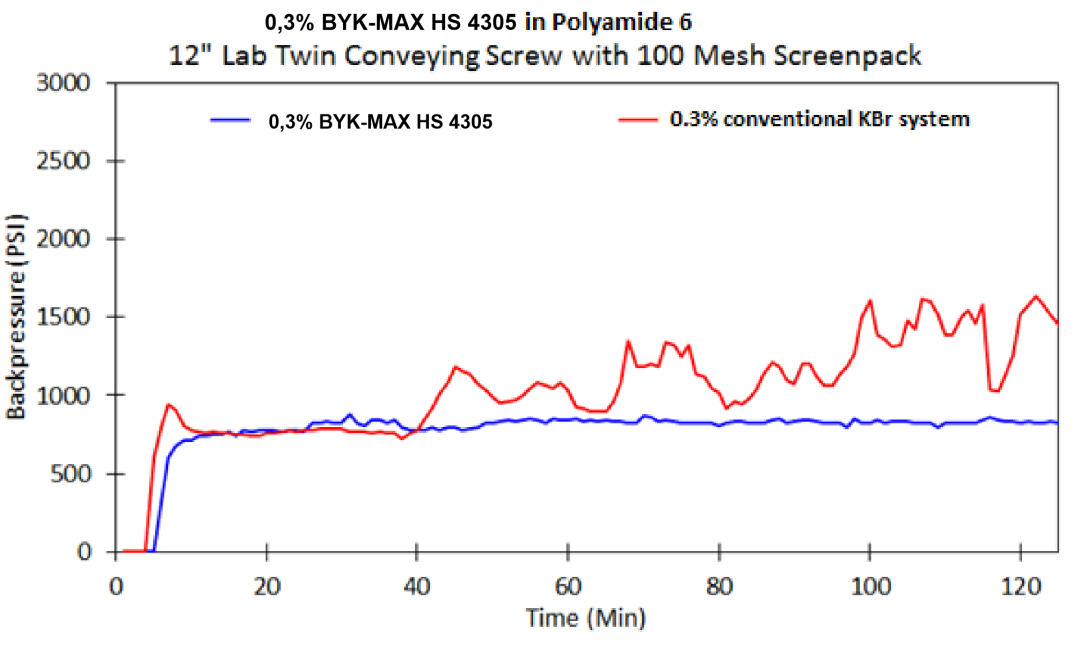
Possess betterDispersibilityPotassium bromide system heat stabilizer
BYK-MAX HS 4305
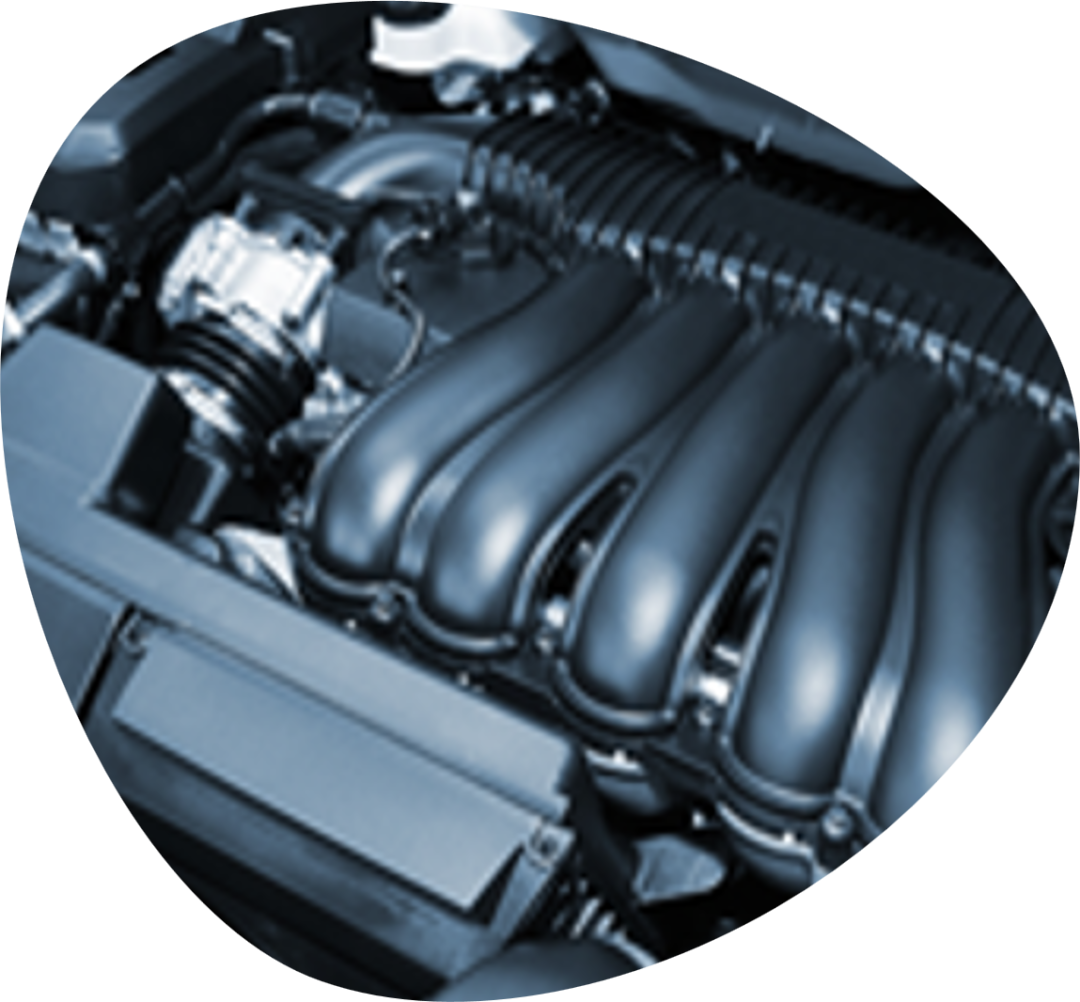
Combines excellent thermal stability, outstanding dispersibility and processability, imparting better appearance quality to the finished products.
Suitable for automotive, wire and cable, fiber, and film applications.
Copper-free organic heat stabilizer system
BYK Organic Stabilizer System
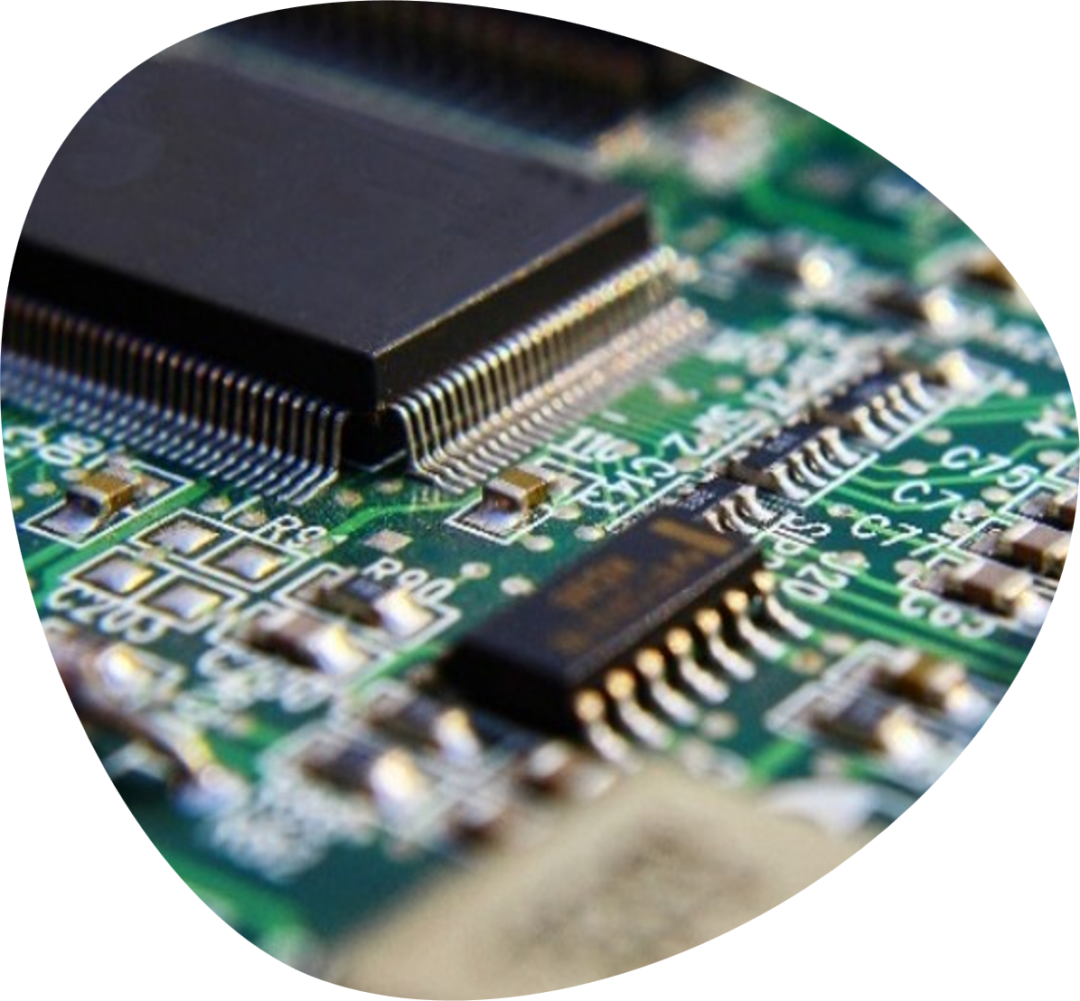
Low conductivity, excellent long-term thermal stability, up to 6000 hours at 120°C or up to 400 hours at 150°C.
Suitable for electrical and electronic applications
The organic stabilizer system is free of copper and halogens.
【Copyright and Disclaimer】The above information is collected and organized by PlastMatch. The copyright belongs to the original author. This article is reprinted for the purpose of providing more information, and it does not imply that PlastMatch endorses the views expressed in the article or guarantees its accuracy. If there are any errors in the source attribution or if your legitimate rights have been infringed, please contact us, and we will promptly correct or remove the content. If other media, websites, or individuals use the aforementioned content, they must clearly indicate the original source and origin of the work and assume legal responsibility on their own.
Most Popular
-

Layoffs, Divestments, Plant Closures While Pouring Billions: BASF Undergoes Major Transformation!
-
Ascend Adipic Acid Hit By Force Majeure, Market Expects Supply Resumption In Mid-September
-

Raw Material Supply Shortage! INEOS Phenol Declares Force Majeure on Phenol and Acetone Businesses
-
South Korea initiates anti-dumping investigation against Chinese PVC suspension resin! The target is Tianjin Bohua and Wanhua Chemical. How to break through?
-

Sixth national procurement set to be implemented: A “Reshuffling” Moment for the $10-Billion Medical Device Market