



BMW Sets New Mid-Term Carbon Emission Target
According to foreign media reports, on December 2, German automaker BMW announced plans to reduce its carbon dioxide emissions by at least 60 million tons compared to 2019 levels by 2035. This move is part of its newly added interim reduction goals within the framework of its long-term objective to achieve net-zero carbon emissions by 2050.
BMW stated that this new target covers all drive forms throughout the entire lifecycle of its vehicles, adding approximately 20 million tons of carbon dioxide reduction compared to its original 2030 reduction goal.
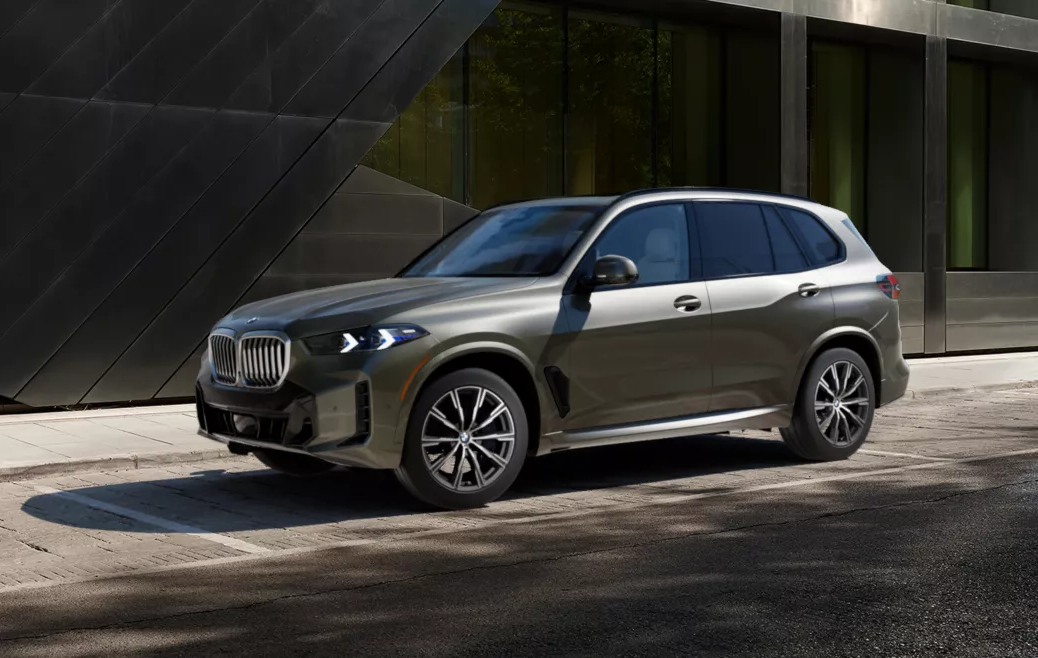
Image source: BMW
To achieve this emission reduction target encompassing all stages including vehicle design, raw material procurement, production, and usage, BMW stated that it will further increase the proportion of renewable energy used in manufacturing, supply chain, products, and related processes, and expand the share of electric models in its product lineup. The company also mentioned it will increase the application ratio of secondary raw materials, improve the energy efficiency of various subsystems of the vehicle, and promote innovation in products and process flows. BMW will also continue to optimize the overall performance of its fuel, hybrid, and purely electric models.
The company is focusing on high-carbon emission components such as high-voltage batteries, aluminum, and steel, and plans to apply its sixth-generation battery technology (Gen6) to reduce the embedded carbon emissions of its products.
In the production sector, BMW stated that since 2020, it has achieved 100% procurement of renewable energy electricity from external suppliers and is currently phasing out fossil fuels. The company's new plant in Debrecen, Hungary, will become its first production base that completely does not use oil or natural gas in regular operations.
During the vehicle usage phase, BMW is implementing several efficiency improvement measures through its EfficientDynamics technology solutions. Taking the upcoming BMW all-electric SUV model iX3 as an example, the energy consumption under WLTP combined conditions can be reduced by up to 20% compared to the previous generation.
However, BMW also pointed out that achieving its emissions reduction targets for 2035 still relies on developments in external fields, including the transition of the steel industry to low-carbon production models, the expansion of charging infrastructure, the improvement of the circular economy system, and breakthroughs in battery technology. To this end, the company is continuously increasing its investments in these areas through independent battery research and development and initiatives related to the circular economy.
【Copyright and Disclaimer】The above information is collected and organized by PlastMatch. The copyright belongs to the original author. This article is reprinted for the purpose of providing more information, and it does not imply that PlastMatch endorses the views expressed in the article or guarantees its accuracy. If there are any errors in the source attribution or if your legitimate rights have been infringed, please contact us, and we will promptly correct or remove the content. If other media, websites, or individuals use the aforementioned content, they must clearly indicate the original source and origin of the work and assume legal responsibility on their own.
Most Popular
-
Dow, Wanhua, Huntsman Intensively Raise Prices! Who Controls the Global MDI Prices?
-
Clariant Unveils Cost-Cutting Plan Details, Plans to Shut Down Multiple Plants
-
[Today's Plastics Market] General Materials Weakly Fluctuate, Engineering Materials Steadily Rise
-

New Breakthrough in Domestic Adiponitrile! Observing the Rise of China's Nylon Industry Chain from Tianchen Qixiang's Production
-

Daily Review: Polyethylene Prices Under Weak Consolidation, Sellers Face Significant Pressure to Move Inventory