



In-Depth Analysis: The All-Dimensional Development Path and Practical Exploration of Intelligent Transformation in the Petrochemical Industry
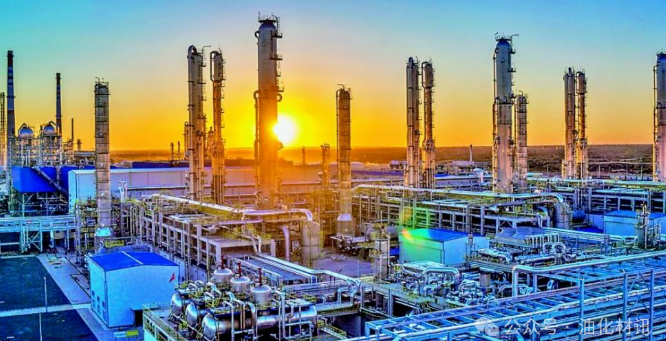
As a pillar industry of the national economy, the petrochemical industry bears the important mission of ensuring energy security and supporting high-end manufacturing. However, it also possesses typical characteristics such as continuous process, high-risk production conditions (high temperature, high pressure, toxic and harmful substances), high energy and material consumption, and a long and complex industrial chain. Under the dual background of the deep advancement of the "dual carbon" goals and the accelerated penetration of the digital economy, the traditional development model relying on resource input and scale expansion is no longer sustainable. Intelligent transformation has become an inevitable choice for the petrochemical industry to overcome development bottlenecks such as overcapacity, safety management pressure, and tightening environmental constraints, and to enhance core competitiveness. From the top-level design of macro policies to the technological iteration of micro-equipment, and from the digital transformation of individual enterprises to the collaborative intelligence of the entire industry chain, the petrochemical industry is undergoing a profound transformation that covers all dimensions of production, operation, management, and service, stepping into a new stage of intelligent development driven by data and supported by technology. This article will delve into the development path, core breakthroughs, and future trends of intelligent transformation in the petrochemical industry, focusing on nine core dimensions and combining the latest policy directions, cutting-edge technology applications, and best practices of benchmark enterprises.
I. Macroeconomic Policies and Industry Trends: Top-Level Guidance for the Intelligent Development of the Petrochemical Industry during the 14th Five-Year Plan Period
The precise guidance and systematic layout of macro policies are crucial guarantees for the orderly advancement and efficient implementation of the intelligent transformation in the petrochemical industry. Reflecting on the "14th Five-Year Plan" period, the national level has established a multi-tiered policy support system. In addition to the "14th Five-Year Plan for the Development of the Raw Materials Industry" and the "Guiding Opinions on Accelerating Digital Transformation in the Industrial Sector," documents such as the "14th Five-Year Plan for Intelligent Manufacturing Development" and the "Guiding Opinions on High-Quality Development of the Petrochemical and Chemical Industry" further detail the specific goals and implementation paths for the intelligent transformation of the petrochemical industry. These documents clearly propose that by 2025, a number of intelligent manufacturing demonstration factories should be cultivated, a number of intelligent chemical parks should be built, the enabling effect of industrial internet platforms should be significant, and the intelligent rate of core process equipment should reach over 70%. These policies not only guide the industry's transformation direction but also stimulate enterprises' enthusiasm for transformation through specific measures such as special subsidies, pilot demonstrations, and standard setting. As we enter the critical transition period for the compilation and implementation of the "15th Five-Year Plan," the policy direction for intelligent development in the petrochemical industry is becoming clearer and more focused, showing a deepening trend from "single-point breakthroughs" to "systematic promotion" and from "technology empowerment" to "ecosystem construction."
During the "15th Five-Year Plan" period, the core focus of the petrochemical industry's path to intelligent development revolves around three strategic directions, forming a "trinity" promotion system for industry transformation: Firstly, anchoring on the dual goals of being green, low-carbon, safe, and efficient, promoting deep integration of intelligence and greenness. Policies will focus on guiding enterprises to use digital means to solve problems related to energy-saving and carbon reduction as well as environmental management. This includes reducing energy consumption per unit product through full-process energy consumption monitoring and intelligent optimization systems, achieving full lifecycle traceability and precise management of pollutant emissions via digital environmental control platforms, and promoting the digital operation and maintenance of CCUS (Carbon Capture, Utilization, and Storage) projects. Secondly, reinforcing industrial chain collaborative intelligence by breaking down data barriers within enterprises and across various segments of the industrial chain. Policies will encourage the establishment of cross-enterprise and cross-regional industrial internet platforms for the petrochemical industry, promoting data sharing across the entire chain, including crude oil procurement, production planning, logistics, product sales, and recycling. This will build a digital ecosystem for the entire industrial chain, enhancing the stability and risk resistance of the supply chain. Thirdly, enhancing the capability for independent control of core technologies to overcome bottlenecks in "chokepoint" technologies. Policies will increase research and development support for key technologies such as industrial internet platforms, digital twins, large models of artificial intelligence, and high-end intelligent sensors, promoting the domestic substitution of core technologies and equipment, reducing dependence on foreign technologies, and ensuring the independent controllability of the industry's intelligent transformation. Against this backdrop, enterprises within the industry will accelerate their shift from single-point intelligent transformation to comprehensive, full-lifecycle intelligent upgrades. The dual drivers of policy benefits and market demand will further activate the vitality of intelligent development in the industry. By the end of the "15th Five-Year Plan," the overall level of intelligence in the petrochemical industry is expected to achieve qualitative leaps, forming a batch of internationally competitive intelligent benchmark enterprises and industrial clusters.
II. Digital and Intelligent Transformation: New Trends in Industry Development and Enterprise Practice Landscape
Digital Transformation Development Trends
Currently, the digital transformation of the petrochemical industry has moved beyond the initial exploration stage and entered a critical period of large-scale advancement and in-depth application, presenting three significant stage trends that profoundly reshape the industry's development model: First, the leap from "partial digitalization" to "comprehensive digitalization." In the early stages, digital transformation in enterprises focused mostly on automation in production processes, such as the widespread application of DCS (Distributed Control Systems). However, the current transformation has extended to the entire chain of R&D, design, construction, operation, sales, and maintenance, achieving digital coverage of all business processes. For example, virtual simulation in the R&D phase, digital modeling in the design phase, intelligent construction in the building phase, and predictive maintenance in the maintenance phase have formed a comprehensive digital system. Second, the shift from "digital empowerment" to "intelligent-driven transformation." The core of the digital stage is to achieve process automation and data collection and aggregation, while the intelligent stage relies on technologies such as artificial intelligence and big data to realize autonomous decision-making and intelligent optimization in production operations. For example, AI algorithms automatically optimize refining parameters, and big data analysis achieves accurate market demand forecasting and dynamic production plan adjustments, shifting from "passive response" to "proactive anticipation." Third, the extension from "intra-enterprise digitalization" to "industry chain digitalization." The digital transformation of a single enterprise is no longer sufficient to meet the needs of high-quality industry development. Achieving data sharing, collaborative production, and resource optimization across upstream and downstream enterprises through industrial internet platforms has become a trend. For instance, refining enterprises share production plan data with crude oil suppliers to achieve precise matching of crude oil supply; collaborate with logistics companies for real-time optimization of transportation routes; and work with downstream chemical companies to collaboratively develop new products, shortening market response times. These three trends intertwine to drive the petrochemical industry from traditional manufacturing to digitally-driven intelligent manufacturing.
(B) Practices and Typical Cases of Enterprise Digital Transformation
Major domestic petrochemical companies have been actively pursuing digital transformation, resulting in a series of replicable and promotable practices that cover the entire industry chain, including upstream oil and gas exploration and development, midstream refining and production, and downstream product sales. As an industry leader, Sinopec has established the "Sinopec Industrial Internet Platform (Sinopec iPaaS)," which connects over 100 refining enterprises and more than 20,000 critical production equipment units under its umbrella. The platform integrates multi-dimensional data exceeding 100TB, including production, equipment, logistics, and safety, and builds multi-scenario data analysis models to achieve core functions such as production process optimization, predictive maintenance of equipment, and safety risk warnings. Notably, Sinopec Zhenhai Refining & Chemical has developed an "Intelligent Refining Integrated Operation System" based on this platform, achieving significant results such as a 3% reduction in device energy consumption, a 20% decrease in equipment downtime due to faults, and a 0.5 percentage point increase in product yield, with annual additional economic benefits exceeding 200 million yuan. Meanwhile, PetroChina is focusing on the digital transformation of the upstream oil and gas exploration and development sector by creating a "Digital Oilfield" system. This system deploys more than ten thousand intelligent sensors in oil and gas fields and combines seismic data interpretation AI models and drilling parameter optimization algorithms to achieve digital control over the entire exploration and development process. For example, PetroChina Changqing Oilfield has utilized the "Digital Oilfield" system to optimize drilling plans through big data analysis, resulting in over a 15% improvement in drilling efficiency and a reduction in single well exploration costs by 800,000 yuan, effectively addressing the challenges of low efficiency and high costs in the development of low-permeability oil and gas fields.
Private petrochemical enterprises, leveraging the advantages of flexible mechanisms and efficient decision-making, also demonstrate strong transformation momentum, particularly evident in the digital transformation achievements within the field of refining and chemical integration. Hengli Petrochemical has advanced full-process digital transformation at its Dalian 20 million tons/year refining and chemical integration base, building the "Smart Hengli" digital management system that encompasses production, safety, environmental protection, and logistics. This system, centered around an industrial internet platform, integrates data from over 30 business systems and more than 100,000 sets of intelligent equipment, driving dynamic optimization of production load, intelligent scheduling of the supply chain, and real-time monitoring of environmental indicators through data-driven approaches. The intelligent optimization system in the production phase can automatically adjust device operation parameters according to changes in crude oil quality and market demand, raising the product qualification rate to 99.8%. The intelligent scheduling platform in the logistics phase has achieved full-process visual control of crude oil unloading and product transportation, reducing logistics costs by 12%. Wanhua Chemical, focusing on "smart manufacturing," targets the digital transformation of high-end chemical product research and production, establishing a digital research platform and smart production workshops. The digital research platform utilizes virtual simulation technology and AI-driven molecular design models to quickly screen optimal synthesis paths, shortening the new product development cycle by over 40%. For example, the development cycle of its high-end MDI products has been reduced from the traditional 3 years to 1.8 years, effectively enhancing market responsiveness. The smart production workshop, through the deployment of intelligent detection equipment and advanced process control systems (APC), achieves precise control of product quality throughout the process, increasing the proportion of high-end products to over 65%.
3. Smart Factory: Comprehensive Intelligent Upgrade Driven by Digital Twins
The smart factory is the core carrier for the intelligent transformation of the petrochemical industry and is the key means to achieve efficient production, refined operation, and safe and green practices. Digital twin technology is the core support for addressing traditional factory management pain points and realizing smart factory construction. In a smart factory based on digital twins, the core lies in constructing a virtual digital model that corresponds 1:1 with the physical factory, achieving real-time data linkage between the physical entity and the virtual model. This leads to a comprehensive upgrade of digitalizing the physical factory, visualizing on-site management, and intelligent production and operation. Compared to traditional automated factories, smart factories based on digital twins not only achieve "automated operation" but also "intelligent decision-making," allowing for the prediction of production risks, optimization of production processes, and reduction of operational costs. This represents the petrochemical industry's shift from "experience-driven" to "data-driven" transformation.
At the digitalization level of physical factories, the core is to achieve comprehensive digital mapping of production elements. This requires deploying a large number of high-precision smart sensors, smart instruments, RFID tags, and other sensing devices to collect key data such as temperature, pressure, flow, liquid level, composition, and equipment vibration during the production process. It also involves integrating static data such as equipment ledgers, process drawings, and operating procedures to build a digital ledger of all elements and processes. For example, in refining and chemical installations, each key equipment is equipped with vibration sensors and temperature sensors, and each section of piping is fitted with pressure sensors and flow meters to collect real-time data on equipment operation and material transfer. This data is transmitted through industrial Ethernet and 5G networks to a digital twin platform, enabling comprehensive digital mapping of production equipment, process flows, and material transfers, thus laying the data foundation for subsequent visual management and intelligent operations. Visualizing on-site management is based on digital mapping, relying on digital twin models, and combining technologies such as 3D visualization, VR/AR, and digital twin engines to overlay real-time data, historical data, warning information, etc., onto the virtual model, forming a "one-picture" style visualization management interface. Through this interface, managers can monitor production status, equipment operation parameters, and material inventory in real-time, and even achieve immersive viewing and remote collaborative operations of on-site scenes through VR/AR devices. For example, when a piece of equipment shows parameter anomalies, the visualization interface will automatically highlight the equipment and simultaneously display the abnormal data and historical operation curves to help managers quickly locate the issue.
The core goal of intelligent production operations is the smart factory, which is also the concentrated embodiment of the value of digital twin technology. Based on digital twin models, combined with artificial intelligence, big data analysis, simulation optimization, and other technologies, it is possible to achieve simulation, optimization scheduling, and autonomous decision-making in the production process, covering key aspects of the entire production lifecycle. During the startup phase of refining and chemical installations, virtual commissioning and simulated startup via digital twin models can detect design defects and operational issues in advance, significantly shortening the startup cycle of physical installations and reducing startup risks. For example, the digital twin factory project of Sinopec Qingdao Refining & Chemical shortened the startup cycle of installations by 25% through virtual commissioning. In the production process, through real-time data and virtual model linkage analysis, AI algorithms can automatically optimize key parameters such as reaction temperature, pressure, and feed rate, improving product yield and quality stability while reducing energy and material consumption. For instance, the catalytic cracking unit of Zhenhai Refining & Chemical improved product yield by 0.8 percentage points and saved 50,000 tons of standard coal annually through digital twin models and AI optimization. In terms of equipment management, digital twin models simulate equipment operating status and, combined with real-time data such as equipment vibration, temperature, and oil analysis, build equipment failure prediction models to achieve fault warning and predictive maintenance, reducing equipment failure rates and maintenance costs. For example, Qingdao Refining & Chemical reduced equipment downtime by 30% and maintenance costs by 18% through predictive maintenance of rotating equipment using digital twin models. Currently, enterprises such as Sinopec Qingdao Refining & Chemical, Zhenhai Refining & Chemical, and PetroChina Dushanzi Petrochemical have established smart factory demonstration projects based on digital twins, generally achieving more than a 10% increase in production efficiency, over an 8% reduction in operating costs, and a more than 50% reduction in safety incidents, providing a mature practical paradigm for the industry's smart factory construction.
4. Digital Delivery and Smart Factory Construction: Full Lifecycle Digital Management Loop
The efficient operation of smart factories relies on digital management throughout the entire lifecycle, from engineering design to operation and maintenance. Digital delivery is the key link that breaks down data barriers among various lifecycle stages and achieves closed-loop management. The deep integration of digital delivery with smart factory construction breaks the traditional model of isolated design, construction, operation, and maintenance phases, establishing a full-process digital closed loop of "design-construction-operation-maintenance." This ensures seamless data flow and effective reuse throughout the entire lifecycle, providing solid support for the continuous optimization of smart factories. The core value of this closed-loop management system lies in transforming the digital outcomes of the design phase into construction basis during the building phase, management foundation during the operation phase, and decision support during the maintenance phase, achieving collaborative efficiency and data-driven processes across the entire workflow.
Engineering digital design is the starting point for full lifecycle management and the foundation for digital delivery. Currently, the petrochemical industry's engineering design has fully entered the era of 3D digitalization by using digital design tools such as BIM (Building Information Modeling), PDMS (Plant Design Management System), and SP3D, achieving 3D visualization, collaboration, and parameterization in engineering design. Compared to traditional 2D design, digital design can construct a 3D digital model that includes all elements like equipment, pipelines, structures, electrical, and instruments. The model not only contains geometric information but also encompasses full lifecycle information such as equipment specifications, material properties, installation requirements, and operational parameters, forming a complete "digital asset." During the design process, designers from various disciplines can collaborate on the same platform and use clash detection functions to identify interference issues between pipelines and structures, equipment and electrical systems in advance, reducing design changes and improving design quality. Digital delivery involves transmitting the digital results formed during the design phase, such as 3D digital models, drawings, and documents, to the construction and operation phases through standardized data formats like IFC and COBie. Through a digital delivery platform, construction units can directly access the 3D models from the design phase for construction planning, simulation, and on-site guidance; operating units can import digital results into asset management systems to build full lifecycle archives of equipment, thus avoiding issues like data re-entry, information loss, and version inconsistencies found in traditional methods, significantly enhancing construction and operational efficiency.
In the digital operation construction phase, the deep integration of digital models and intelligent construction technology has achieved precise, efficient, and visualized management of the construction process. Construction units utilize BIM technology to simulate construction based on three-dimensional digital models from the design phase, optimizing construction processes and resource allocation. By deploying intelligent construction equipment such as drones, smart total stations, and BIM layout robots, they enhance the accuracy of construction measurements and installations. Additionally, a digital construction management platform is built to record real-time quality inspection data, progress data, and safety hazard data from the construction process, linking them to the three-dimensional digital model for dynamic monitoring and tracing of the construction process. For example, in the construction of the China National Offshore Oil Corporation (CNOOC) Huizhou Refining and Chemical Integration Project, the digital construction management platform enabled real-time tracking of construction progress and deviation warnings, raising the construction quality pass rate to 99.5%. Entering the operation and maintenance phase, based on the results of digital delivery, enterprises can construct equipment lifecycle management systems, integrating equipment operation data, maintenance records, spare parts information, and maintenance plans to achieve intelligent scheduling and optimization of equipment maintenance. By linking equipment operation data with digital models, precise fault location and root cause analysis can be achieved, allowing for the formulation of scientific maintenance plans to avoid both over-maintenance and under-maintenance. Through lifecycle digital management, the CNOOC Huizhou Refining and Chemical Integration Project not only shortened the project construction period by six months but also reduced operation and maintenance costs by 12% and extended equipment mean time between failures by 15%, fully reflecting the core value of lifecycle digital management.
V. Core Technologies and Applications of Intelligent Manufacturing: The Key Engine Empowering the Intelligent Transformation of the Petrochemical Industry
The core technologies of intelligent manufacturing are the "engine" driving the intelligent transformation of the petrochemical industry. Key technologies such as industrial internet platforms, artificial intelligence large models, digital twins, big data analysis, and 5G+ leverage their unique advantages in data aggregation, intelligent decision-making, virtual simulation, and efficient transmission to achieve deep application in the petrochemical industry. They are reshaping production and operation models and enhancing the quality of industry development. These core technologies do not exist in isolation; instead, they collaborate and empower each other, forming a complete technological chain of "data collection - transmission - aggregation - analysis - decision-making - execution," providing comprehensive technical support for the intelligent transformation of the petrochemical industry.
Industrial Internet platforms, as the core carriers for data aggregation and value transformation, are crucial hubs connecting devices, systems, enterprises, and the industrial chain, achieving cross-level and cross-domain data interconnectivity. Currently, the domestic petrochemical industry has seen the emergence of several industry-specific industrial Internet platforms, such as Sinopec iPaaS by China Petrochemical Corporation, the "Oil Service Cloud" platform by PetroChina, and the Hongyun platform by Oriental Shenghong. These platforms not only possess data collection and aggregation functions but also integrate numerous industry-specific algorithm models and application services. They can provide enterprises with diversified services such as production optimization, predictive maintenance, supply chain collaboration, and safety warnings. For example, Oriental Shenghong's Hongyun platform connects equipment and systems from multiple production bases, including refining and chemical fiber, and optimizes polymerization reaction parameters through data analysis models, achieving a 1% increase in polyester product yield and generating over 100 million yuan in additional annual economic benefits. AI large models have become a new emerging technology hotspot for intelligent transformation in the petrochemical industry in recent years, showing great potential in production optimization, safety warnings, and research and development design, thanks to their powerful data analysis and pattern recognition capabilities. Currently, petrochemical-specific AI large models based on the Transformer architecture have emerged in the industry, capable of multi-dimensional intelligent applications by training on massive production operation data, process parameters, and safety incident cases. In production optimization, AI large models can precisely predict the product yield and quality indicators of refining units, automatically optimize multivariable coupled process parameters, and solve complex process optimization problems that traditional optimization methods struggle to address. In terms of safety warnings, AI large models trained on video surveillance and sensor data can identify safety risks such as personnel violations and equipment leaks in real-time, with a warning accuracy rate of over 95%. In research and development design, AI large models can accelerate molecular design and reaction path screening, shortening the R&D cycle for high-end chemical products.
Big data analytics technology is the core means of realizing data value extraction and provides solid support for refined operations in the petrochemical industry. The production and operation processes in the petrochemical industry generate massive amounts of data, including real-time production data, equipment operation data, quality inspection data, energy consumption data, logistics data, and more. These data contain critical information for production optimization, equipment maintenance, and market analysis. By leveraging big data analytics, these multi-dimensional and multi-type data can be cleaned, integrated, and deeply mined to uncover hidden patterns and relationships. For example, by analyzing the historical operational data of refining units, big data analytics can identify key factors affecting energy consumption, optimize production process parameters, and reduce energy consumption. Trend analysis of equipment operation data can identify early signs of equipment failures, providing a basis for predictive maintenance. Correlation analysis between market demand data and production data can accurately predict market changes, optimizing production plans and product structures. 5G+ technology, with its low latency (end-to-end latency as low as 1ms), high bandwidth (single-user downlink rates of up to 10Gbps), and wide connectivity (up to 1 million connections per square kilometer), solves network transmission challenges in scenarios such as remote control of on-site equipment, high-definition video surveillance, drone inspections, and AR remote collaboration in the petrochemical industry, providing network assurance for the implementation of intelligent applications. In large refining bases, 5G networks can support real-time data transmission from thousands of smart sensors, enabling precise remote control of production sites. In oil and gas exploration sites, 5G+ drone inspections can achieve efficient and safe monitoring of remote areas, improving inspection efficiency by more than five times while reducing the safety risks of manual inspections. In equipment maintenance scenarios, 5G+AR technology enables real-time collaboration between on-site personnel and remote experts, with experts viewing the site conditions through AR glasses and guiding on-site personnel in maintenance operations, significantly enhancing maintenance efficiency and quality.
6. Intelligent Equipment and Digitalization: Strengthening the Hardware Foundation for the Intelligent Transformation of the Petrochemical Industry
Intelligent equipment is the hardware foundation for the intelligent transformation of the petrochemical industry. It is the core carrier for data collection, precise control, and unmanned operations, encompassing various categories such as intelligent sensors and control equipment, intelligent detection and assembly equipment, industrial robots, drones, and intelligent maintenance equipment. The widespread application of these intelligent devices has significantly improved the automation and intelligence levels of petrochemical production, while effectively reducing the risk of manual operations in high-risk environments, becoming an indispensable support force for the intelligent transformation of the petrochemical industry. With continuous technological iteration, intelligent equipment is evolving towards higher precision, reliability, intelligence, and networking, increasingly integrating with industrial internet platforms and AI algorithms, forming an intelligent application model of "equipment + data + algorithms."
Smart sensors and control equipment are the "nerve endings" of data collection and precise control, serving as the foundation for intelligent operation. This type of equipment includes smart pressure sensors, temperature sensors, flow meters, online analysis instruments, smart control valves, and safety instrumented systems (SIS), with core advantages in high-precision data collection, self-diagnostic capabilities, and network communication capabilities. Smart sensors can collect key parameters such as temperature, pressure, flow, liquid level, and composition in the production process in real time, and transmit the data to the control system and industrial internet platform via industrial buses or 5G networks. At the same time, they can perform self-diagnosis on their operating status, promptly detecting sensor failures to ensure the reliability of data collection. Advanced Process Control (APC) systems, as the core component of smart control equipment, utilize advanced algorithms like Model Predictive Control (MPC) to achieve precise control of complex processes with multivariable, strong coupling, and large time delays in refining and chemical plants. For example, in key units such as catalytic cracking and hydrocracking, APC systems can achieve dynamic optimization of parameters such as reaction temperature, pressure, and feed rate, enhancing product quality stability and reducing energy consumption by 3%-5%. Smart detection and assembly equipment improve the accuracy and efficiency of petrochemical product testing and equipment assembly, which is crucial for ensuring product quality and equipment reliability. Intelligent online detection devices, such as near-infrared spectrometers and gas chromatographs, can achieve real-time testing of quality indicators for products like refined oil and chemical raw materials, reducing testing time from traditional hours to minutes, and preventing substandard products from leaving the factory. Smart assembly robots can achieve precise assembly of equipment components, especially in the assembly of key equipment like large compressors and turbines. Through visual guidance and force control technology, they ensure assembly precision, improving assembly quality and efficiency.
Industrial robots and drones have found widespread applications in inspection, maintenance, and emergency response scenarios within the petrochemical industry, becoming crucial means to replace manual labor and enhance safety and efficiency. Industrial inspection robots are mainly categorized into track-type, wheeled, and crawler-type, capable of replacing humans in hazardous environments characterized by high temperatures, high pressure, toxicity, and flammability for 24-hour continuous inspection. Equipped with high-definition cameras, gas sensors, infrared thermal imagers, and sound sensors, these inspection robots can detect equipment operating conditions, leakage situations, and temperature anomalies in real time, transmitting the detection data and images to the control center. For example, the track-type inspection robots deployed by Sinopec Qilu Petrochemical in the refining unit area can automatically inspect equipment such as pipelines, valves, and instruments, enhancing inspection efficiency by more than threefold and reducing the omission rate to below 0.5%. Drones are suitable for inspecting large areas such as large refining bases, oil and gas fields, and long-distance pipelines, offering advantages such as wide coverage, high inspection efficiency, and strong flexibility. Equipped with high-definition cameras, infrared thermal imagers, and gas detection modules, drones can quickly identify equipment faults, leakage points, and fire hazards. Especially in the inspection of long-distance pipelines in remote areas, drone inspection efficiency exceeds that of manual inspection by more than tenfold, significantly reducing inspection costs and safety risks. Additionally, intelligent operation and maintenance technology, through real-time monitoring and analysis of equipment operation data, achieves accurate assessment of equipment status, early diagnosis of faults, and optimization of maintenance plans. By utilizing technologies such as vibration analysis, oil analysis, and infrared thermal imaging, and combining them with AI algorithms to build equipment fault prediction models, potential equipment failures can be warned in advance, transforming traditional "reactive maintenance" and "periodic maintenance" into "predictive maintenance," extending equipment life by 10%-15% and reducing operation and maintenance costs by 15%-20%. For instance, PetroChina Daqing Oilfield, through the construction of an intelligent operation and maintenance system, carries out predictive maintenance on key equipment such as pumping units and oil pumps, reducing equipment downtime by 25% and lowering operation and maintenance costs by 18%.
Seven: Intelligent Supply Chain and Warehouse Logistics: Building a Full-Chain Collaborative Optimization System
The petrochemical industry has a long industrial chain, covering multiple links such as crude oil extraction, import, refining, chemical product manufacturing, warehousing, transportation, and sales. The supply chain and warehousing logistics are characterized by numerous nodes, long distances, multiple risk points, and high difficulty in coordination. The construction of smart supply chains and warehousing logistics integrates resources across the entire chain through digital and intelligent technologies, achieving whole-chain coordination and optimization from raw material procurement to product sales. This effectively enhances the efficiency, stability, and risk resistance of the supply chain and is an important part of the intelligent transformation of the petrochemical industry. The core value of smart supply chains and warehousing logistics lies in breaking the information asymmetry in traditional supply chain links, enabling precise scheduling, efficient coordination, and risk prediction through data-driven processes.
Smart scheduling is a core component of the intelligent supply chain. Its essence lies in building an intelligent scheduling platform that integrates multidimensional data, including raw material supply, production planning, product demand, logistics resources, traffic information, and port operations. By utilizing technologies such as big data analysis and operational optimization algorithms, it achieves precise matching of production and logistics, optimal resource allocation, and dynamic optimization of scheduling plans. For example, in the crude oil procurement and transportation process, the intelligent scheduling platform can access real-time data on international crude oil prices, port congestion, and shipping rates. It combines this data with the production plans of refining equipment and crude oil inventory to automatically select the optimal timing for crude oil procurement, transportation routes, and transportation methods, ensuring timely supply of raw materials while reducing procurement and transportation costs. In the product sales and distribution phase, the platform can adjust product transportation plans in real-time based on changes in market demand, product inventory levels, and customer geographical locations, optimizing transportation routes and delivery sequences to enhance product delivery efficiency and reduce logistics costs. Intelligent warehousing involves the deployment of smart warehousing equipment and systems to achieve automation, precision, and efficiency in warehouse management. In the storage stage of petrochemical products, the deployment of smart shelves, automated guided vehicles (AGVs), intelligent sorting equipment, and RFID tags, combined with warehouse management systems (WMS) and warehouse control systems (WCS), enables automatic cargo entry and exit, precise location tracking, real-time inventory monitoring, and automated stocktaking functions. For instance, Hengli Petrochemical's intelligent warehousing center uses AGVs for automated cargo handling and RFID tags for full-process product traceability, improving warehousing efficiency by over 40% and achieving inventory accuracy of 99.9%, effectively reducing inventory backlog and stockout risks.
Supply chain collaborative optimization is an advanced form of intelligent supply chains, centered around achieving data sharing and collaborative cooperation among upstream and downstream enterprises through an industrial internet platform, thereby constructing a "symbiotic and win-win" supply chain ecosystem. In the petrochemical industry supply chain, parties such as refining enterprises, crude oil suppliers, logistics companies, downstream chemical enterprises, and distributors share key data such as production plans, inventory data, demand forecasts, and logistics information through a collaborative platform, achieving coordinated operations across the entire chain. For example, refining enterprises and crude oil suppliers share production plan data, allowing suppliers to arrange crude oil production and transportation in advance to ensure stable crude oil supply while optimizing their own production scheduling. Refining enterprises and downstream chemical companies share product production plans and inventory data, enabling downstream companies to accurately formulate procurement plans based on their needs, reducing inventory backlog. Logistics companies can optimize transportation routes and capacity allocation according to the transportation needs of refining enterprises and the delivery needs of downstream companies, enhancing transportation efficiency. Sinopec, through the construction of the "EasyPEC" intelligent supply chain collaboration platform, has integrated nearly ten thousand upstream and downstream enterprises, resulting in a 30% increase in supply chain response speed, a 15% reduction in logistics costs, and a 25% improvement in procurement efficiency, fully demonstrating the core value of supply chain collaborative optimization. Additionally, intelligent supply chains possess strong risk warning and risk resistance capabilities. By monitoring and analyzing real-time data from various supply chain stages, they can anticipate risks such as crude oil supply disruptions, logistics delays, and sudden market demand changes, enabling timely formulation of response plans to enhance supply chain stability.
VIII. Intelligent Safety, Environmental Protection, and Energy Conservation and Emission Reduction: Practicing the Green and Low-Carbon Development Concept
Safety and environmental protection are the lifelines of the petrochemical industry, directly affecting the survival and development of enterprises. As safety and environmental protection policies become increasingly stringent and social awareness of environmental protection continues to rise, petrochemical companies face growing pressure in these areas. The construction of intelligent safety, environmental protection, and energy-saving and emission-reduction systems utilizes digital and intelligent means to innovate safety and environmental management models. This achieves precise prevention and control of safety risks, precise management of environmental emissions, and efficient reduction of energy consumption, providing strong support for the industry's pursuit of green and low-carbon development concepts. The core of this system is data-driven management of safety and environmental protection throughout the entire process, including "early warning before incidents, handling during incidents, and tracing after incidents," significantly enhancing the precision and effectiveness of management.
In the realm of smart safety, a comprehensive safety management system has been constructed, centered around AI warning and supported by intelligent emergency response. The AI-based safety production warning system is the core technological application of smart safety. By integrating multi-dimensional data such as video surveillance, real-time sensor data, personnel positioning data, and equipment operation data, AI algorithms conduct real-time analysis to proactively identify safety risks such as fires, explosions, leaks, and personnel violations, issuing warning signals to gain time for emergency response. For instance, an AI safety warning system deployed in a petrochemical enterprise can identify violations such as personnel not wearing safety helmets or entering hazardous areas through video analysis with an accuracy rate of over 98%. By combining gas sensors with AI algorithms, it can achieve early warning of trace leaks, with the warning time being more than 30 minutes earlier than traditional methods. The intelligent emergency command system integrates functions such as emergency resources, on-site monitoring, communication assurance, and emergency plans. In the event of an incident, it can quickly call up on-site monitoring footage, locate the incident site, dispatch emergency teams and materials, and generate emergency response plans, achieving rapid response and efficient handling of emergencies. The smart safety emergency communication system adopts a combination of communication technologies including 5G, satellite communication, and mesh networking to ensure smooth communication in extreme environments (such as communication disruptions caused by fires or explosions), guaranteeing the effective transmission of emergency command instructions. In terms of environmental protection, the intelligent monitoring system for environmental protection facilities achieves precise control over the entire process of pollutant emissions. By deploying online monitoring equipment at exhaust outlets, wastewater treatment facilities, and solid waste storage sites, it monitors concentrations of pollutants like sulfur dioxide, nitrogen oxides, and VOCs in exhaust gases, COD and ammonia nitrogen indicators in wastewater, and the generation, storage, and transportation of solid waste in real-time. Data is uploaded to the environmental management platform to ensure compliance with emission standards. Additionally, through big data analysis, the operation parameters of environmental protection facilities are optimized to enhance pollutant treatment efficiency and reduce the operational costs of environmental protection facilities.
In terms of energy conservation and emission reduction, intelligent technology provides an effective path for petrochemical enterprises to achieve the "dual carbon" goals. The core is to enhance energy utilization efficiency and reduce carbon emissions through full-process energy consumption monitoring and intelligent optimization. Smart grid (green power) technology is a vital support for energy conservation and emission reduction, enabling efficient integration and utilization of renewable energy sources like solar and wind power by building intelligent grid systems, optimizing energy supply structures, and reducing reliance on traditional fossil fuels. For example, a major refining enterprise's smart grid project integrates photovoltaic power stations, wind power projects, and energy storage equipment within the plant area. Through intelligent dispatch algorithms to optimize energy distribution, the proportion of renewable energy has increased to 15%, reducing annual carbon emissions by 120,000 tons. The energy conservation and carbon reduction intelligent management system deploys numerous energy consumption monitoring sensors in production processes to collect real-time energy consumption data from various devices and procedures. By combining big data analysis and AI optimization algorithms, it identifies energy-saving potentials and optimizes production processes and energy use structures. For instance, a refining enterprise has optimized its device energy usage plans, adjusted furnace combustion parameters, and improved steam network operations through the energy conservation and carbon reduction intelligent management system, achieving annual savings of over 100,000 tons of standard coal and reducing carbon emissions by more than 250,000 tons. Furthermore, digital technology is also applied in CCUS projects, constructing a digital operation and maintenance platform for CCUS projects to monitor carbon capture efficiency, pipeline operation status, and storage site safety in real-time, enhancing the operational efficiency and safety of CCUS projects and promoting the achievement of carbon reduction goals.
Nine, Intelligent Device Technology: Comprehensive Coverage of All Scenarios in Petrochemical Production Operations.
Intelligent equipment technology serves as the "hardware cornerstone" for the intelligent transformation of the petrochemical industry. It encompasses various categories such as industrial inspection robots, drones, intelligent instruments, smart video surveillance, 5G communication devices, intelligent positioning equipment, explosion-proof equipment, and smart operation and maintenance equipment. This creates a comprehensive equipment system covering all scenarios of production, safety, operation and maintenance, logistics, and personnel management. These technologies are not applied in isolation but are interconnected through the industrial internet platform, forming a complete closed loop of "perception-transmission-decision-execution". This provides a solid hardware foundation for the all-dimensional intelligent transformation of the petrochemical industry. With continuous technological innovation, intelligent equipment technology is developing towards high precision, high reliability, low power consumption, intelligence, and networking. Its integration with artificial intelligence, big data, and digital twins is becoming increasingly close, while application scenarios are constantly expanding and the depth of application continues to increase.
In the production monitoring scenario, devices such as smart instruments, intelligent video surveillance, and smart terminals constitute a comprehensive production sensing system. Smart instruments (such as intelligent pressure transmitters, electromagnetic flow meters, online analysis instruments, etc.) collect key parameters of the production process in real-time with an accuracy of up to 0.075 grade, providing high-quality data support for production optimization and precise control. Intelligent video surveillance equipment utilizes AI algorithms to perform smart analysis of the production site, enabling real-time identification of issues like abnormal equipment vibrations and material leaks, thereby assisting management in achieving transparency and controllability in the production process. Smart terminals provide field operators with convenient data interaction tools, allowing real-time query of process parameters and operating procedures, reporting production anomalies, and enabling real-time input and feedback of production data. In the equipment maintenance scenario, industrial inspection robots, equipment testing and measuring technologies, and intelligent maintenance equipment achieve intelligent upgrades in equipment management. Industrial inspection robots can perform uninterrupted 24-hour inspections, combining technologies like vibration analysis and infrared thermal imaging to accurately detect equipment operating conditions. Equipment testing and measuring technologies, such as laser alignment instruments and ultrasonic thickness gauges, can achieve high-precision detection of key equipment parameters, providing scientific basis for equipment maintenance. Intelligent maintenance equipment integrates equipment operating data and maintenance records to achieve intelligent scheduling and optimization of maintenance plans. In the safety assurance scenario, smart positioning, explosion-proof intercoms, and smart lighting devices build a comprehensive personnel safety assurance system. Smart positioning devices can track the real-time location information of operators and automatically issue warnings when personnel enter hazardous areas, preventing safety accidents. Explosion-proof intercoms adopt intrinsically safe designs to ensure communication safety in flammable and explosive environments, while supporting linkage with emergency command systems. The smart lighting system uses technologies like human sensing and light sensing to achieve intelligent control of lighting, ensuring onsite lighting needs while reducing energy consumption. In the logistics transportation scenario, 5G communication technology, smart terminals, and GPS positioning devices enable real-time tracking and dispatching of logistics vehicles and goods, allowing real-time monitoring of transportation routes and cargo status, ensuring safe and timely delivery of goods.
The collaborative application of these intelligent equipment technologies has constructed a comprehensive and multi-dimensional intelligent support system, which not only significantly enhances production efficiency, safety levels, and environmental benefits in the petrochemical industry but also drives profound changes in the industry's production and management models. For instance, through the integration of intelligent equipment and digital systems, the production automation rate of petrochemical enterprises has increased from the traditional 60% to over 90%, the incidence of safety accidents has decreased by more than 50%, and the energy consumption per unit product has been reduced by over 10%, fully demonstrating the core supporting role of intelligent equipment technology in industry transformation. In the future, with continuous technological iteration, intelligent equipment technology will further develop towards miniaturization, integration, and intelligence, expanding application scenarios and injecting stronger momentum into the intelligent transformation of the petrochemical industry.
Conclusion: Future Outlook for the Intelligent Transformation of the Petrochemical Industry
Currently, the intelligent transformation of the petrochemical industry has entered a deep-water zone, exhibiting a favorable development trend characterized by "strong policy guidance, active technological innovation, in-depth enterprise practice, and collaborative advancement of the industrial chain." From policy guidance to enterprise practice, from breakthroughs in core technologies to the upgrading and application of equipment, the entire industry is forming a powerful synergy to promote intelligent development. In the future, with the in-depth implementation of the "15th Five-Year Plan," the intelligent transformation of the petrochemical industry will present three core development trends: First, deeper technological integration. Core technologies such as artificial intelligence models, digital twins, industrial internet, and 5G will achieve deeper integration, forming a "technology collaborative empowerment" development pattern. For example, the combination of digital twins and AI models will enable autonomous decision-making and intelligent optimization of production processes, while the integration of industrial internet and 5G will build more efficient and reliable industrial communication networks. Second, comprehensive industrial chain collaboration. This will break down enterprise boundaries and regional limitations, building a cross-enterprise, cross-regional digital ecosystem for the entire industrial chain, achieving intelligent collaboration from crude oil extraction to product recycling, and enhancing the overall competitiveness and risk resistance of the industrial chain. Third, the normalization of the integration of green, low-carbon, and intelligent technologies. Intelligent technology will become a core means of achieving the industry's "dual carbon" goals. Through full-process digital control and intelligent optimization, energy consumption will be reduced, and carbon emissions will decrease, promoting high-quality development towards a green and low-carbon direction.
For petrochemical enterprises, it is essential to seize the opportunities for intelligent development and promote the implementation of transformation from three aspects: First, strengthen independent innovation of core technologies by increasing research and development investment in key technologies such as industrial internet platforms, AI large models, and high-end intelligent sensors. This will promote the localization and replacement of core technologies and equipment, establishing an independently controllable intelligent technology system. Second, promote intelligent upgrades throughout the entire process and lifecycle, breaking internal data barriers to achieve digital collaboration across the entire chain of research, design, production, operation, and maintenance. This will build a data-driven intelligent operation model. Third, enhance industrial chain collaboration by actively participating in the construction of industry industrial internet platforms, promoting data sharing and collaborative cooperation among upstream and downstream enterprises, and building a digital ecosystem. It is believed that with the multiple drives of policy, technology, and market, the petrochemical industry will break through development bottlenecks through intelligent transformation, achieving high-quality development. This will provide solid support for the stable operation of the national economy and green low-carbon development, while also securing a more favorable position in the global petrochemical industry competition.
【Copyright and Disclaimer】The above information is collected and organized by PlastMatch. The copyright belongs to the original author. This article is reprinted for the purpose of providing more information, and it does not imply that PlastMatch endorses the views expressed in the article or guarantees its accuracy. If there are any errors in the source attribution or if your legitimate rights have been infringed, please contact us, and we will promptly correct or remove the content. If other media, websites, or individuals use the aforementioned content, they must clearly indicate the original source and origin of the work and assume legal responsibility on their own.
Most Popular
-

Key Players: The 10 Most Critical Publicly Listed Companies in Solid-State Battery Raw Materials
-
Vioneo Abandons €1.5 Billion Antwerp Project, First Commercial Green Polyolefin Plant Relocates to China
-

EU Changes ELV Regulation Again: Recycled Plastic Content Dispute and Exclusion of Bio-Based Plastics
-
Clariant's CATOFIN™ Catalyst and CLARITY™ Platform Drive Dual-Engine Performance
-

List Released! Mexico Announces 50% Tariff On 1,371 China Product Categories