



Is There Still Hope for Titanium Dioxide?
In recent years, titanium dioxide has undoubtedly been a notable high ground on the map of the chemical industry in China. At that time, the global economy was developing rapidly, and there was a surge in domestic real estate and infrastructure construction, with the automobile and home appliance manufacturing industries advancing vigorously. This led to an unprecedented peak in demand for high-performance coatings, plastics, and paper. As the "MSG of industry" and the "king of white," titanium dioxide's huge market gap and considerable profit margins spurred a strong sense of resource anxiety and technological aspiration. We longed to reduce our excessive reliance on imported products, achieve self-sufficiency, and even aspire to reach the commanding heights of the global supply chain. Back then, this was seen not only as an economic investment but also as a strategic game concerning the lifeline of national industry.
1. The Divergence of Technical Routes and the Cost Bottleneck
The core value of titanium dioxide lies in its excellent covering power, whiteness, brightness, and weather resistance. To transform natural titanium ore into this fine white powder, the industry primarily employs two distinct technological processes: the sulfate process and the chloride process.
The sulfuric acid method, as the name implies, uses ilmenite or high-titanium slag as raw materials to produce titanium dioxide through a series of physical and chemical processes such as sulfuric acid decomposition, hydrolysis, and calcination. Its core logic lies in utilizing the strong acidity of sulfuric acid to dissolve the titanium element from ilmenite, then through precise process control, hydrolyzing it into hydrated titanium dioxide precipitate, and finally forming a crystalline structure of stable anatase or rutile titanium dioxide through high-temperature calcination.
The advantages of the sulfuric acid method lie in its relatively loose requirements for raw material quality and a lower investment threshold, which have allowed for rapid popularization in the initial stages of the industry. However, its cost issues stem from the generation of a large amount of waste acid, ferrous sulfate, and gypsum, among other by-products. This not only leads to high consumption of raw materials (such as sulfuric acid) but also incurs significant environmental costs and immense pressure for environmental protection in handling these by-products. Once environmental standards become stricter or the prices of bulk raw materials like sulfuric acid fluctuate dramatically, its cost advantages could be severely diminished.
The chlorination method is a more advanced and challenging technological route. It uses high-grade natural rutile or synthetic rutile as raw materials, which react with chlorine gas at high temperatures to produce titanium tetrachloride (TiCl₄). Subsequently, high-purity titanium tetrachloride is oxidized with oxygen at high temperatures to generate titanium dioxide, while chlorine gas is recovered and recycled. The core logic of the chlorination method lies in its nearly closed-loop "chlorine cycle" system, which allows chlorine to act as a reaction medium rather than a consumable, significantly reducing waste generation from the source.
Its product quality is higher, performing better in key indicators such as whiteness, hue, and dispersibility, while energy consumption is relatively low and environmental impact is smaller. However, its disadvantages are also prominent: it demands extremely high purity of raw materials, involves significant technical barriers and capital investment, and involves high temperatures and strong corrosive media, presenting significant engineering challenges in terms of equipment corrosion resistance, precise control of reaction temperature, and long-term maintenance of catalyst activity.
For example, the reaction environment in the chlorination furnace, which can reach temperatures of over a thousand degrees Celsius, imposes extreme requirements on the material of the equipment, the control system, and even the operational skills. Any error in these aspects may lead to system failure or catalyst deactivation, affecting the stability of the entire production process. Essentially, the chlorination process is a comprehensive representation of capital, technology, and management-intensive capabilities.
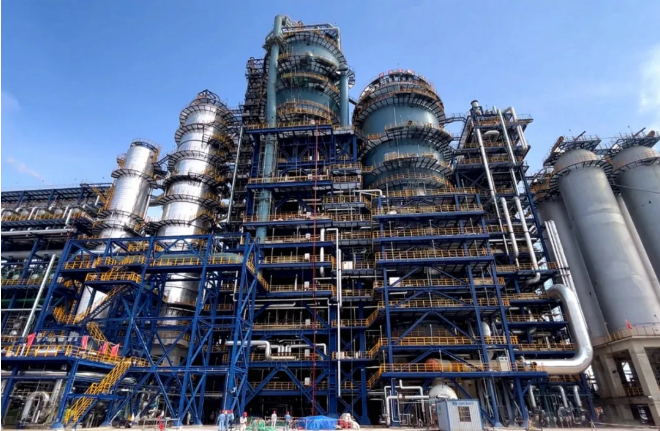
II. The Expansion and Brief Glory of the Golden Age
During that period of high demand, the titanium dioxide industry experienced a phase of rapid development (even though the chloride process was still in the stage of introduction and initial development in the country). A large amount of capital and enterprises poured in, leading to a rapid expansion of production capacity, and industry profit margins reached historic highs. We not only essentially met the enormous domestic demand for titanium dioxide but also secured a place in the international market, gradually becoming the largest producer in the world. This not only brought considerable foreign exchange income to the country but also significantly boosted the development of the complete industrial chain from titanium ore extraction to downstream applications, creating a large number of job opportunities.
The sulfuric acid process is continuously optimized, with gradual improvements in product quality achieved through advancements in crystal form control, surface treatment, and other technologies. Meanwhile, a few pioneers in the chloride method have made difficult explorations, laying the foundation for future technological breakthroughs by introducing, digesting, absorbing, and innovating. At that time, we gained market share, accelerated our development pace, and established a significant position in the global industrial landscape.
Transition and Growing Pains: Industry Restructuring Under Multiple Pressures
However, the ever-changing market is always unpredictable. Firstly, the global economic growth is slowing down, and the domestic real estate market has entered a period of adjustment, leading to a significant decline in downstream demand growth. The titanium dioxide market has quickly shifted from a state of "short supply" to "oversupply." Secondly, the prices of raw materials have experienced severe fluctuations, such as those of titanium concentrate, sulfuric acid, and liquid chlorine, which have directly impacted the cost structure of enterprises. The most critical turning point, however, is the increasingly stringent environmental protection policies.
For a long time, the treatment of waste acid and waste residue associated with the sulfuric acid method of titanium dioxide production has been a chronic issue in the industry. With the country's firm determination in building ecological civilization and the sharp rise in environmental protection costs, many sulfuric acid method enterprises with non-compliant environmental facilities and outdated technology are facing the fate of production suspension for rectification or even elimination. The initial investment advantage that once seemed inexpensive has become a heavy burden under the immense pressure of environmental compliance. A batch of old production capacities have been forced to shut down due to the inability to bear the enormous investment required for environmental upgrades or due to continuous excessive emissions, leading the industry into a profound structural adjustment and reshuffling.
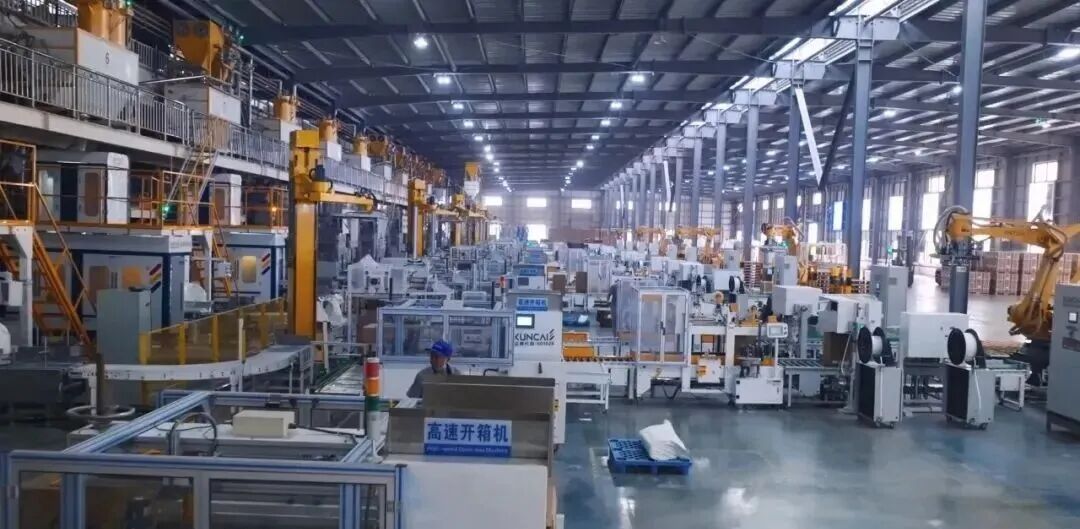
Four, Reflection on Gains and Losses: Balancing Strategic Reserves and Economic Pain.
Looking back on the development journey of the past decade, there have been both gains and losses. It has been a strategic choice and market experience under multiple constraints.
From the perspective of "de":
We have achieved technological independence and industrial security: we have completely eliminated our dependence on imported titanium dioxide, becoming the largest producer and exporter in the world. More importantly, in the high-end field of chloride process technology, we have progressed from an almost blank slate to mastering core processes and building multiple large-scale production lines that meet international advanced standards. This is not just an accumulation of production capacity, but a major breakthrough in the autonomy and control of key technologies.
Forged a complete industrial chain: The rise of the titanium dioxide industry has strongly driven the upstream mining, selection, and enrichment of titanium ore, as well as the coordinated development of downstream industries such as coatings, plastics, and inks, forming a relatively complete and resilient industrial chain system.
Driven industry optimization and upgrading: The dual pressures of the market and environmental protection, like a sieve, have accelerated the elimination of outdated production capacities and promoted the improvement of industry concentration. Leading enterprises with advantages in technology, environmental protection, and management have grown stronger, driving the entire industry towards high-quality, green, and sustainable development.
From the perspective of "loss" or the cost paid:
Endured the pain of overcapacity: During the period of rapid expansion, some irrational investments led to severe structural overcapacity, causing the industry to fall into brutal price competition when demand was weak. Many enterprises have been in a state of minimal profit or even loss for a long time, and the overall investment return rate is lower than expected.
Bearing the historical costs of environmental governance: the environmental issues left over from early extensive development, as well as the continuously high costs of compliance for "three wastes" treatment, have seriously eroded corporate profits for a considerable period and have also impacted the local ecological environment.
Facing the challenge of technological route transformation: early dependence on the sulfuric acid method has made it more difficult and costly for the industry to transition to the cleaner chlorination method under high environmental pressure, incurring certain time and cost expenses. Although breakthroughs have been achieved in the chlorination method, continuous efforts are still needed to catch up with international top levels in terms of production operation stability and the development of high-end specialized grades.
Essentially, these ten years are a microcosm of a specific industry in China's industrialization process facing intense competition under multiple constraints such as technology, market, and environmental protection. We have exchanged a certain degree of economic efficiency pain for the optimization of industrial foundational strength and long-term competitive structure.
V. Future Outlook: A New Journey from Scale Competition to Value Creation
The future of the titanium dioxide industry will be a battle of value transition centered around "high-end, green, and intelligent" development.
Chlorination Method Dominance and High-End Development: With the enhancement of environmental protection requirements and the upgrading of downstream industries, the relative advantages of the chlorination method will become more pronounced. Future innovations will focus more on the diversification of chlorination method raw material compatibility, the pursuit of extreme process stability, and the development of specialized, high-end grades for fields such as new energy and specialty coatings.
Deepening the circular economy and green development: The resource utilization of waste will be a core issue. For example, converting by-products such as titanium gypsum, waste acid, and iron slag from the sulfuric acid process into valuable products can achieve "turning waste into treasure," fundamentally reducing environmental burden. At the same time, energy consumption and carbon emission intensity will become new benchmarks for measuring enterprise competitiveness.
Exploring Emerging Application Areas: Beyond traditional coatings and plastics, nano-grade titanium dioxide exhibits great potential in functional material fields such as new energy battery materials, photocatalysis, high-end cosmetics, and special ceramics. Future growth engines will come from the development of these high value-added niche markets.
Embrace digital transformation: Utilize industrial internet, big data, and artificial intelligence technologies to achieve intelligent optimization of production processes, predictive maintenance, and precise quality control, enhancing operational efficiency, product consistency, and cost control capabilities.
In the next phase of competition, it will no longer be a simple expansion of scale, but a comprehensive leap in the quality of development. The key lies in the continuous deepening of core technologies, the firm practice of green manufacturing, and the ability to integrate into the global market value chain. Only those enterprises that can anticipate trends, adhere to innovation, and possess excellent operational capabilities can navigate steadily and lastingly in this high-quality game.
【Copyright and Disclaimer】The above information is collected and organized by PlastMatch. The copyright belongs to the original author. This article is reprinted for the purpose of providing more information, and it does not imply that PlastMatch endorses the views expressed in the article or guarantees its accuracy. If there are any errors in the source attribution or if your legitimate rights have been infringed, please contact us, and we will promptly correct or remove the content. If other media, websites, or individuals use the aforementioned content, they must clearly indicate the original source and origin of the work and assume legal responsibility on their own.
Most Popular
-
Dow, Wanhua, Huntsman Intensively Raise Prices! Who Controls the Global MDI Prices?
-

Clariant Unveils Cost-Cutting Plan Details, Plans to Shut Down Multiple Plants
-
[Today's Plastics Market] General Materials Weakly Fluctuate, Engineering Materials Steadily Rise
-

New Breakthrough in Domestic Adiponitrile! Observing the Rise of China's Nylon Industry Chain from Tianchen Qixiang's Production
-
Daily Review: Polyethylene Prices Under Weak Consolidation, Sellers Face Significant Pressure to Move Inventory