



Key Influencing Factors in the Blow Molding Process
The quality and production efficiency of blow-molded products are critically dependent on five key process parameters: blow pressure, inflation speed, blow-up ratio, mold temperature, and cooling time. Each parameter needs to be precisely adjusted in conjunction with the plastic material and product specifications. Extrusion blow molding has also become a mainstream application due to its multiple advantages.
01Blowing pressure
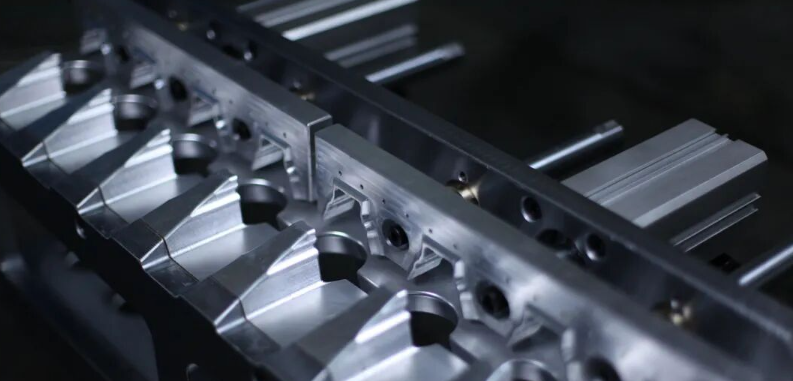
Blowing pressure is a core parameter in blow molding. Compressed air serves a dual purpose: expanding and shaping the parison against the mold, and cooling the finished product. The conventional adjustment range is 0.2-0.7 MPa, and its setting needs to align with material properties and product structure. Plastics with high viscosity and modulus, such as polycarbonate, and large-volume, thin-walled products require higher pressure to ensure complete molding and clear outlines. Plastics with low viscosity, such as polyamide, and small-volume, thick-walled products are suitable for lower pressure to avoid excessive expansion leading to deformation.
02Inflation speed

To balance inflation speed with efficiency and molding quality, the inflation speed should be as high as possible to shorten blowing time and ensure uniform product wall thickness. However, excessive speed can cause a vacuum at the air inlet, leading to the parison collapsing inward and forming a diaphragm, or tearing the parison at the mold opening, resulting in defective products. In such cases, the problem can be resolved by increasing the diameter of the blow tube or appropriately reducing the inflation speed.
03Blowing ratio

The blow-up ratio, also known as the parison expansion ratio, directly affects material consumption and product performance. Typically, it ranges from 2 to 4; for large thin-walled products, it is set between 1.2 and 1.5, while for small thick-walled products, it can reach 5 to 7. An excessively high blow-up ratio can reduce wall thickness and save raw materials, but it increases the difficulty of the blowing process and diminishes the strength and rigidity of the product. Conversely, an excessively low ratio increases material consumption and wall thickness, which not only reduces the effective volume of the product but also extends cooling times and raises production costs.
04Mold temperature
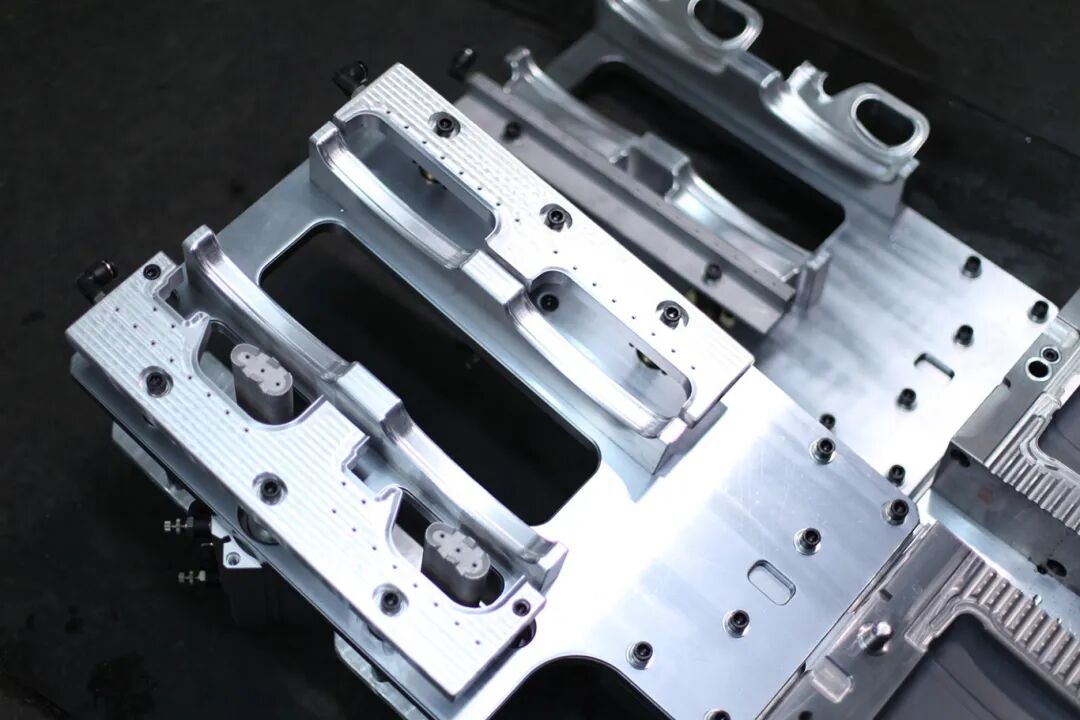
The mold temperature must be uniformly distributed and is generally controlled between 20–50°C. Its setting is related to the glass transition temperature of the plastic: for plastics with high glass transition temperatures, such as polycarbonate, the mold temperature can be appropriately increased; for plastics with low glass transition temperatures, such as polyethylene and polypropylene, the mold temperature should be lowered. If the mold temperature is too low, the extensibility of the plastic at the pinch-off area will decrease, leading to molding difficulties, blurred profiles or patterns, and thickening of the pinch-off site. Conversely, excessively high mold temperatures will extend the cooling time, increase the production cycle, and cause demolding deformation or increased shrinkage of the product. For thick-walled products, in addition to mold cooling, internal auxiliary cooling can be achieved by injecting liquid nitrogen, carbon dioxide, or other media into the interior of the product.
05Cooldown time
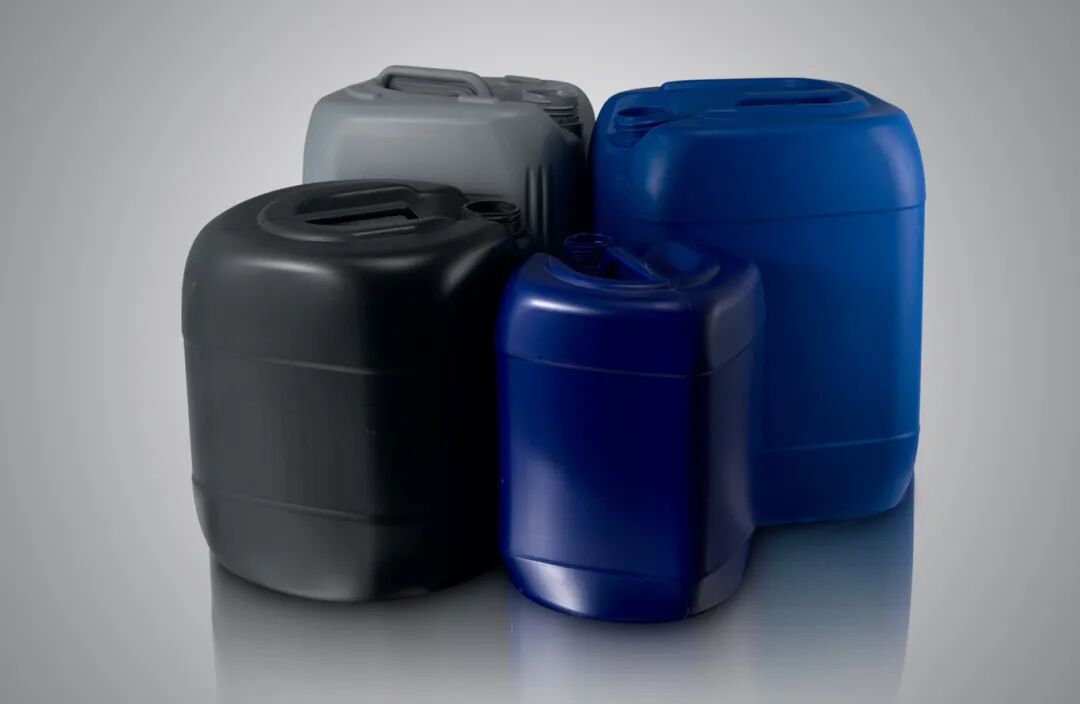
Cooling time directly affects the molding effect and comprehensive properties of the product. After the parison is blown, it needs to be fully cooled, otherwise deformation may occur due to plastic elastic recovery, or defects such as stress and voids may appear. However, excessively long cooling times will increase the crystallinity of the product, reduce its toughness and transparency, and at the same time prolong the production cycle and reduce production efficiency. Therefore, while ensuring the product is fully cooled and molded, it is necessary to accelerate the cooling rate as much as possible, balancing quality and efficiency.
Extrusion blow molding, as a mainstream blow molding process, features adaptability to a wide range of plastics, relatively high production efficiency, and uniform parison temperature. It can produce large containers without high equipment investment and has a broad application range.
【Copyright and Disclaimer】The above information is collected and organized by PlastMatch. The copyright belongs to the original author. This article is reprinted for the purpose of providing more information, and it does not imply that PlastMatch endorses the views expressed in the article or guarantees its accuracy. If there are any errors in the source attribution or if your legitimate rights have been infringed, please contact us, and we will promptly correct or remove the content. If other media, websites, or individuals use the aforementioned content, they must clearly indicate the original source and origin of the work and assume legal responsibility on their own.
Most Popular
-

Key Players: The 10 Most Critical Publicly Listed Companies in Solid-State Battery Raw Materials
-

Vioneo Abandons €1.5 Billion Antwerp Project, First Commercial Green Polyolefin Plant Relocates to China
-

EU Changes ELV Regulation Again: Recycled Plastic Content Dispute and Exclusion of Bio-Based Plastics
-

Clariant's CATOFIN™ Catalyst and CLARITY™ Platform Drive Dual-Engine Performance
-

List Released! Mexico Announces 50% Tariff On 1,371 China Product Categories