



New Zealand Approves Agricultural Plastic Recycling Plan
Specialized Vision reported on December 4th that the New Zealand government has officially approved regulations related to the nationwide rural recycling program, which covers the areas of pesticides and agricultural plastics.
The approved plan is industry-led and aims to integrate existing agricultural recovery projects and the Plasback project into a unified national system. This system will provide free, convenient, and easily accessible services to users of agricultural chemicals and agricultural plastics within the applicable scope.
New Zealand's Minister for the Environment, Penny Simmonds, pointed out that the plan will focus on "addressing fundamental issues" while developing practical solutions to protect the environment, support farmers, and ensure that the primary sector is highly productive and sustainable. Simmonds revealed, "Earlier this year, we extensively sought opinions on these regulations and received strong support from the rural sector. Farmers and growers have long actively advocated for this, and now we have finally achieved this goal."
The newly introduced regulations are built on the foundation of a voluntary program spanning nearly 20 years and establish a nationwide product management framework. Its scope includes agricultural chemicals and their containers, as well as agricultural plastics, which will help farmers reduce waste, lower environmental impact, and enhance long-term productivity. Symonds stated, "Plastic products are crucial to New Zealand's world-leading agricultural economy, but rural communities are also aware that waste like containers, plastic bags, and wrapping paper continues to accumulate."
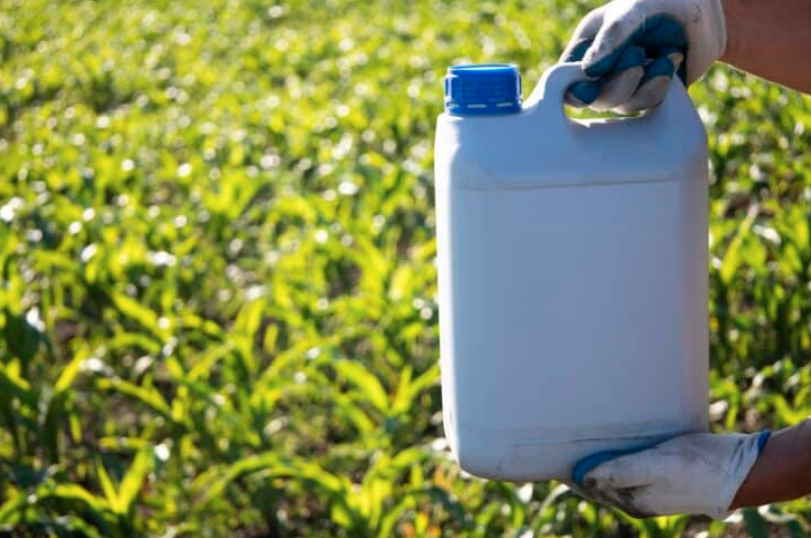
The new plan creates a unified system under which producers, sellers, and users will share responsibility for the entire lifecycle of the product, thereby ensuring practical solutions for rural communities and the environment.
It is worth noting that the benefits of this plan are not limited to the farming community. Forestry, manufacturing, hospitality, tourism, and local governments will all be able to enjoy the national recycling services, making it easier and safer for all New Zealanders to dispose of related items.
Simons also mentioned, "Key industry stakeholders support the plan because it provides a better approach to handling plastics than incineration or landfill, which can reduce environmental risks and help create cleaner, safer rural communities."
According to reports, agricultural chemicals and their containers, as well as agricultural plastics, are among the six priority products that must have management plans implemented under the Waste Minimization Act of 2008.
【Copyright and Disclaimer】The above information is collected and organized by PlastMatch. The copyright belongs to the original author. This article is reprinted for the purpose of providing more information, and it does not imply that PlastMatch endorses the views expressed in the article or guarantees its accuracy. If there are any errors in the source attribution or if your legitimate rights have been infringed, please contact us, and we will promptly correct or remove the content. If other media, websites, or individuals use the aforementioned content, they must clearly indicate the original source and origin of the work and assume legal responsibility on their own.
Most Popular
-
Dow, Wanhua, Huntsman Intensively Raise Prices! Who Controls the Global MDI Prices?
-

Clariant Unveils Cost-Cutting Plan Details, Plans to Shut Down Multiple Plants
-
[Today's Plastics Market] General Materials Weakly Fluctuate, Engineering Materials Steadily Rise
-
New Breakthrough in Domestic Adiponitrile! Observing the Rise of China's Nylon Industry Chain from Tianchen Qixiang's Production
-
Daily Review: Polyethylene Prices Under Weak Consolidation, Sellers Face Significant Pressure to Move Inventory