



Nike mind: Neuroscience and Foam Material Innovation Merge to Lead Low-Carbon Upgrading Technology in the Footwear Industry
In October 2025, Nike officially released its first footwear product developed based on neuroscience - the Nike Mind 001 slippers and Mind 002 sports shoes, achieving an innovative fusion of neuroscience and foam materials. Created by Nike's Mind Science department based on the principle of tactile feedback, the shoes stimulate the nerve endings of the foot through 22 independent PEBAX foam nodes, enhancing athletes' on-field awareness. Material-wise, the PEBAX foam nodes possess high resilience and durability, with the product excelling in weight control and durability performance. In terms of manufacturing process, traditional methods are surpassed by simplifying complex structures, with the midsole being integrally foam-molded, and the 22 spherical foam nodes independently providing feedback on ground texture. The outsole's innovative design combines material saving, weight reduction, and breathability features. The release of this product not only represents Nike's groundbreaking innovation in the field of neuroscience but also reflects the profound transformation of foam material technology in the footwear industry.
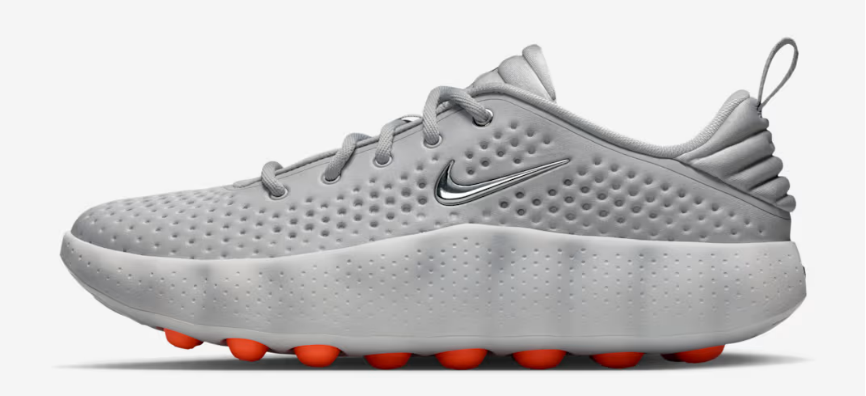
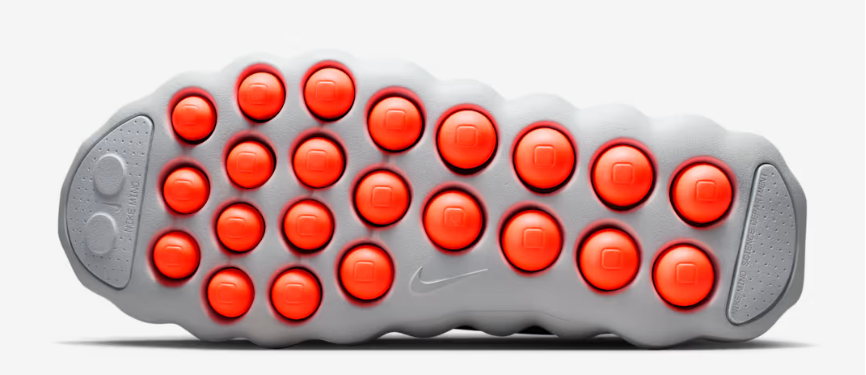
Nike Mind 002
Mainstream foam materials in shoe materials
Application Analysis in the Field
EVA Material: Ethylene-vinyl acetate copolymer (EVA), as a traditional mainstay in the footwear industry, is widely used in cushioned running shoes and everyday commuting shoes due to its advantages of being lightweight, easy to process, and low in cost. Its pure foam rebound is about 40-45%. Although it is not as good as emerging materials, it can be increased to 55% by adding POE elastomers and other technologies. The application of supercritical fluid foaming technology has achieved a revolutionary breakthrough, reducing EVA density to 0.08-0.12g/cm³, with energy return performance reaching over 92%. Furthermore, the production process leaves no chemical foaming agent residue, and the carbon emission per unit product is reduced by 30% compared to traditional processes, balancing cost with the "dual carbon" requirements of mid-to-high-end sports shoes.
TPU Material: Thermoplastic polyurethane elastomer (TPU) is polymerized from diisocyanates and polyols, featuring comprehensive properties such as high strength and high toughness, with better resilience and durability than EVA. Traditional TPU has limitations due to its heavy weight, compression-induced heating, and yellowing issues. The advent of aliphatic TPU has solved the yellowing problem. It does not contain phenyl groups, has a dense molecular structure, and strong adhesion. In supercritical foaming, the density of ETPU molded materials can be controlled between 0.18-0.30g/cm³, with a rebound rate of 50-60%. The foaming density of sheet materials is about 0.15, with rebound stability above 65%, and they can be physically crushed for secondary processing, aligning with the requirements of a circular economy.
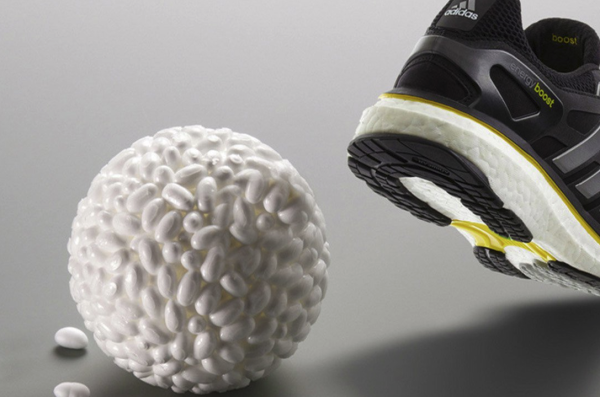
Adidas Boost Technology - TPU Bead Foaming
PEBA Material: Polyether Block Amide (PEBA) represents the highest level of footwear material technology. It is composed of polyamide hard segments and polyether soft segments, characterized by its ultra-lightweight (density 1.00-1.14g/cm³), ultra-high resilience (rebound rate over 70%, even above 80%), and strong temperature stability. The synergistic effect of the rigid and flexible segments in its molecular structure results in an energy conversion efficiency of 85%. During production, green electricity can be utilized to reduce the carbon footprint. For example, Zhejiang Xingpai New Material Co., Ltd. has introduced a new generation of supercritical physical foaming midsole solutions, capable of mass-producing ultra-low density (0.05-0.06g/cm³) and ultra-high resilience (80%) PEBA elastomer foam materials. However, the high cost limits its widespread adoption in the mass market.
TPEE Material: Thermoplastic Polyester Elastomer (TPEE) combines the elasticity of rubber with the strength of engineering plastics, with tensile and compressive modulus higher than TPU. While its resilience and durability are similar to TPU, it performs better in terms of lightweight characteristics, using PBT hard segments and PTMG soft segments as the main structure. It has good processability and recyclability, and strong thermal stability. After supercritical foaming, the sheet density ranges from 0.11-0.3g/cm³, with a rebound rate of over 70%, making it considered an upgraded version of ETPU. Breakthroughs in recycled TPEE (rTPEE) technology have made it a preferred material under the "dual carbon" context. Far Eastern New Century's Far Eastern Enterprise Research Center has transformed discarded PET bottles into soft and elastic shoe midsoles, supplying them to SALOMON for their iconic amphibious shoe model, Solamphibian.
Foam materials in different types of footwear
Application Analysis of the Scenario
Running shoes field:
From cushioning to speed, covering all scenarios.
In the running shoe industry, there is a clear stratification of technology and segmentation of scenarios. PEBA material dominates the high-end racing market—Nike ZoomX uses PEBAX supercritical foam, offering an energy return rate of 85% and a density of 0.1g/cm³, aiding in the breaking of marathon records. Li Ning's "==" technology achieves an 89% energy return rate through PEBAX bead foaming at just one-third of ZoomX's cost, narrowing the performance gap to within 3%. Mid-range training shoes focus on TPU foaming, with Anta's nitrogen technology achieving an 85% rebound rate (industry average is 65%) through supercritical nitrogen foaming, balancing carbon reduction and performance. Adidas Boost's bead foaming process stands out in the market with its unique cushioning feel. Mass-market jogging shoes still primarily use EVA, with technologies like 361° Q-Cube enhancing energy return to 85% through supercritical foaming. Brands like Peak Taichi and Skechers HYPERBURST also continue to innovate in EVA modification.
2) In the field of basketball shoes:
High-Intensity Exercise Performance Challenge
Basketball shoes have stringent requirements for cushioning, support, and stability of foamed materials. High-end products generally use TPU foam midsoles, with a tearing strength of 6.8kN/m (41% higher than EVA) and performance fluctuations of less than 5% within the temperature range of -20℃ to 60℃, suitable for high-intensity competitive scenarios. Technology integration has become mainstream, with Li-Ning showing outstanding performance: BOUNSE technology achieves rapid rebound in high-impact scenarios through dual design of "structure + material". Models like ULTRALIGHT2025 and YuShuai 1 SUPER are equipped with super BOUNSE technology (energy return rate of 89%), with targeted adjustments to match different competitive needs, while featuring midfoot TPU support and lightweight uppers to balance performance and practicality in real-world applications.
3) Training shoes and casual shoes:
The Art of Balancing Cost and Performance
Training shoes and casual shoes focus on cost-effectiveness and everyday applicability. EVA material, with its high cost-performance ratio, dominates the mass market and is widely used in categories such as commuter shoes and children's shoes. Environmentally friendly EVA is gradually replacing traditional PVC as a trend. To enhance comfort, EVA+POE blends and aliphatic TPU are becoming increasingly popular. At the same time, personalized customization is on the rise. Brands like Lukes have introduced a "one-piece minimum order" model, utilizing body shape intelligent matching, 3D scanning, and other technologies, combined with biomechanical analysis to provide shoe sole solutions that fit the foot shape, meeting diverse needs.
Brand Technology Matrix:
Differentiation competitive strategy
Major sports brands have established their own product matrix and technological systems in foam material technology, with green innovation centered around "dual carbon" becoming the key to differentiated competition.
Nike: With the PEBAX supercritical foaming technology at its core, the Zoom X series has established a high-end technological barrier with an energy return rate of 85%-89% and a low density of 0.1g/cm³. The flagship product, Zoom Vaporfly 4/Next% 4, achieves a performance leap through carbon fiber plate optimization and Vapor Weave upper innovation. Concurrently, Nike is developing bio-based materials, with React X technology reducing carbon footprint by 43%. The ISPA Universal series uses 70% bio-based EVA and glue-free technology, combined with Crater Foam recycled waste technology, to maintain leading performance while steadily advancing towards the goal of a 30% reduction in supply chain carbon footprint by 2030.
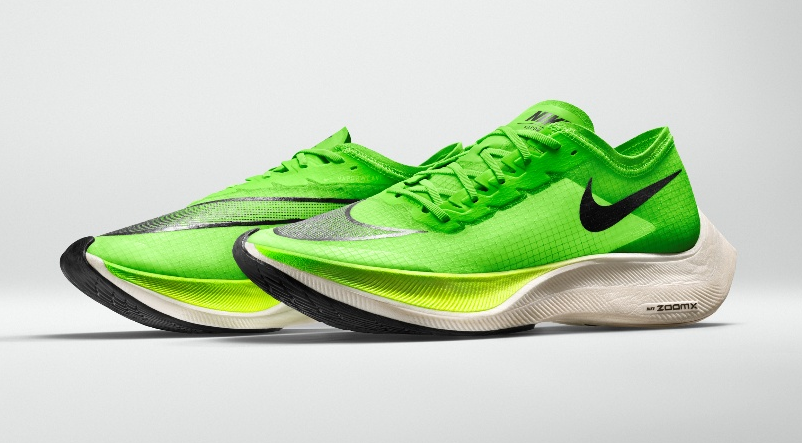
Nike ZoomX Vaporfly NEXT% 4 Running Shoes
Li Ning: Achieved a breakthrough in high-end foam material technology through Chaopeng technology, achieving a top performance of 89% energy return rate and 0.07g/cm³ low density using the embryo film foaming process, with costs only one-third of Nike ZoomX. Built a technology platform including Peng, Chaopeng, Peng Silk, and Extreme Peng Silk, with products covering running (Feidian 5 family) and basketball categories, breaking into the high-end market with a high cost-performance strategy. The Chaopeng capsule technology launched in 2025 further expanded the boundaries of technological application, demonstrating the innovative strength of Chinese brands.
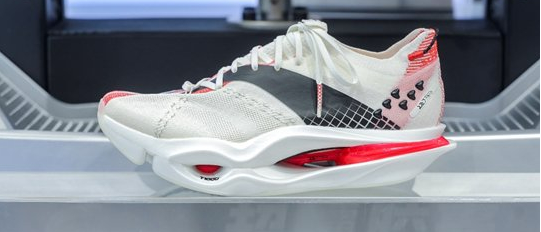
The Feidian 6 equipped with Super Capsule Technology.
Anta: The nitrogen technology, centered around aliphatic TPU nitrogen supercritical physical foaming, forms a hierarchical system with an energy return rate of 80%-90% (Nitrogen 80/85/90), featuring both eco-friendly low-carbon (carbon footprint reduced by 30%-50% compared to traditional materials) and strong durability advantages. The flagship C202 series (such as C2025GT) has gained recognition in professional events like the Xiamen Marathon. It adapts to different runners through a dual-density midsole and bionic carbon plate design. At the same time, nitrogen technology is widely applied across the entire product line, including models like Hydrogen Run and Mach, enhancing the brand's market competitiveness in balancing environmental sustainability and performance.
Adidas: Leading the industry in sustainable development with recycled material technology, Boost and Lightstrike technologies continuously upgraded with recyclability. By 2024, the usage rate of recycled polyester fibers will reach 99%. Products like Ultraboost Light incorporate ocean plastics and recycled fibers. Through supply chain emission reduction (Scope 1/2 emissions reduced by 17%), application of clean energy, and environmental management of suppliers, Adidas implements a low-carbon strategy across the entire product and supply chain. With innovative products like Futurecraft.Footprint, the company has topped the green supply chain dual index list, establishing a benchmark position in industry sustainable development.
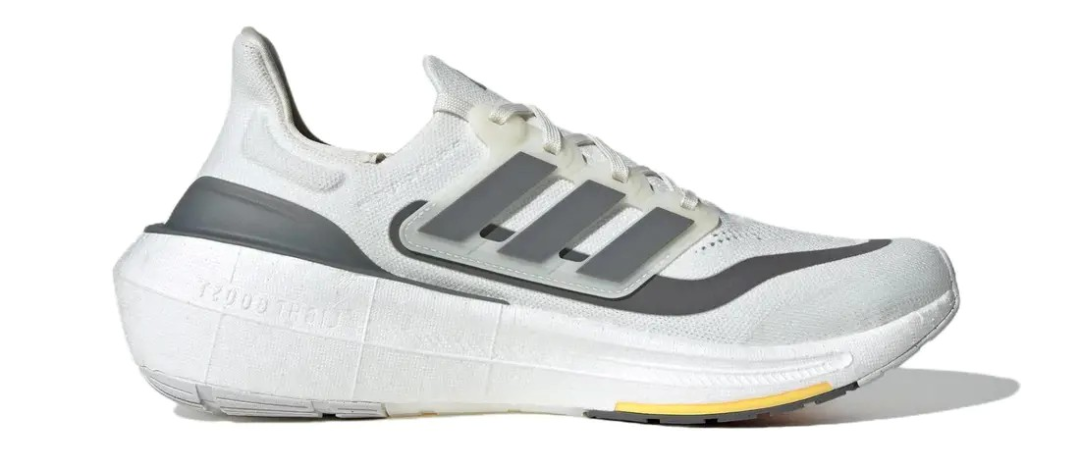
Adidas Ultraboost Light
Peak: By leveraging the adaptive foaming technology of Taiji, Peak establishes a differentiated advantage, achieving a dynamic response characteristic of "low-speed cushioning and high-speed rebound" through the combination of P4U and EVA (impact absorption rate is 32% higher than ordinary EVA). The company actively explores the circular economy with the introduction of the "Origin" concept shoe, which is 100% recyclable, and a zero-chemical reagent production process. Technological iterations focus on lightweight (25% weight reduction) and improved rebound. Products like Taiji 7.0 and Speed Wind GT cover a range of applications from daily exercise to professional training, showcasing the diverse application potential of adaptive technology.
Foamed shoe material industry low carbon
Transformation and Technological Innovation
4.1 Driven by the Dual Carbon Goals
As the world's largest base for footwear production and consumption, China is accelerating the low-carbon transition of the foaming material industry under the guidance of the "3060 Dual Carbon" goals. In 2024, China's foamed shoe sole industry is undergoing structural transformation and high-quality transition. It is expected that by 2025, a new development pattern characterized by high performance, low carbon, and intelligence will be formed, with the market size expected to exceed 148 billion yuan and the annual compound growth rate stabilizing at around 8.7%. Among them, the proportion of high-end rebound midsole materials will rise to 39.2%, and TPU foaming materials, with their excellent recyclability and performance advantages, are expected to achieve a market penetration rate of 42.5%. Core footwear material industry clusters such as Jinjiang and Taizhou are taking active steps; Jinjiang has already hosted a national industry conference themed "Recycling and Sharing, Pollution and Carbon Reduction, New Quality Development," focusing on the green manufacturing and recycling of polymer materials and accelerating the transformation of low-carbon technological achievements.
The carbon regulatory policies of major global economies, such as the EU's carbon border tax, China's "Carbon Peak Action Plan," and the energy consumption limit standard GB29436-2024, are driving industries to reduce carbon across the entire chain from raw materials, processes to recycling. Coupled with the increasing demand from consumers and brands for environmentally friendly materials, recycled foam, bio-based foam (such as starch composite EVA, bio-based polyamide), and biodegradable materials have become research hotspots. Relevant green additives and modification technologies are gradually breaking the monopoly of foreign capital.
4.2 Technological Integration and Cross-Sector Innovation
Under the global "dual carbon" goals, the footwear materials industry is undergoing an unprecedented technological transformation. The synergistic innovation of bio-based materials and supercritical foaming technology, along with the deep integration of multidisciplinary technologies, has become the core driving force for promoting the industry's green transition. In recent years, numerous breakthrough cases have emerged in these innovative directions, continuously pushing the boundaries of technology and opening up new paths for the sustainable development of the footwear materials industry.
4.2.1 Synergy of Bio-based Materials and Supercritical Foaming Process
In terms of the synergy between bio-based materials and supercritical foaming technology, the innovative practices of companies such as Wanhua Chemical, Cathay Biotech, LG Chem, BASF, and Allbirds demonstrate that the carbon reduction effect of bio-based materials has reached more than 20%-60%, with some products even achieving carbon negative emissions. These breakthroughs are not only reflected in material innovation but, more importantly, in the establishment of a green industrial chain from raw materials to products, providing practical solutions for the sustainable development of the industry.
Wanhua Chemical: Breakthrough in the Full Industry Chain of Bio-based TPU Supercritical Foaming Technology
Wanhua Chemical, as the world's first biobased TPU supplier certified by UL, utilizes renewable resources such as corn stalk biobased PDI and castor oil in its WANTHANE® WHT-ECO series, covering multiple categories and a full range of hardness. In 2022, they launched 100% biobased TPU and plan to achieve a full industrial chain breakthrough for nylon 12 elastomers by 2024. The supercritical foaming technology addresses the issue of high magnification yield and tear strength, improving strength by 15% compared to traditional PEBA. Their biobased ETPU midsoles have a carbon footprint reduction of 40%, and by 2024, they aim to obtain ISCC PLUS certification and commence mass production. The Yantai TPU Phase 3-2 expansion project will establish the world's largest single-line production capacity.
2) LG Chem: Breakthrough in Carbon Negative Emissions with Biologically Balanced Supercritical Foaming Midsole
LG Chem has achieved a major breakthrough in bio-balanced foaming technology. The Bio-circular balanced EVA&POE uses bio-naphtha as a raw material, and after supercritical foaming, achieves a rebound rate of 71% and a density of 0.147g/cm³, with carbon reduction reaching 2-3.5kg CO₂eq/kg p, achieving carbon negative emissions. The Bio-based TPEE is derived from recycled PET and corn-based bio BDO, reducing carbon emissions by 40% while maintaining a rebound rate of 75%-85%. Both materials balance performance stability with low-carbon advantages.
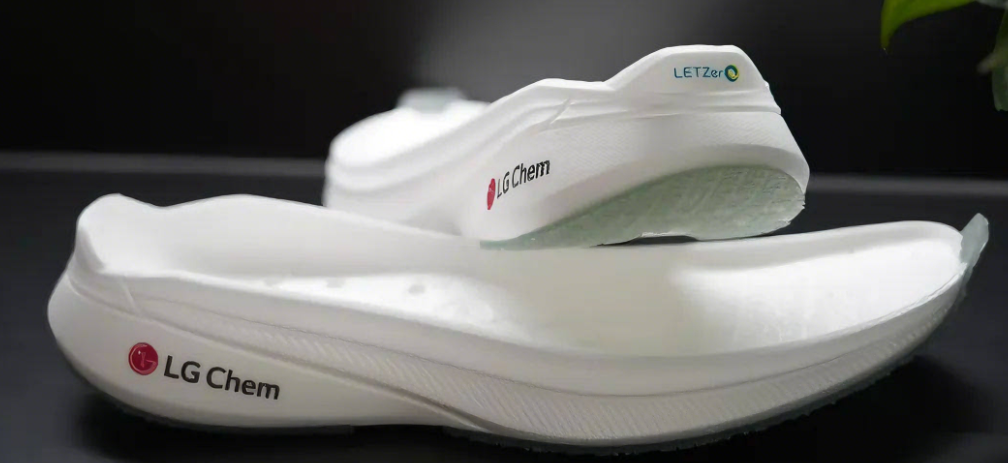
LG Chem Bio-based Footwear Material Bio-circular Balanced EVA & POE
3) Cathay Biotech: Industrialization breakthrough of bio-based polyamide elastomer supercritical foaming midsole
Kaisa Biology's bio-based polyamide elastomer shoe material midsole utilizes supercritical physical foaming technology to achieve "low carbon at the source + zero emissions in the process," reducing the carbon footprint by more than 50% compared to petrochemical-based materials. It offers a rebound rate of over 70% and a density that is 20% lower than TPU. Relying on the full industrial chain layout from bio-based cadaverine to polyamide, this product has already been connected with leading domestic sports brands for commercial testing, laying the foundation for large-scale application.
4) BASF x Mount to Coast: Breakthrough Application of Biomass Balance ecoflex® BMB
In November 2024, BASF, in collaboration with Mount to Coast, launched the CircleCELL™ midsole, based on the biomass-balanced PBAT material ecoflex® BMB, which replaces fossil raw materials with organic waste. It is certified by REDcert² and ISCC PLUS, with durability improved by 90% and energy return comparable to PEBA. Its carbon footprint is reduced by 60% compared to standard grades, making it a high-performance, low-carbon solution to address global carbon regulations.
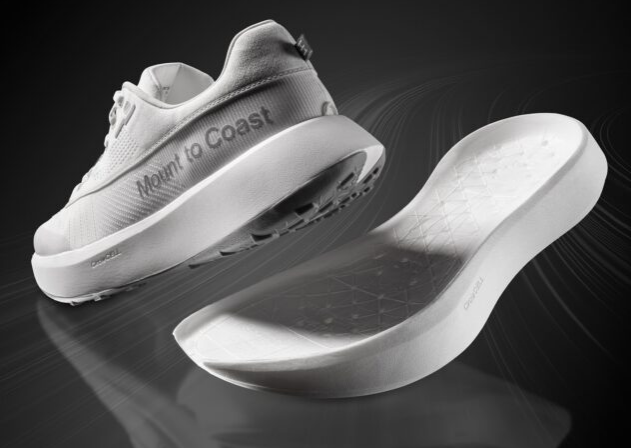
The first running shoe midsole based on ecoflex® BMB
Allbirds: The World's First Net-Zero Carbon Shoe with Bio-Based Supercritical Foaming Technology
In 2023, Allbirds launched the world's first net-zero carbon shoe, the M0.0NSHOT Zero. Its Super Light midsole uses carbon-negative green EVA derived from sugarcane, with a bio-based content of approximately 70%. After supercritical foaming, its carbon footprint is reduced to 0.0 kg CO₂e. The company unveiled the product prototype and "zero-carbon formula" at the Global Fashion Summit, using open innovation to promote advances in bio-based foaming technology within the industry.
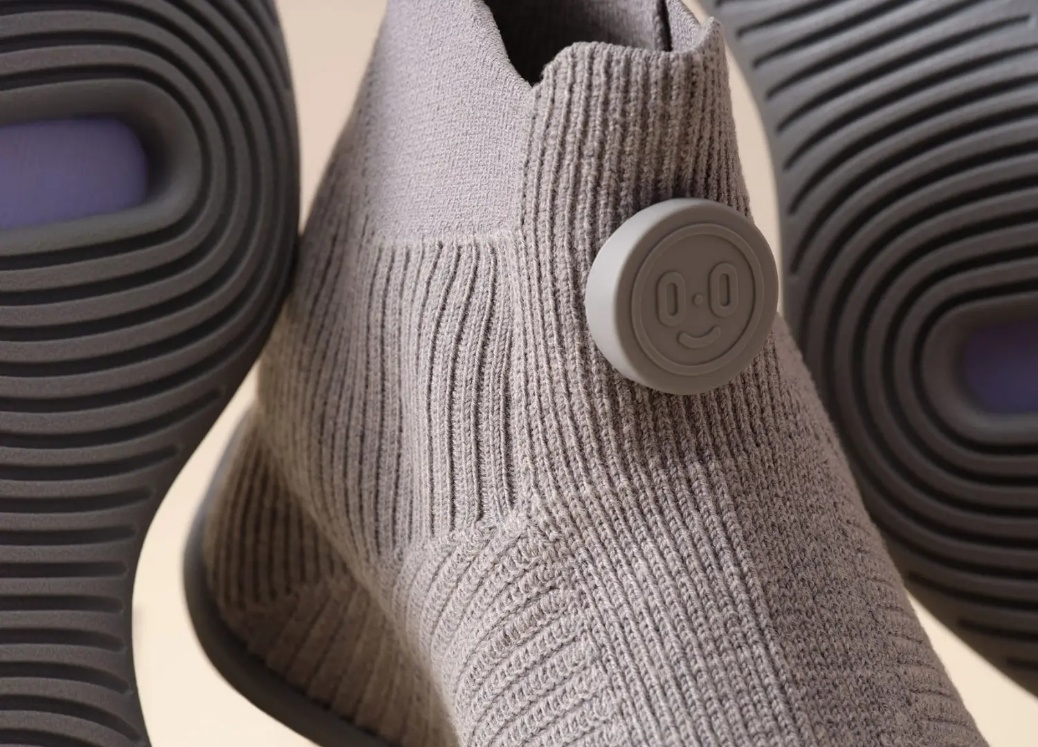
Allbirds Net Zero Carbon Emission Shoes M0.0NSHOT Zero
4.2.2 Multidisciplinary Technology Collaboration
In terms of multidisciplinary technology collaboration, the Nike Mind series demonstrates the integration of neuroscience and materials science, the extensive application of artificial intelligence in material design and manufacturing, and the combination of biomechanics with personalized customization. All these suggest that footwear products are transitioning from purely functional equipment to intelligent, personalized health products. The depth and breadth of technological integration are continuously expanding, extending from the traditional single dimension of materials science to multiple dimensions such as life sciences, data science, and cognitive science.
Nike Mind Series: Revolutionary Fusion of Neuroscience and Foam Materials
The Nike Mind series is its first footwear product developed based on neuroscience, created by the Mind Science department utilizing the principles of tactile feedback. This department uses mobile brain and body imaging labs to study the connections between neurology, cognition, and movement, breaking through the traditional definitions of athletic performance, focusing on presence and psychological balance. Tested and validated by hundreds of athletes, the Mind003 will subsequently launch with a replaceable node system to enhance personalization and sustainability.
Artificial Intelligence-Driven Foam Material Design and Manufacturing
Artificial intelligence is revolutionizing the foam materials industry chain in all aspects. On the materials design end, researchers use three machine learning methods, including linear regression, to achieve accurate predictions for 3D micro-branch foam manufacturing with small datasets. On the product design end, Nike will launch 13 A.I.R. series "ultra-futuristic" sports shoes in May 2024, based on physiological data and design concepts from elite athletes such as Kylian Mbappé. AI is used to optimize the texture of the shoe soles and the distribution of midsole density. On the manufacturing end, Japan's XPP foam industry leverages AI to optimize extrusion parameters and achieve predictive maintenance. Covestro's polyurethane foam simulation solutions and the FOAM tool from Fraunhofer ITWM achieve precise simulation and optimization of the foaming process through digital experience and automatic parameter identification, respectively.
3) Synergistic Innovation of Biomechanics and Materials Science
The deep integration of biomechanics and materials science is driving the development of foam materials towards intelligence and personalization. Recent studies show that advanced footwear technology (AFT) running shoes, equipped with highly compliant and elastic foam thick midsoles, can improve running economy by 2-4% compared to traditional shoes, and this effect is still validated after 450 kilometers of wear. Researchers have developed a V-shaped heel and high-elasticity midsole design that significantly improves gait speed, stride length, and other parameters without altering muscle activity, enhancing gait efficiency, and achieving the dual goals of optimized load transfer and increased stability.
4) Breakthroughs in 3D Printing Technology for Foam Material Manufacturing
3D printing technology is driving the manufacturing of foamed materials from mass production to personalized customization, and from simple structures to complex geometric shapes. In terms of technological research and development, the light-curing 3D printing polyurethane elastomer technology employs a dual cross-linking strategy induced by multiple hydrogen bonds, overcoming the contradiction between mechanical properties and processability to achieve high-precision molding of high-performance polyurethane elastomers. The foam 3D printing method using digital light processing (DLP) technology can create complex internal structures, supporting ergonomic sole design. The tunable foaming 3D printing materials driven by dynamic covalent chemistry introduce dynamic phosphodiester bonds to increase the foaming rate while maintaining the degree of cross-linking. In terms of industrial applications, Li-Ning and Poly Technology have collaborated to develop light-curing 3D printing foaming technology, integrating light-curing resin and foaming systems to develop materials that meet the demands of high-precision printing and isotropic size-stable foaming.
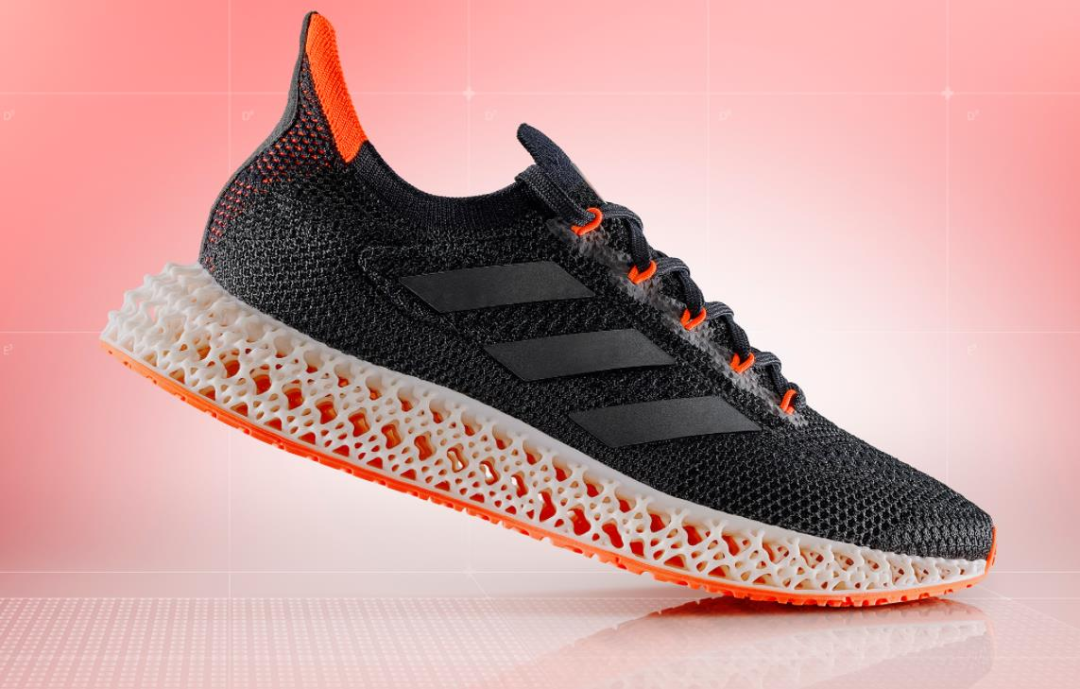
3D Printing Adidas 4DFWD
Future Prospects of Foaming Material Technology
Through an in-depth analysis of NikeMind product innovation and the development of global foaming material technology, we can clearly see that the footwear materials industry is undergoing a profound technological transformation encompassing materials, design, processes, and business models. The future development trends are clear and definite.
The continuous upgrade in materials, from EVA and TPU to PEBA, will lead to bio-based materials becoming mainstream. It is expected that by 2030, they will account for more than 50% of major sports brand products. Meanwhile, more breakthrough high-performance new materials will continue to emerge.
The concept of sustainable development will deeply guide the technological path. Under the global "dual carbon" goals and the increasing environmental awareness of consumers, the popularization of supercritical fluid foaming technology and the construction of a circular economy model (including recyclable design, zero-emission production, and recycling) have become core directions.
Intelligence and personalization have become key factors in differentiated competition. The application of AI, big data, 3D printing, and digital twin technology, combined with the deep integration of neuroscience, biomechanics, and other disciplines, transforms footwear products from functional equipment to intelligent terminals for health monitoring, performance optimization, and personalized customization (such as the innovative practices of the NikeMind series).
Cross-domain technology integration will further generate diverse innovation opportunities, and the interdisciplinary collaboration between materials science, biomedicine, information technology, and intelligent manufacturing will continue to expand the boundaries of development.
For material suppliers, focusing on the research and development of high-performance, cost-effective bio-based materials is the key to breaking through in the wave of low-carbon transition. This approach not only precisely matches the core demand for green raw materials from brands but also broadens market boundaries through differentiated technology, as evidenced by the industrial practices of Wanhua Chemical and Cathay Biotech, which have fully validated the feasibility of this path. Manufacturers can take digital transformation and the establishment of intelligent manufacturing systems as core strategies. By optimizing foaming processes with digital twins and achieving predictive maintenance through AI technology, they can meet personalized order demands, reduce production losses, and more efficiently integrate upstream innovations. Brands might as well take the deep integration of cutting-edge technology and product design as a competitive breakthrough point, similar to how Nike incorporates neuroscience into foam node design and Li Ning uses supercritical technology to balance performance and cost, thereby transforming technological advantages into product experiences that consumers can intuitively perceive. Research institutions can break technical barriers by strengthening interdisciplinary cooperation, delivering more practical innovative solutions to the industry, whether it's the performance iteration of bio-based materials or the collaborative application of AI and foam simulation. When innovation at the material end, efficiency at the manufacturing end, integration at the brand end, and breakthroughs at the research end combine forces, the footwear material industry is bound to open up broader development space and inject more practical strength into global sustainable development.
【Copyright and Disclaimer】The above information is collected and organized by PlastMatch. The copyright belongs to the original author. This article is reprinted for the purpose of providing more information, and it does not imply that PlastMatch endorses the views expressed in the article or guarantees its accuracy. If there are any errors in the source attribution or if your legitimate rights have been infringed, please contact us, and we will promptly correct or remove the content. If other media, websites, or individuals use the aforementioned content, they must clearly indicate the original source and origin of the work and assume legal responsibility on their own.
Most Popular
-

Evonik Parts Ways With The Polyester Business! A Strategic Retreat By A Germany Chemical Giant And The Global Industry Shift
-

A Look at the Material Suppliers Behind SpaceX
-
Nike mind: Neuroscience and Foam Material Innovation Merge to Lead Low-Carbon Upgrading Technology in the Footwear Industry
-
Next-generation motors of new energy vehicles: Single-Round Thousand Horsepower, Replacing Brakes, How Powerful Are They?
-
Ethylene: Production Capacity Accelerates Expansion, Global Industry Landscape Is Being Reshaped