



Plastic Industry's "Oil Alert": Decoding Trump's Venezuela Blockade Order
U.S. President Trump announced an order to fully block all sanctioned Venezuelan oil tankers from entering and exiting ports. This statement is like a powerful chess piece, instantly stirring the calm state of the oil industry. As a downstream product of crude oil, the situation in Venezuela is intricately connected to our polyolefin industry. Therefore, it is necessary for us to explore what Trump intends to achieve. Is he really brewing a war?
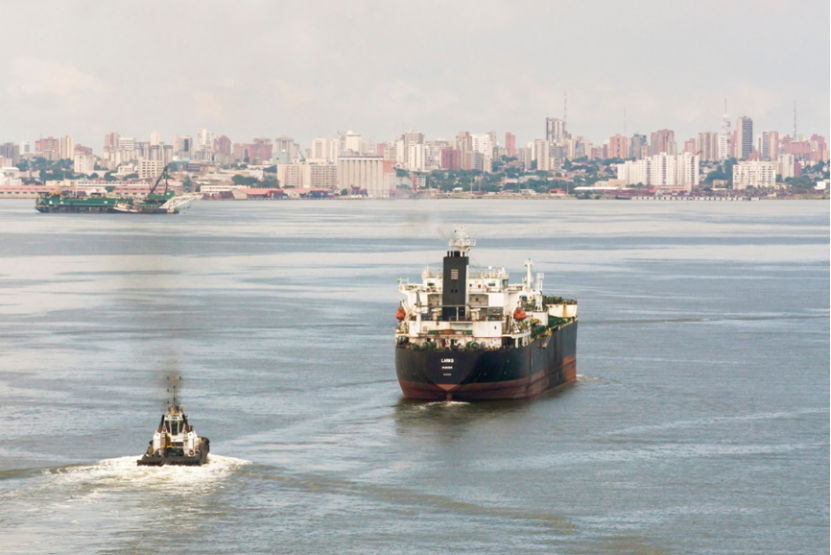
First, let's review the background of the events. Venezuela, as a major oil power in South America, has long suffered from political turmoil. The Maduro regime faces international sanctions, particularly the oil export restrictions led by the United States, which aim to undermine its economic foundation and promote regime change. During his time in office, Trump repeatedly imposed tough measures on Venezuela, including recognizing the opposition leader as the legitimate president and tightening the oil embargo.
Nowadays, this blockade is seen as an upgraded version of sanctions: the U.S. Navy will form the "largest fleet in South American history" to surround the waters around Venezuela, intercepting all oil tankers suspected of violating sanctions. This is not a simple verbal warning, but a signal of actual action, aimed at cutting off Venezuela's oil "lifeline." Trump's intention is obvious: this is a carefully designed pressure tactic.
First, from a political perspective, his aim is to further isolate the Maduro regime. Venezuela's oil revenue accounts for the vast majority of its foreign exchange sources, and by blocking oil tankers, the United States can effectively cut off the flow of funds, forcing the regime to make concessions at the negotiating table. Trump's statement mentioned "complete encirclement," which is not only a military posture but also a diplomatic lever intended to compel internal changes within Venezuela.
Secondly, geopolitical considerations cannot be ignored. Venezuela has close relations with countries like Iran and Russia, which transport oil via tankers to circumvent international sanctions. Trump's blockade targets these "shadow fleets," aiming to maintain the so-called "fairness" of the global energy order while asserting U.S. dominance in the Western Hemisphere. This aligns with Trump's consistent "America First" ideology: using tough measures to ensure national interests are not compromised.
Furthermore, this move may also serve domestic political agendas. Trump faces complex domestic challenges, including immigration issues and border security. The Venezuelan crisis has led to millions of refugees flooding into neighboring countries, indirectly affecting the southern border of the United States. Blocking oil tankers can be packaged as a measure to "combat the source," garnering support from conservative voters. At the same time, it paves the way for Trump's energy policy, emphasizing domestic energy independence and reducing reliance on imported oil.
From a broader international perspective, this might be Trump's response to multilateralism. He criticized the previous administration for ineffectively enforcing sanctions on Venezuela, believing that "empty talk is useless," and thus opted for unilateral action. This reflects his diplomatic style: straightforward and results-oriented, rather than lengthy multilateral coordination.
So, is Trump really going to start a war? The answer is likely no. This blockade resembles an economic war more than a hot war. Historically, the U.S. has implemented similar maritime interceptions multiple times, such as during the Cuban Missile Crisis or the Iranian oil embargo, but these rarely escalated into full-blown conflicts. Trump's statements emphasize "targeting sanctioned tankers" rather than a military invasion of Venezuela, leaving room for maneuvering. Based on Trump's past record, he tends to prefer "maximum pressure" followed by negotiations rather than reckless military adventures. After all, the costs of war are high and would divert U.S. resources from other hotspots like the Middle East or Asia-Pacific.
The future development of the situation in Venezuela ultimately depends on the outcome of the various parties' negotiations.
Author: Zhou Yongle, Senior Market Analysis Expert at Specialized Vision.
【Copyright and Disclaimer】This article is the property of PlastMatch. For business cooperation, media interviews, article reprints, or suggestions, please call the PlastMatch customer service hotline at +86-18030158354 or via email at service@zhuansushijie.com. The information and data provided by PlastMatch are for reference only and do not constitute direct advice for client decision-making. Any decisions made by clients based on such information and data, and all resulting direct or indirect losses and legal consequences, shall be borne by the clients themselves and are unrelated to PlastMatch. Unauthorized reprinting is strictly prohibited.
Most Popular
-

Key Players: The 10 Most Critical Publicly Listed Companies in Solid-State Battery Raw Materials
-
Vioneo Abandons €1.5 Billion Antwerp Project, First Commercial Green Polyolefin Plant Relocates to China
-
EU Changes ELV Regulation Again: Recycled Plastic Content Dispute and Exclusion of Bio-Based Plastics
-
Clariant's CATOFIN™ Catalyst and CLARITY™ Platform Drive Dual-Engine Performance
-
List Released! Mexico Announces 50% Tariff On 1,371 China Product Categories