



Porsche: The Revalued "Table Companion"
"The cake has shrunk, and the number of people at the table needs to be re-evaluated."
In early 2026, Porsche China President and CEO Michael Kirsch explained the company's decision to significantly reduce its sales network in China as follows.
And the "person at the table" is the dealer, who is also Porsche itself.
When Porsche executives were surrounded by angry questions at a Chinese dealer conference, the "king of sports cars," which once required premiums of hundreds of thousands to purchase in China, has now seen its performance in the Chinese market plummet to a freezing point.
The "shrinking cake" that Pan Lizhi mentioned is far more than just a dismissive phrase.
Porsche viewed the past year, 2025, as a year for recalibration, making adjustments in many areas. Among these, the adjustments at the dealership network level were the most significant, with Porsche gradually reducing its sales outlets from approximately 150 in 2024 to 114 by the end of 2025.
According to Porsche's official global delivery figures for 2025, the company delivered 279,449 vehicles to customers worldwide throughout the year, a 10% decrease compared to 310,700 vehicles in 2024, marking the largest drop since the global economic crisis in 2009.
The most striking slump occurred in the Chinese market, with Porsche reporting a significant 26% drop in sales in China for 2025, impacted by both the pressured environment in the Chinese luxury car market and intensified competition in the pure electric vehicle segment. Compared to industry rivals BMW and Mercedes-Benz, Porsche's sales decline in China is more pronounced – BMW and Mercedes-Benz are projected to see sales decreases of 12.5% and 19% respectively in China for 2025.
When the hood of the Chinese market is lifted, we no longer see the fervently admired "dream totem," but rather a transforming giant, somewhat hesitant and cumbersome, amidst the electric vehicle surge and the fierce encirclement of domestic brands.
Porsche's predicament is, in essence, an extreme stress test on the rules of survival for traditional luxury car empires within the context of a new era.
Does the Porsche crisis imply a silent power shift in the global luxury car market?
Porsche re-evaluates its "inner circle," and is also being "re-evaluated" by the market.
This drop in sales is no accident.
According to Gasgoo's survey, over 60% of consumers believe that the electric vehicles of traditional luxury brands "lack sincerity."
From a global perspective, Porsche's predicament reflects the collective anxiety of traditional luxury brands in the face of unprecedented changes in the automotive industry, while the dramatic transformation of the Chinese market is becoming the ultimate proving ground for the transformation of global automakers.
Once upon a time, the Chinese luxury car market above 400,000 yuan was exclusively dominated by Porsche, BBA joint ventures, and imported brands. Above one million yuan, Chinese car companies were rarely seen.
However, this pattern has now been completely disrupted.
In 2022, BYD launched its premium new energy vehicle brand, Yangwang, focusing on million-yuan-level new energy models, covering off-road SUVs, flagship sedans, and all-electric supercars, among other series.
Regarding market performance, the Yangwang brand has previously set a new record for million-level luxury cars in China, with cumulative sales exceeding 10,000 units by April 2025. In October 2025, the Yangwang brand sold 654 vehicles, with the Yangwang U8 model contributing 455 units, and the Yangwang U7 and U9 selling 197 and 2 units respectively. From January to October 2025, the Yangwang brand achieved cumulative sales of 3,159 units. Currently, the Yangwang brand has multiple high-end models such as U8, U9, U7, and U8L, and its product matrix is becoming increasingly complete.
In November 2025, Li Ke, Executive Vice President of BYD, revealed the global promotion plan for its ultra-luxury brand "Yangwang." According to the plan, the brand will first enter the Middle East market in early 2026. After its debut in the Middle East, the Yangwang brand will gradually expand to the European and American markets.
BYD has previously confirmed that its Yangwang brand will be launched in Europe, a plan that will be gradually advanced after the Denza brand enters the European market early next year. Stella Li had previously revealed in September 2025 that the Yangwang brand plans to officially enter the UK market in 2027. The decision to introduce the brand to the UK in 2027 is to ensure that the brand has sufficient competitiveness in the local market and to complete the establishment of a UK team and the construction of a market foundation before then.
The Zunjie S800 is positioned as a D+ class flagship sedan, with a market price range of RMB 708,000 to 1,018,000. Since its launch, the Zunjie S800 has experienced rapid growth in market orders. Data shows that its initial orders exceeded 1,000 units within 1 hour of launch, then reached 3,600 units in 7 days, surpassed 5,000 units in 19 days, and exceeded 8,000 units in 50 days. As of November 20, the model's initial orders have exceeded 18,000 units.
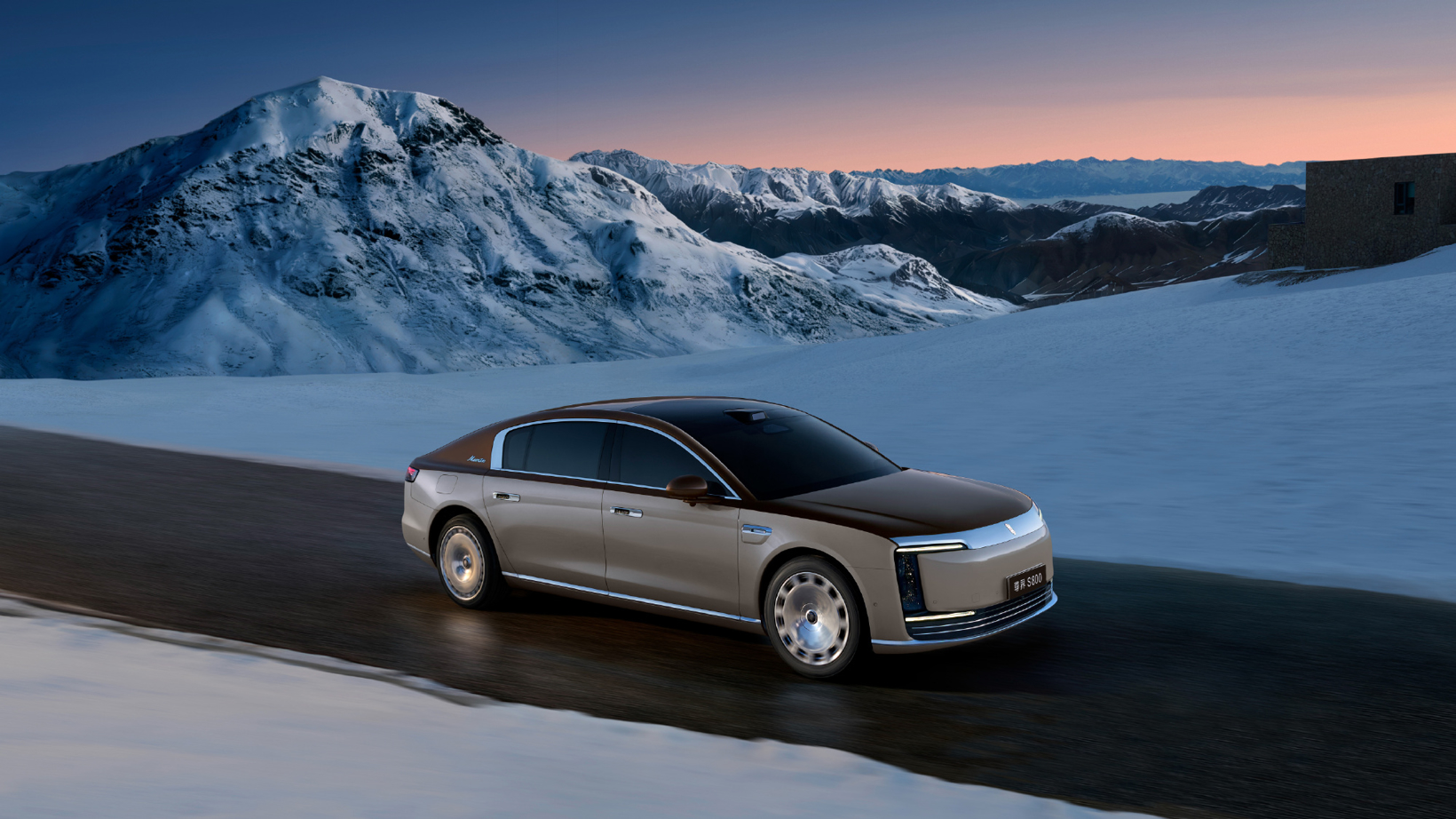
Image source: Zunjie Weibo
In addition, the 2025 AITO M9 (2025 model) was launched in March 2025 with a starting price of 469,800 yuan. According to a promotional video released by Kang Bo, Vice President of Seres Group, on December 27, 2025, the cumulative deliveries of the AITO M9 have exceeded 260,000 units since its launch, setting a new delivery record for vehicles in the 500,000 yuan price range. It took less than a month to go from 260,000 to 270,000 units.
These independent brands, with their dual advantages of "technology + features," have forcefully breached the defenses of traditional luxury brands.
Li Yanwei, a member of the expert committee of the China Automobile Dealers Association, pointed out that entering 2026, the core goal of traditional luxury brands including BBA may no longer be scale expansion, but rather "stabilizing prices and maintaining market share."
Zhang Xiang, Secretary-General of the International Association for Intelligent Transportation Technologies A more intuitive observation is: "Previously, the luxury car market was dominated by BBA (BMW, Benz, Audi) and imported cars. Now, Chinese brands can sell for over 1 million yuan and have good sales, directly squeezing Porsche's core market space."
This squeeze is not merely price competition, but a shift in the power to define products – indigenous brands are reconstructing the standard of luxury with a "fully-equipped strategy."
In contrast, Porsche's entry-level electric model, the Taycan, starts at a hefty 918,000 RMB, yet it doesn't come standard with advanced intelligent driving features, and options like ventilated seats and premium audio systems require extra payment.
According to Gasgoo's research, in the luxury car market above 700,000 RMB, over half of consumers believe that intelligent experience is as important as the brand's historical prestige.
J.D. Power China General Manager of Data Insights Wang Shen's research confirms this trend. Wang Shen cited the Leapmotor B10, equipped with an 8295P chip at Auto Shanghai 2025, as an example. Its 30TOPS of AI computing power and edge AI capabilities even surpass the existing configurations of traditional luxury brands like Rolls-Royce, but at a more affordable price.
With the rapid proliferation of intelligent configurations, the weight of intelligence in luxury car purchase decisions is receiving considerable attention. Wang Shen stated that in the luxury car market above 400,000 RMB, the importance of intelligence is very high, and models from tech brands such as AITO and Li Auto are performing well in the market. In the traditional fuel vehicle sector, consumers also have more requirements for intelligence, such as intelligent in-car systems, user-friendly navigation, and rich advanced driver-assistance features. Voice interaction has become a rigid demand for users.
Consumer survey data also confirms this shift. In Gasgoo's survey, when asked "If Porsche's intelligent features lag behind NIO and YangWang, would it change your purchasing decision?", the majority of respondents answered affirmatively.
It is worth noting that as an ultra-luxury brand, Porsche's configuration could also reach a considerable level if it were willing to increase investment in electrification and intelligent technology. Why is it that Porsche, with its "deep pockets," cannot keep up with the pace of electrification and intelligence?
Secretary-General Zhang Xiang incisively pointed out: "Porsche insists on 'developing whatever car makes money,' indulging in its core technology of gasoline cars and resting on its laurels, while Chinese automakers are willing to invest in long-term strategies. This difference is ultimately reflected in the rise and fall of market share."
In contrast, Chinese automakers continue to invest in research and development even when their luxury car businesses are not profitable in the short term. BYD leverages the scale effect of its Dynasty and Ocean series to support the technological R&D of its Yangwang brand. AITO, Li Auto, Xpeng, and other automakers are still continuously iterating their smart cockpits and range extender technologies.
What is Porsche hesitating about?
He who has no shoes is not afraid of him who has shoes.
Everything has two sides. Often, when you have nothing, it can also mean you have everything.
Relatively speaking, Porsche's predicament stems from its hesitant electrification strategy.
Porsche's electrification transformation has been marked by a "tentative" and conservative approach from the very beginning.
To date, Porsche has launched only a handful of all-electric models. Besides the Taycan launched in 2019, Porsche's second all-electric model, the Macan Electric, officially began deliveries in 2024. Developed on the PPE platform, it is positioned as an all-electric SUV. The Cayenne Electric is currently under development and is expected to be released in 2026, marking Porsche's third model in its electrification process. An all-electric 718 is planned for launch before 2027, built on a new platform and positioned in the all-electric sports car market.
However, as of 2025, the earliest released Taycan has only undergone minor configuration adjustments, with no fundamental upgrades to its core battery technology or intelligent cockpit system.
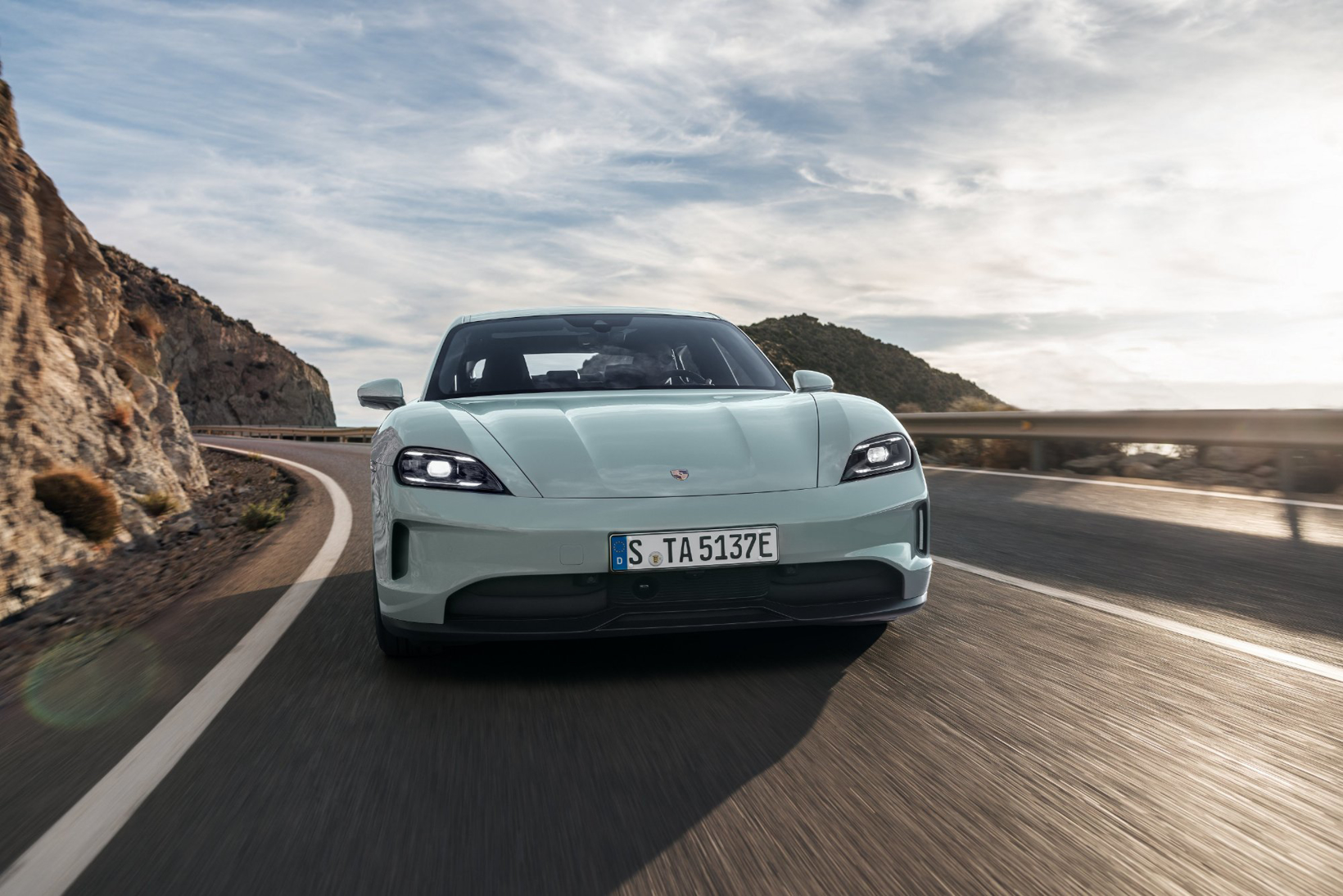
Image source: Porsche's Weibo
In 2025, electrified vehicles accounted for 34.4% of Porsche's global deliveries, with battery electric vehicles (BEVs) making up 22.2% and plug-in hybrid electric vehicles (PHEVs) comprising 12.1%. This result puts the BEV share at the upper end of the 2025 target range (20%-22%).
718 series (Boxster/Cayman) deliveries reached 18,612 units, a year-on-year decrease of 21%. Porsche stated that this was mainly due to the model series being in a production transition phase (officially discontinued in October 2025). Taycan (pure electric) deliveries reached 16,339 units, a year-on-year decrease of 22%; Cayenne deliveries reached 80,886 units, a year-on-year decrease of 21%.
Secretary-General Zhang Xiang stated frankly: "If the Taycan doesn't sell well, Porsche's willingness to invest further in new research and development will decrease, creating a vicious cycle of 'outdated product - declining sales - reduced R&D'."
Back in November 2023, Porsche announced a goal of "over half of new cars being electric by 2025 and pure electric vehicles accounting for over 80% by 2030," yet in 2024, its new energy vehicle delivery ratio was only 27%.
In September 2025, Porsche announced adjustments to its electrification strategy, including retaining combustion engines for high-performance models and postponing some electric vehicle launches.
This decision stands in stark contrast to Porsche's previous goal of having 80% of its models be fully electric by 2030, and reveals its wavering commitment to the electric transition.
Porsche CFO Lutz Meschke admitted that "high R&D investment in new energy vehicles, coupled with lower-than-expected sales and weakening demand for combustion engine vehicles, are putting pressure on finances."
Automotive analyst Ling Ran believes that balancing product cadence with market demand will be the core proposition for Porsche to break through in electrification.
Secretary-General Zhang Xiang told Gasgoo, "Porsche's strategic essence is profit maximization. Combustion engine vehicles still bring high profits, so it is unwilling to give them up. Meanwhile, Chinese automakers, even if luxury cars don't make money, will invest in research and development, relying on profits from other models to support technological iteration."
This strategic conservatism led Porsche to miss a critical window of opportunity in the shift to electrification.
While BYD, Li Auto, and other automakers are continuously increasing their R&D investment in electrification and intelligent features each year, Porsche's R&D investment is largely focused on optimizing gasoline and plug-in hybrid vehicles.
In 2025, Porsche announced a restructuring of its high-performance battery subsidiary, Cellforce, due to weak demand for electric vehicles. The plan to develop its own battery production was abandoned, and Cellforce will be transformed into an independent R&D department. Concurrently, approximately 200 of Cellforce's current 286 employees will be laid off, leaving a small R&D team of about 80 people.
This project, once seen as central to Porsche's future, has suffered a major setback. This means that the core technology of its pure electric vehicles will rely on external suppliers, further eroding its technological autonomy.
Winning back China will not be easy.
Secretary-General Zhang Xiang summarized this difference as a "collision of two business logics": "International automakers adhere to 'research and development only when profitable,' while Chinese automakers believe in 'long-term profitability through research and development.' When the transformation speed of the Chinese market far exceeds the global average, this difference in logic translates into a gap in market share."
In fact, Porsche is not an isolated case. Traditional luxury brands such as BBA also face similar difficulties, but they have not abandoned their investment in electrification. Instead, they are promoting the transformation through a model of "using profits from gasoline cars to subsidize electric vehicle research and development." Porsche's strategic pullback is essentially an overemphasis on short-term profits.
Faced with difficulties, Porsche is attempting to take a series of self-help measures.
Most notably, Porsche has appointed Dr. Michael Leiters as the CEO of Porsche AG, effective January 1, 2026. Dr. Oliver Blume, who has been at the helm of Porsche AG for ten years, will continue to serve as the CEO of the Volkswagen Group.
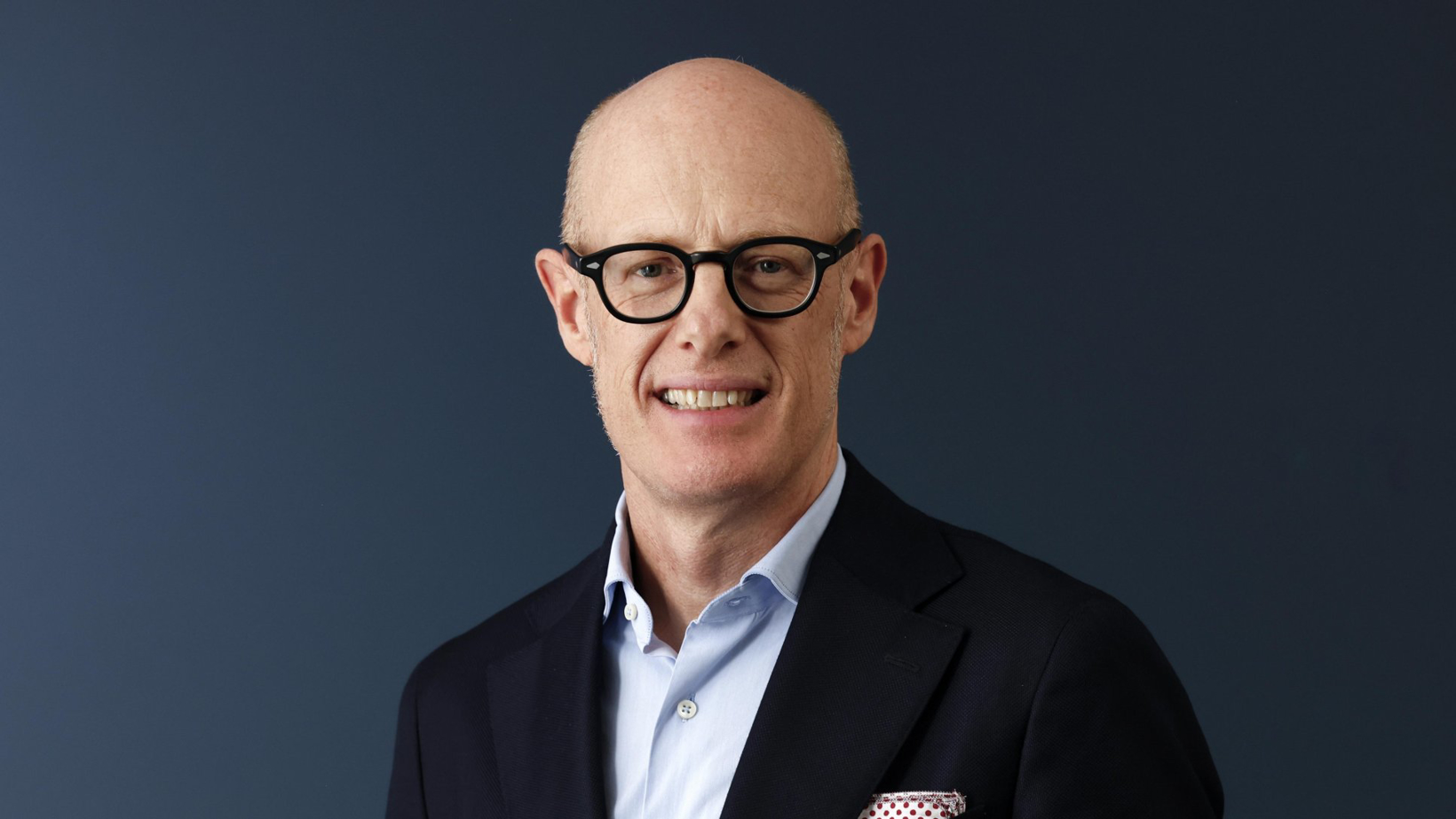
Image source: Porsche China official website
Whether this new helmsman can lead Porsche to regain its lost glory remains to be seen.
At a tactical level, Porsche has proposed a "Winning Back China" strategy.
Facing market changes, Porsche has made a series of adjustments in 2025, including optimizing its Chinese dealer network and establishing a Chinese R&D center, aiming to strengthen local adaptation and long-term resilience. Internally, 2026 is considered by Porsche to be a year of solidifying foundations and making progress.
"Winning back China is a comprehensive, long-term, and systematic project. We have developed a clear roadmap and are firmly executing it," said Patrizio Bertelli.
However, industry insiders are not optimistic about how much these measures can reverse Porsche's decline in the Chinese market.
An automotive analyst noted, "When the Chinese market no longer blindly trusts 'foreign brands,' and when electric and intelligent vehicles redefine the standards of luxury, historical accumulation and brand halo alone are no longer sufficient to maintain market share."
In a Gasgoo Auto consumer survey, only 15% of respondents indicated that Porsche's strategy of shrinking channels and strengthening elite circle activities could enhance their recognition of the brand's premium.
Image source: Porsche Weibo
This hesitation and uncertainty precisely reflect Porsche's current awkward position in the eyes of consumers. The luxury car myth of an era is being redefined by the era of smart electric vehicles.
Porsche's stalling is not just its own predicament, but a collective microcosm of the entire traditional luxury car brand at a crossroads of transformation.
Arrogance comes at a price, and inertia leads to obsolescence – Porsche's "stall" in China is a harsh lesson for all brands clinging to tradition.
【Copyright and Disclaimer】The above information is collected and organized by PlastMatch. The copyright belongs to the original author. This article is reprinted for the purpose of providing more information, and it does not imply that PlastMatch endorses the views expressed in the article or guarantees its accuracy. If there are any errors in the source attribution or if your legitimate rights have been infringed, please contact us, and we will promptly correct or remove the content. If other media, websites, or individuals use the aforementioned content, they must clearly indicate the original source and origin of the work and assume legal responsibility on their own.
Most Popular
-
Key Players: The 10 Most Critical Publicly Listed Companies in Solid-State Battery Raw Materials
-
Vioneo Abandons €1.5 Billion Antwerp Project, First Commercial Green Polyolefin Plant Relocates to China
-
EU Changes ELV Regulation Again: Recycled Plastic Content Dispute and Exclusion of Bio-Based Plastics
-
Clariant's CATOFIN™ Catalyst and CLARITY™ Platform Drive Dual-Engine Performance
-
List Released! Mexico Announces 50% Tariff On 1,371 China Product Categories