



Some Dislike, Some Crave: How Should The Supply Chain In China Be Managed?
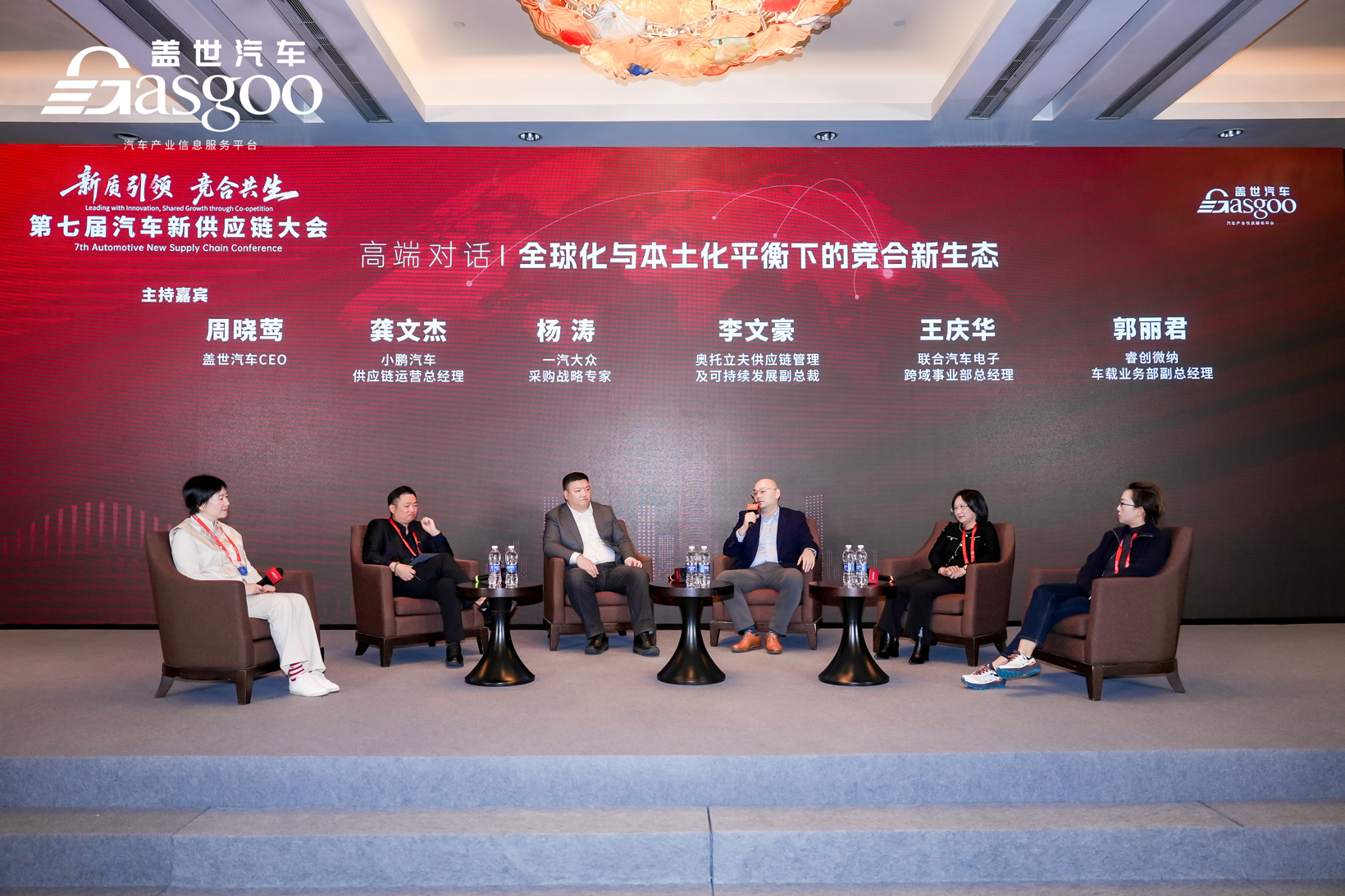
"Some customers have explicitly demanded the removal of elements from the Chinese supply chain and failure to meet these requirements would result in not receiving orders. However, there are also global customers who highly appreciate the advantages of the Chinese supply chain and are actively encouraging us to expand it to the global market." These remarks by Li Wenhao, Vice President of Supply Chain Management and Sustainable Development at Autoliv, at the 7th Automotive New Supply Chain Conference Roundtable Forum hosted by Gasgoo, accurately depict the current fragmentation and complex dynamics of the global automotive industry supply chain.
At present, as the wave of de-globalization spreads, domestic market competition intensifies, and the journey of going abroad accelerates comprehensively, China's automotive industry is standing at the crossroads of efficiency and safety, the arena of competition and innovation, and the intersection of local and global, experiencing unprecedented transformation and challenges.
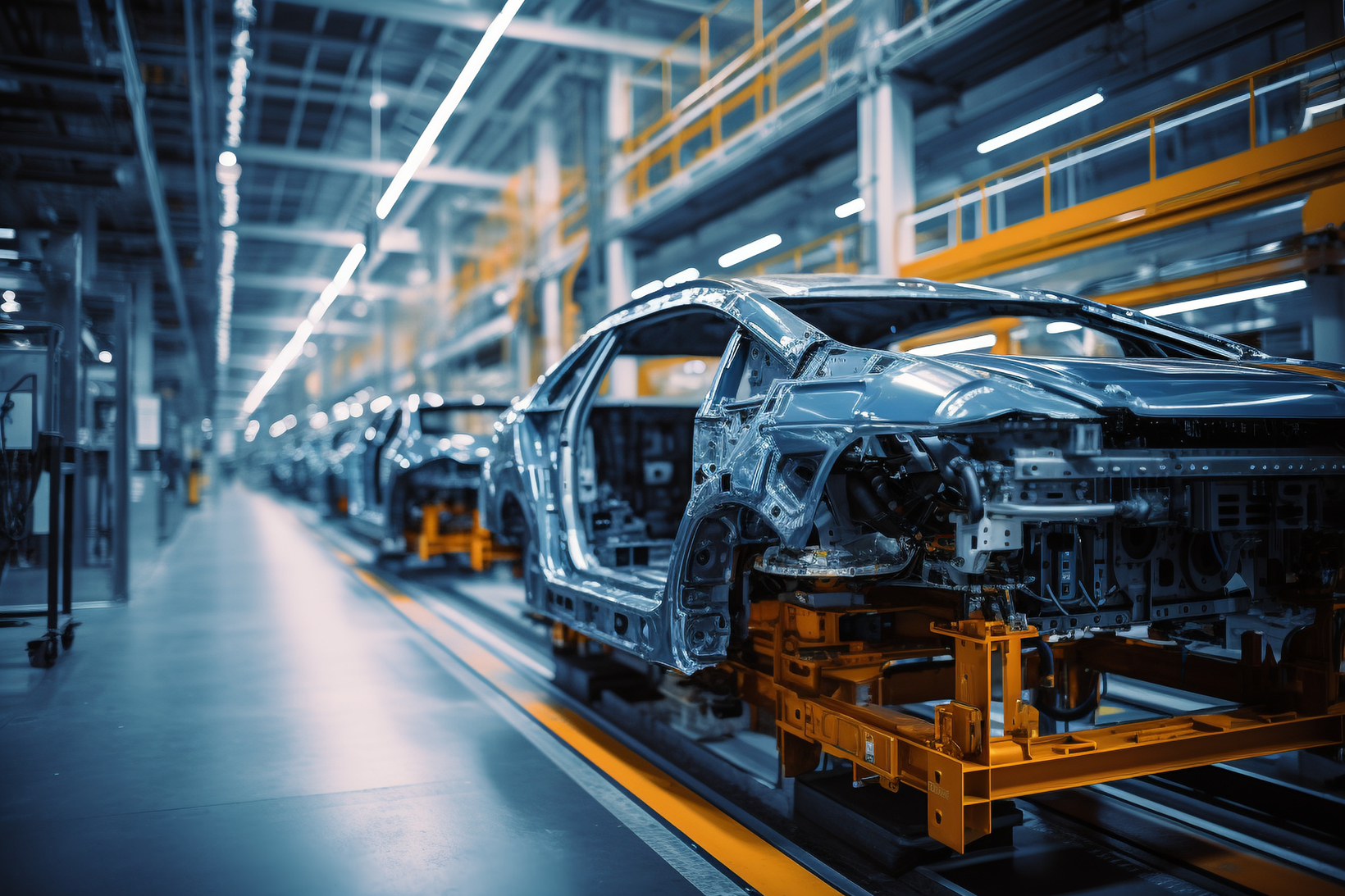
Image source: Shetu Network
Supply Chain Reconstruction: From Efficiency to Security, Building an Independent and Controllable New Ecosystem
In the past few decades of globalization, China's automotive industry has grown into a key player in the global automotive manufacturing sector, thanks to its highly efficient and coordinated supply chain system. However, in recent years, the trend of de-globalization has intensified, and the global automotive supply chain is undergoing a profound shift from "efficiency first" to a focus on both "safety and efficiency" and even "safety first." This transformation is impacting the entire industry chain and driving the whole sector to embark on a path of restructuring.
For OEMs, supply chain security faces real challenges. At the aforementioned forum, Gong Wenjie, the supply chain operations manager of Xiaopeng Motors, admitted that for technology-driven OEMs like Xiaopeng, intelligent connectivity is the core competitiveness, specifically manifested in self-developed chips and autonomous control systems, which in turn drives the construction of a competitive ecosystem throughout the entire industry chain. However, since the beginning of this year, the supply chain layout has faced significant challenges due to chip sanctions arising from the China-U.S. trade conflict and geopolitical turmoil.
He pointed out that the supply chain for conventional vehicle bodies is relatively well-established in the domestic market, but the chip segment in the intelligent connected vehicle field has been significantly impacted. Although the process of domestic chip development and localization continues to advance, the reality is quite severe. Currently, it is even difficult to find a complete supply chain for automotive-grade MCUs (Microcontroller Units) above 28 nanometers in China. "Although Xiaopeng has its self-developed Turing chip to support the main control chip, other core chips such as MCUs are still greatly affected, and the domestic intelligent connected vehicle supply chain has not yet reached a state of independent security and controllability, requiring time for the industry chain to truly mature."
As one of the early foreign joint ventures to enter the Chinese market, FAW-Volkswagen's development path involved first completing its localization layout, alongside the gradual growth of the Chinese automotive industry. Yang Tao, a procurement strategy expert at FAW-Volkswagen, stated that in the early stages of localization, safety was not the core challenge; the focus was on introducing the technology and experience of the international supply chain, achieving self-development through integration.
However, he also pointed out that in recent years, companies have faced challenges due to the impact of the anti-globalization trend. In response, FAW-Volkswagen's solution is to promote deep localization by encouraging international suppliers to fully relocate their research and supply chains domestically; at the same time, continuously guiding local suppliers to introduce international advanced technology and resources.
In his view, this process inevitably involves growing pains, belonging to the industry’s adjustment phase, but once the adjustment is complete, the industry will form a pattern of "you in me, me in you." Relying on China's leading advantages in the fields of new energy and intelligence, domestic enterprises will develop independent technological solutions. Short-term localized growing pains do not conflict with the mainstream direction of global development but rather represent different paths towards the same goal, ultimately achieving integration. Taking the chip sector as an example, the industry can gradually avoid development obstacles through mutual learning, and related challenges will be progressively resolved.
The situation for supply chain enterprises is more complex. Wang Qinghua, General Manager of the Cross-domain Division of United Automotive Electronics, revealed that as a joint venture, United Automotive Electronics focuses its main business on the Chinese market. Previously, the core development was centered on technology leadership and innovation-driven approaches, with an emphasis on efficiency first, optimizing costs and operational efficiency. However, recently, the company has also faced numerous challenges in the chip supply chain sector.
Specifically, on one hand, in the face of emergencies and supply shortages, enormous resources are required to seek alternative chip solutions and validate them; on the other hand, domestic market demand is at the forefront of the industry, and the company is strengthening collaboration with its shareholders to promote the implementation of global solutions, with some domestic solutions already being promoted to European shareholders. However, some clients in certain regions have extremely stringent requirements for the supply chain, demanding the removal of Chinese supply chain elements from products, extending even to the Tier X level, which poses significant challenges to the company's business operations and strategic planning.
Wang Qinghua stated that the current maturity of the domestic supply chain in certain core chip areas still needs improvement. Apart from high-end MCUs, there are no mature domestic alternatives for chips such as engine high-pressure injection driver chips and oxygen sensor driver chips. The industry needs to promote supply chain construction through multiple pathways, while also recognizing that ensuring supply chain security will inevitably involve an exploratory process and cost investment in the early stages. Manufacturers, suppliers, and even consumers need to adopt an inclusive mindset during this phase.
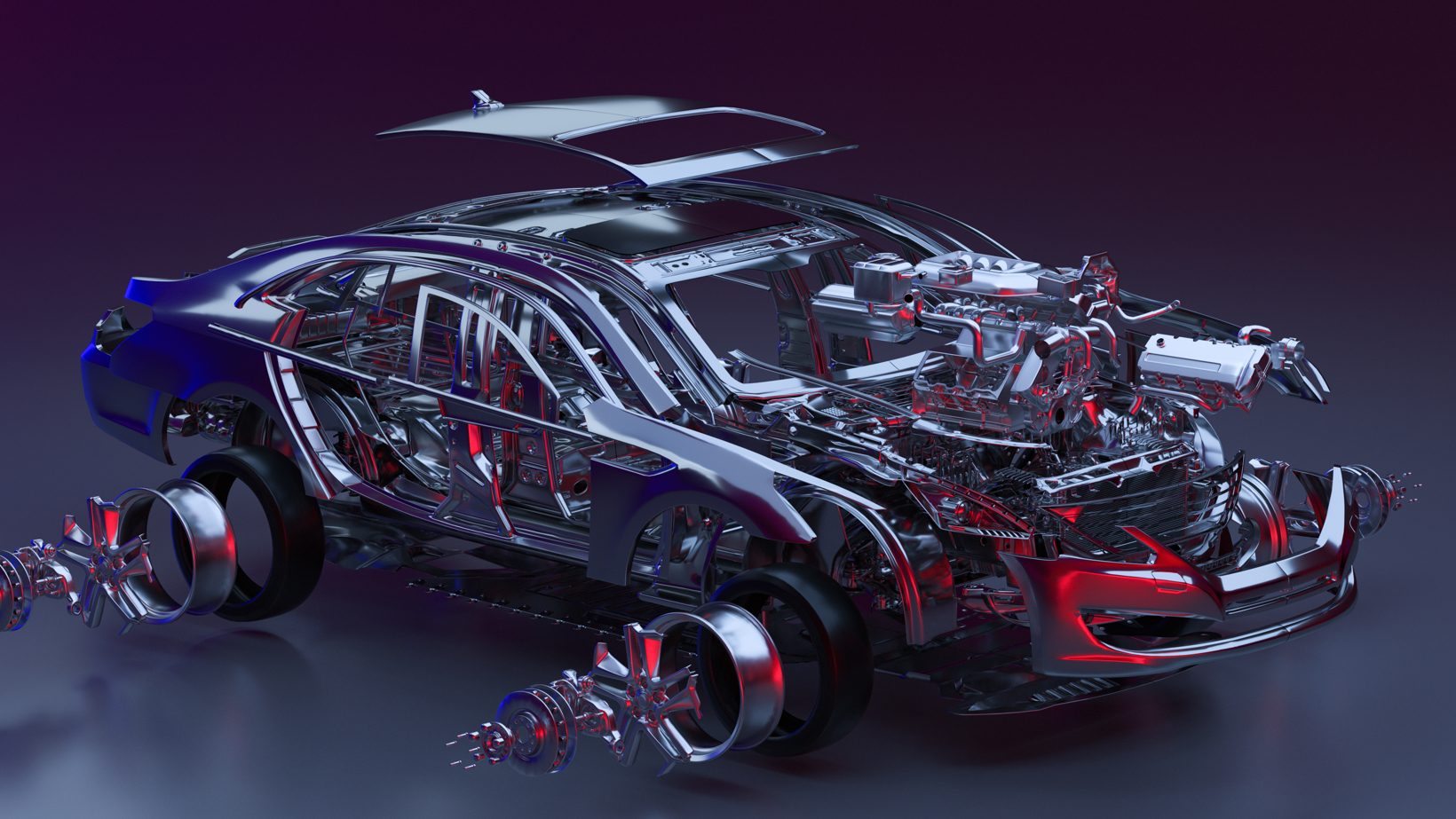
Image source: Shetu Network
Li Wenhao highlighted the fragmentation trend of the global market mentioned at the beginning of the article. He emphasized that under this trend, companies need to make precise assessments based on their own competitive landscape. For companies that primarily rely on the North American market, they are currently at a critical transition period of life and death. In sensitive areas such as algorithms and electronics, supply chain risks exist not only in the North American market but also in the European market.
He believes that enterprises need to prepare in two aspects: first, to anticipate the trend of the situation and make plans to deal with the worst-case scenario; second, to recognize that there are many participants in the global automotive industry, and customers recognizing the Chinese supply chain are expected to leverage cost-efficiency advantages to impact the North American market, forcing related customers to readjust their supply chain strategies. Enterprises should plan for the worst, prepare most thoroughly, and maintain the greatest hope.
Local suppliers are also actively breaking the deadlock. Guo Lijun, Deputy General Manager of the Automotive Business Department of Ruichuang Micro-Nano, stated that the company's main business is infrared thermal imaging products, a field that had long been monopolized by European and American companies. After over a decade of deep cultivation, the company has achieved the number one global market share, truly breaking the overseas monopoly pattern.
According to her, Ruichuang Weina encountered barriers of "refusing Chinese products" as early as the initial stage of expanding into overseas markets. Ultimately, it broke into the international market by relying on its independently developed core technologies. This experience demonstrates that, whether in domestic or global markets, the core technological advantage and continuous innovation are the fundamental strengths for a company's development.
In her view, globalization and localization are key methods for balancing efficiency and safety flexibly, with respect for localization being the primary premise. "Currently, some OEMs have proposed the strategy of 'In China, for the world,' but for enterprises to achieve long-term development, they need to achieve 'In each place, for each place,' and solidly advance localization efforts."
Break out of the involution. Lead high-quality development with technology.
In 2025, China's automotive market sales are expected to reach new highs, but the phenomenon of "increasing revenue without increasing profits" has become a consensus in the industry. Leading enterprises are rapidly expanding, while smaller firms are gradually shrinking. The competition has intensified, resembling "involution" or even "meat rolls," posing an urgent challenge for the Chinese automotive industry to achieve high-quality development alongside scale growth.
Regarding the core of high-quality development, there are different views within the industry, but technological innovation is a consensus. Gong Wenjie believes that the core of high-quality development is technological innovation. Only by solving customer pain points and optimizing consumer experience through technological innovation can we achieve high-quality upgrading of the industry.
He pointed out that the current industry is excessively competitive, and the price war is causing companies to reduce their R&D investment, which is detrimental to technological progress and may even lead to technological stagnation in the industry. He suggested that the industry should return to the essence of technological innovation, starting from the actual needs of consumers, and focus on breakthroughs in core technologies rather than getting trapped in low-level price competition.
Yang Tao believes that innovation is an important dimension of high-quality development based on the development history of FAW-Volkswagen, but it is not the only dimension. Blind or accelerated innovation without a solid foundation may not lead to high-quality development, which requires a reasonable pace—guiding user demand without exceeding actual needs, and building a healthy and sustainable ecosystem. Additionally, it is essential to return to the fundamental needs of users, as their perception of technological features may only be seen as "selling points" rather than core necessities.

Image source: FAW-Volkswagen
"Automobiles are related to life safety, and the quality bottom line cannot be compromised." Yang Tao suggests that enterprises should use technological innovation to offset cost pressures, while adhering to quality. Through innovation, they can optimize costs, upgrade experiences, and solidify the foundation for high-quality development.
Li Wenhao provided additional thoughts from the two dimensions of market environment and the enterprise itself.
On one hand, high-quality development requires a regulated market environment. Currently, pre-emptive regulation is well-established, but post-event regulation needs to be strengthened. For example, the adjustment of concealed door handle designs took five years; if post-event regulation had been timely, it could have been corrected in 2-3 years. Relying solely on voluntary adjustments by companies is challenging, and strengthening post-event regulation is essential for the stable development of the industry.
On the other hand, brand building is crucial. Whether for original equipment manufacturers or supply chain companies, it is important to establish a clear brand identity that conveys responsibility, mission, and ethical commitment. For example, Xiaopeng's technology-oriented approach and Volvo's safety label demonstrate that a distinct brand positioning can create strong competitive advantages. Additionally, he emphasized that high-quality development must be supported by profitability, as long-term losses are unsustainable for development.
Wang Qinghua believes that while the industry is indeed experiencing serious internal competition and even ineffective competition, it has also forced some areas to innovate technologically. Taking the controller field as an example, the industry has achieved breakthroughs through technological integration, merging high-voltage and low-voltage systems as well as engine management systems with other control systems. This has not only reduced integration costs but also optimized NVH (noise, vibration, and harshness) performance and functional experience.
She emphasized that the competitive culture of Chinese enterprises determines that the core competitiveness is based on fundamentals. However, competition must adhere to value propositions and avoid meaningless internal competition. She suggested that the industry should start with technological innovation and differentiation, promote win-win collaboration along the supply chain, and achieve long-term development in global competition through strategic cooperation and co-creation.
Guo Lijun proposed that high-quality development should adhere to the principle of "demand first." True innovation must stem from real scenarios and user pain points, rather than blindly following trends. Taking Ruichuang Weina as an example, it achieved mass production of its first vehicle-mounted infrared product in 2023 and has formed partnerships with dozens of major manufacturers, completing mass production support for over 20 vehicle models within just two years. The core reason lies in the initial verification of demand value in collaboration with manufacturers. After confirming the authenticity of the demand, it relies on regulatory guarantees and quality control to achieve orderly implementation of technology and full-process collaboration.
She stated that the industry is currently technology-intensive and fast-paced, making "false demands" prone to proliferation. If OEMs and suppliers consider the perspective of consumers when driving product definition and technological innovation, many issues can be proactively avoided. For instance, nearly 200 new car models were launched last year, with many configurations becoming similar, leading to resource wastage. Moreover, technological innovation requires continuous exploration, transitioning from early hardware innovation to application ecosystems, data iteration, and model innovation. Only technologies that gain market recognition and achieve value realization can promote high-quality development of the industry.
From product output to ecological co-construction, moving towards the global stage.Value highland
As competition in the domestic market intensifies, going overseas has become a key strategy for the Chinese automotive industry to seek growth and enhance global competitiveness. The core of the new wave of going overseas is ecosystem building—from supply chain layout to localized operations, from technology adaptation to service system export.
It is reported that XPeng Motors has designated its overseas strategy for the next 3-4 years as the group's primary core strategy. Gong Wenjie stated that XPeng faces two major challenges in its overseas expansion: firstly, the overseas market is still dominated by fuel vehicles, and the acceptance of new energy vehicles needs to be gradually cultivated; secondly, AI smart driving is a core competitive advantage, but the European market has strict controls on personal data, requiring adaptation to the GDPR (General Data Protection Regulation) and other relevant regulations.
He pointed out that in response to data security issues, Xiaopeng has expanded to the fourth principle in the robotics field, specifically focusing on the management specifications for customer personal data. This experience will gradually be transferred to the automotive export business. From the supply chain perspective, Xiaopeng hopes that domestic industry chain partners will collaborate in going overseas to jointly explore foreign markets, avoiding resource waste and high costs caused by companies building supply chains independently. At the same time, he advocates for peer companies to integrate resources during the overseas expansion process, collectively increasing the scale of the overseas market and achieving industry win-win outcomes through healthy competition.
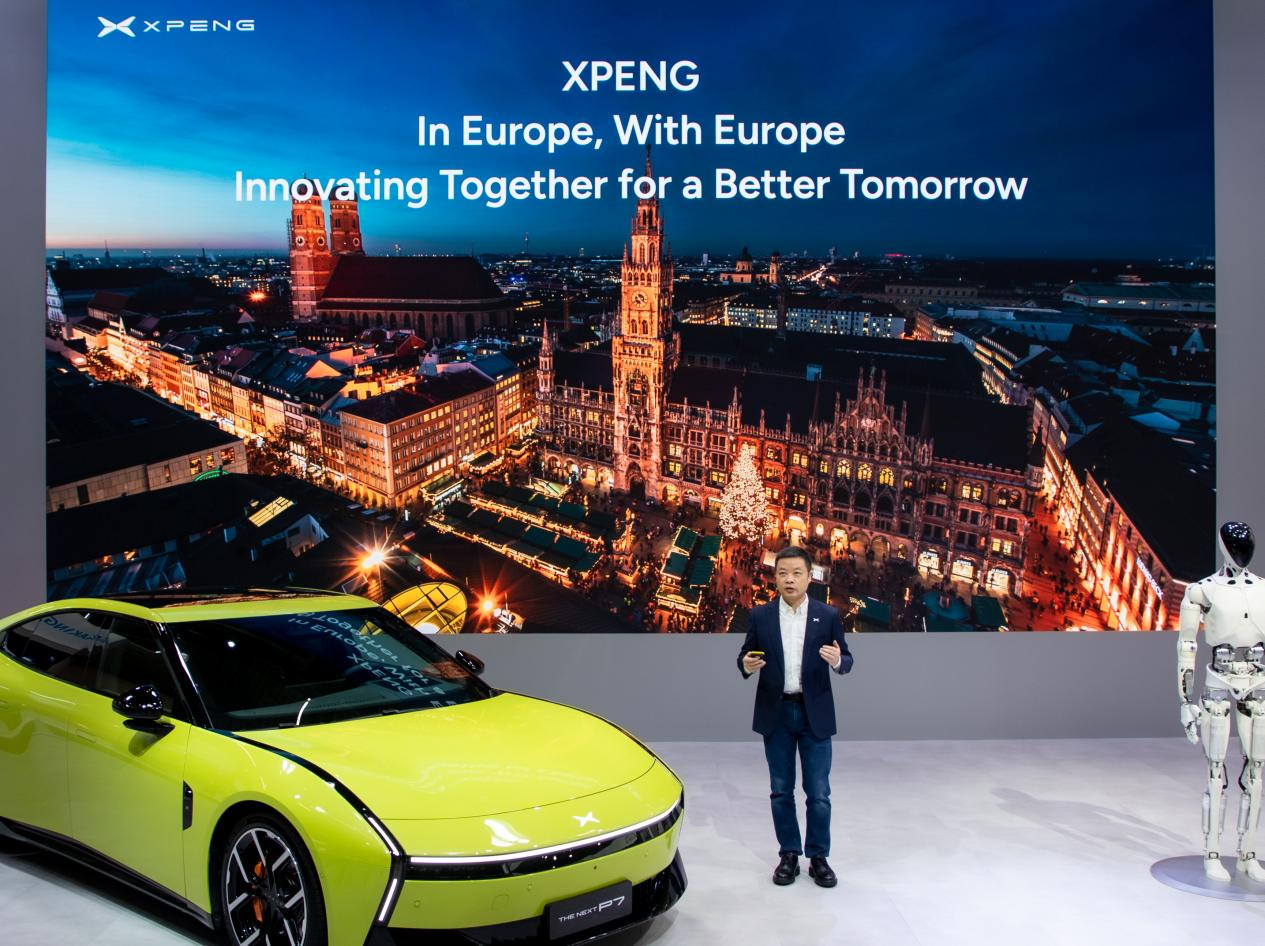
Image Source: XPeng Motors
The export model of joint ventures is also upgrading. Yang Tao stated that FAW-Volkswagen has shifted from simple capacity output to global output of Chinese solutions and products, practicing the strategy of "In China, for the world." This transformation includes not only the global layout at the OEM level but also leveraging Volkswagen's global platform to recommend high-quality local Chinese enterprises to international markets, helping the domestic supply chain go global.
He suggested that when companies go abroad, they should not only focus on product adaptation but also build a comprehensive system and service delivery capabilities. "Currently, some Chinese companies going abroad have a tendency to emphasize products while neglecting services. Systematic services such as after-sales support, information assistance, parts supply, and personnel training are not yet fully developed. The needs and regulatory requirements of different overseas markets vary, and companies need to provide differentiated and customized services and infrastructure guarantees accordingly."
As a multinational Tier 1 supplier, Autoliv is also advancing a new round of overseas expansion. Li Wenhao stated that the core reason is the accelerated overseas expansion of domestic OEMs, as the existing overseas layout can no longer meet customer service demands. Domestic customers have high requirements for efficiency and responsiveness, and companies need to simultaneously enhance their overseas service capabilities.
To achieve this, Autoliv adopts a two-way talent development model, exporting talent from the China region while also attracting overseas talent to learn domestically before dispatching them abroad for service. In terms of supply chain collaboration, the aim is to expand the domestic advantage of delivering OTS samples (tooling samples) within 30-40 days to overseas operations. This year, Autoliv also organized a visit for 10 upstream and downstream supply chain companies to North Africa, with most companies deciding to establish a presence locally. This group expedition model is highly efficient, allowing for shared information and resource integration, thus avoiding the blind approach of single enterprises venturing abroad on their own.
Although United Automotive Electronics primarily focuses on the Chinese market, as clients expand overseas, its products and technologies are also being introduced abroad, which in turn drives the upstream and downstream supply chains, including raw materials and production equipment, to expand internationally.
Wang Qinghua frankly stated that as a joint venture, relying on the global network and production bases of the parent company offers certain advantages, but there are still challenges in the overseas expansion of the controller field: firstly, it is necessary to conduct adaptation development based on the habits and needs of overseas customers; secondly, the requirements for functional safety and information security are stringent, requiring strict compliance with local regulations; moreover, local competitors are accelerating their overseas expansion, making industry competition increasingly fierce. Nonetheless, she still believes that going global is an inevitable trend for industry development, and companies need to carefully improve their technology and solutions to seize global market opportunities.
Ruichuang Weina also views going global as an important strategic opportunity. Guo Lijun believes that Chinese supply chain companies have the strength to compete globally in the fields of intelligence and electrification. Domestic enterprises have accumulated rich experience in globalization, and the advantages of the supply chain should not be limited to the domestic market; they should leverage global to unleash potential.
She emphasized that when businesses go abroad, they must adhere to the principle of respecting localization, first adapting to overseas regulations and then optimizing through collaboration. "The advantage of the Chinese supply chain lies not only in cost and speed but also in the ability for rapid iteration and system integration. In the process of going international, we should maintain cultural and technological confidence, integrating into the global industrial chain with an attitude of equal cooperation, ultimately achieving a virtuous cycle of 'innovating in China and empowering the world.'"
As Zhou Xiaoying, CEO of Geely Auto, stated, the core personnel of China's new generation of enterprises possess the cultural confidence to "view the world on equal footing," actively creating, participating, and building. This cultural gene has become an important soft power for going global. However, the road to going abroad is not smooth; challenges such as data compliance, technical adaptation, supply chain collaboration, and service system construction still exist. From product export to ecosystem co-construction, the global journey of Chinese automobiles requires multi-party collaboration, based on respect, driven by innovation, and aimed at win-win outcomes, in order to firmly establish a foothold in the global market and achieve the transition from "a major automotive nation" to "a strong automotive nation."
【Copyright and Disclaimer】The above information is collected and organized by PlastMatch. The copyright belongs to the original author. This article is reprinted for the purpose of providing more information, and it does not imply that PlastMatch endorses the views expressed in the article or guarantees its accuracy. If there are any errors in the source attribution or if your legitimate rights have been infringed, please contact us, and we will promptly correct or remove the content. If other media, websites, or individuals use the aforementioned content, they must clearly indicate the original source and origin of the work and assume legal responsibility on their own.
Most Popular
-
Dow, Wanhua, Huntsman Intensively Raise Prices! Who Controls the Global MDI Prices?
-

Clariant Unveils Cost-Cutting Plan Details, Plans to Shut Down Multiple Plants
-
[Today's Plastics Market] General Materials Weakly Fluctuate, Engineering Materials Steadily Rise
-

New Breakthrough in Domestic Adiponitrile! Observing the Rise of China's Nylon Industry Chain from Tianchen Qixiang's Production
-

Daily Review: Polyethylene Prices Under Weak Consolidation, Sellers Face Significant Pressure to Move Inventory