



Oil Prices Breach $100, Reshaping Industry Landscape: Profitability Dividend and Restructuring Logic of Coal Chemical Industry
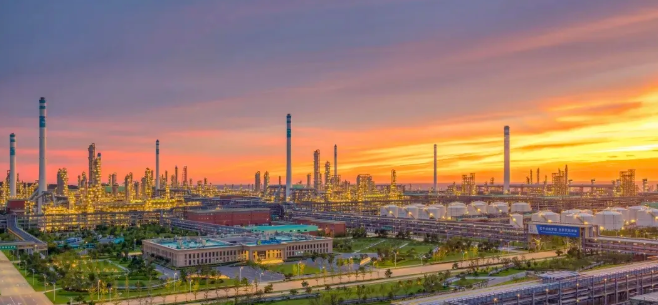
In March 2026, escalating geopolitical conflicts in the Middle East triggered severe turbulence in global energy markets, driving international crude oil prices above the $100-per-barrel mark. Brent crude futures surged to a peak of $111.04 per barrel, marking the largest single-day gain since 2022. As a core feedstock for the chemical industry, the sharp rise in crude oil prices has profoundly impacted the global chemical sector through dual channels: cost pass-through and supply chain disruptions. Against this backdrop, China’s coal-based chemical industry—leveraging the country’s resource endowment of “abundant coal, scarce oil, and limited natural gas”—has emerged as a key beneficiary of this oil price rally, thanks to its stable feedstock cost advantage and well-developed industrial chain. This development is simultaneously driving a systemic restructuring of China’s chemical industry in terms of capacity composition, competitive landscape, and growth logic.
I. The Transmission Path of Crude Oil Surge: Dual Shocks to the Chemical Industry and Pattern Differentiation
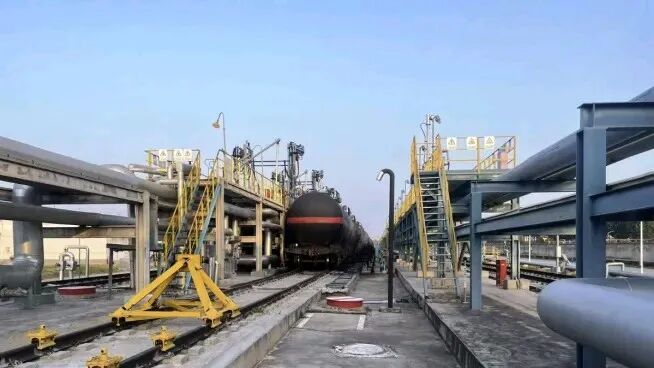
International crude oil prices have surged past the $100-per-barrel threshold, exerting a markedly structural impact on the chemical industry. This impact is transmitted through two primary channels, directly causing a fundamental shift in the competitiveness balance between oil-based and coal-based chemical production routes.
From the cost perspective, rising crude oil prices directly push up the raw material cost base for oil-based chemical production routes. Naphtha—the core raw material for oil-based olefins—is highly correlated with crude oil prices; as crude oil prices surpass $100 per barrel, the benchmark naphtha price has climbed to RMB 6,886.67 per ton, significantly increasing production costs for oil-based polyethylene (PE) and polypropylene (PP). Data shows that in 2024, the average profit for oil-based PE stood at only RMB 106 per ton, while oil-based PP remained unprofitable, with an average profit of -RMB 897 per ton. In contrast, coal-based PE and PP achieved average profits of RMB 1,967 per ton and RMB 1,066 per ton, respectively—demonstrating a pronounced cost advantage. This profit gap has further widened following the breach of the $100-per-barrel crude oil price threshold, severely pressuring the profitability of oil-based chemical enterprises; some small- and medium-sized enterprises have already resorted to production cuts or even shutdowns.
From a supply chain perspective, the Middle East geopolitical conflict has caused the traffic volume through the Strait of Hormuz to drop to 6% of the historical average, directly blocking the export channels of chemical raw materials from the Middle East. Iran, the world's second-largest methanol producer (with a capacity of about 17.16 million tons in 2025) and China's largest methanol supplier (accounting for over 60% in 2024), has seen its exports hindered, leading to a sharp tightening of the domestic methanol market supply and demand structure. The spot price of methanol quickly rose from 2,155.83 yuan/ton on February 27 to 2,575 yuan/ton on March 9, while the A-share methanol sector simultaneously increased by nearly 4%. In addition to methanol, multiple sub-sectors such as silicone, polyurethane, and others have also experienced price increases. International chemical giants such as Wanhua Chemical and Dow Chemical have all announced force majeure, signaling the full-scale restructuring of the global chemical supply chain.
II. Profitability Dividend in Coal Chemical Industry: Dual Logic of Cost Advantage and Rise of Industry Leaders
Against the backdrop of sustained pressure on oil-based chemical routes, the coal chemical industry has achieved dual gains in profitability and market share, thanks to key advantages such as stable raw material costs and a well-integrated industrial chain, further strengthening the competitive moats of industry-leading enterprises.
The structural advantage in raw material costs is the fundamental basis for coal-based chemical industry’s leading profitability. China is rich in coal resources, and the price of thermal coal has remained relatively stable for a long period, with the Qinhuangdao Port 5,500 kcal/kg thermal coal quotation hovering around RMB 710 per ton—standing in sharp contrast to the substantial volatility of crude oil prices. Regarding production capacity structure, oil-based polyethylene capacity accounts for 62% of China’s total, while oil-based polypropylene capacity accounts for 53%. Although coal-based routes still have room for further market share expansion, they have already achieved large-scale substitution capability. More critically, the break-even point for coal-based routes corresponds to an international oil price of only USD 30–35 per barrel—significantly lower than the USD 45–50 per barrel level for oil-based routes. Against the backdrop of current oil prices exceeding USD 100 per barrel, this cost advantage has been directly converted into tangible profit gains. In 2024, the average profit margin of coal-based polyethylene exceeded that of oil-based polyethylene by RMB 1,861 per ton, and the average profit margin of coal-based polypropylene exceeded that of oil-based polypropylene by RMB 1,963 per ton; this profitability gap continues to widen during periods of elevated oil prices.
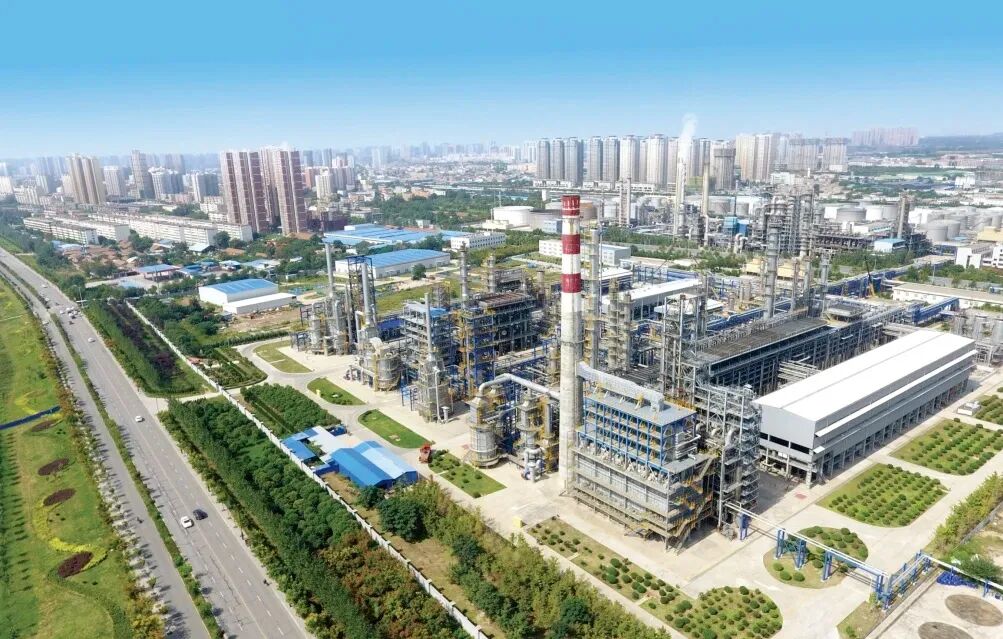
The full industrial chain layout of leading enterprises has further amplified the industry's benefits. As a leading company in the coal-to-olefins industry, Baofeng Energy has established an integrated circular economy industrial cluster of "coal-coking-gas-methanol-olefins-fine chemicals" at the Ningdong Energy and Chemical Base. By 2025, the Inner Mongolia 2.6 million tons/year coal-to-olefins and 400,000 tons/year green hydrogen integration project will come into operation, boosting its total olefins capacity to 5.2 million tons/year, making it the operator of the world's largest single-plant coal-to-olefins project. In 2025, the company achieved a revenue of 48.038 billion yuan, a year-on-year increase of 45.64%; the net profit reached 11.35 billion yuan, a year-on-year increase of 79.09%. The performance in the capital market was also impressive, with the stock price hitting the upper limit twice and reaching a historical high. Other leading enterprises such as Hualu Hengsheng and Luxi Chemical have also benefited significantly from their well-developed industrial chain layouts. Hualu Hengsheng's Jingzhou base is advancing multiple projects simultaneously, with DMF and carbonate products maintaining top market shares nationwide. Luxi Chemical has further consolidated its market position by integrating polycarbonate sales resources.
Technological iteration and green transition have injected new momentum into the long-term development of coal chemical industry. The world's first 6.5MPa, 4,000-ton class pressurized coal gasification technology has been applied at Baofeng Energy, reducing the methanol consumption from 2.88 tons to 2.65 tons, and lowering the unit polyolefin cost by approximately 8%. The large-scale application of green hydrogen coupling technology not only reduces production costs but also effectively reduces carbon emissions, alleviating the environmental pressure on the coal chemical industry. These technological breakthroughs have not only enhanced the cost competitiveness of the coal chemical industry, but also gradually narrowed the gap with oil-based chemical processes in terms of green transition, laying a solid foundation for the industry's long-term development.
III. Long-term Logic of Industry Restructuring: Dual Evolution of Capacity Reallocation and Supply Chain Restructuring
The sharp rise in oil prices this round has led to a differentiation in the industry, which is not a temporary opportunity brought about by short-term market fluctuations, but a long-term trend that will drive the optimization of production capacity structures and the reconstruction of supply chain layouts in the chemical industry, having a profound impact on the development of the industry.
From the perspective of production capacity structure, the trend of the chemical industry tilting towards coal-based routes will continue to strengthen. With crude oil prices likely to remain high, the profit pressure on oil-based chemical routes will persist, and some inefficient capacities will be phased out at an accelerated pace, while the coal chemical industry will welcome a new round of capacity expansion. Currently, the total investment in the construction and planned coal-to-olefins projects in China has exceeded 300 billion yuan, with key projects such as Baofeng Energy Ningdong Phase IV, Xinjiang Olefins Project, and China Coal Yulin Phase II progressing steadily. It is expected that in the next 3-5 years, the capacity share of coal-based polyolefins will further increase to over 30%, and the industry's capacity structure will better match China's resource endowment characteristics.
From the perspective of supply chain layout, the import substitution process in China’s chemical industry will accelerate. Taking methanol as an example, although Iran’s exports have been disrupted—causing short-term supply tightness—China’s total methanol production capacity reached 108.045 million tons per year in 2025, an increase of 5% year-on-year. Newly added capacity is concentrated primarily in coal-to-methanol projects in Northwest China, and the industry’s overall operating rate exceeds 78%. Capacity expansions by enterprises such as Jinniu Chemical and China Coal Energy have effectively alleviated supply pressure. This import substitution logic applies not only to methanol but also to high-end chemical materials: as coal chemical enterprises upgrade their technologies, certain high-end polyolefin products previously reliant on imports are gradually being substituted domestically, continuously enhancing supply chain security and self-reliance.
From a policy perspective, the green transformation of coal chemical industry will become the core theme of its development. The official implementation of the "Benchmark and Baseline Levels for Key Areas of Clean and Efficient Coal Utilization (2025 Edition)" has set higher requirements for energy consumption and environmental standards in the coal chemical sector. Currently, coal-to-chemical processes emit 8–10 tons of CO₂ per ton of product, which is 1.7–1.8 times higher than oil-based routes, leading to mounting pressure for environmental upgrades. Going forward, the depth of adoption of green technologies—such as green hydrogen integration, CO₂ capture and utilization, and green electricity substitution—will become a critical component of coal chemical companies' core competitiveness. Enterprises with green production capabilities will gain greater advantages in capacity expansion and policy support, driving the industry to gradually shift from "scale-driven expansion" toward a model emphasizing "quality, efficiency, and green, low-carbon development."
Four, Challenges and Prospects: The Balance of the Industry in the High Oil Price Cycle
Although the coal chemical industry currently enjoys significant profitability, it must address multiple challenges—including shifts in supply-demand dynamics, environmental pressures, and technological bottlenecks—to achieve long-term sustainable development.
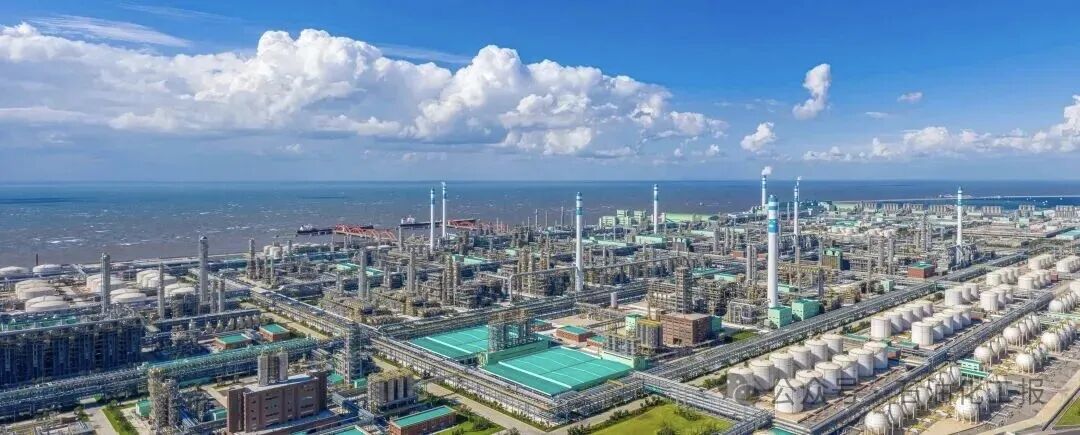
Looking ahead, a high-oil-price cycle may serve as a catalyst for the restructuring of the chemical industry, presenting both opportunities and challenges for the coal chemical industry. On the opportunity side, sustained high crude oil prices will continue to amplify the cost advantage of coal-based production routes, driving optimization of industrial capacity structure and accelerating import substitution—thereby further increasing market share for industry leaders. The application of emerging technologies such as green methanol and green hydrogen integration will open up new pathways for low-carbon development; for instance, Goldwind Science & Technology’s green methanol projects aim to achieve a capacity of 5 million tons by the 15th Five-Year Plan period, establishing the world’s largest green methanol production base. On the challenge side, the industry must strike a dynamic balance between capacity expansion and supply-demand equilibrium to avoid overcapacity in low-end sectors; simultaneously, it must intensify R&D investment to overcome technological bottlenecks in high-end products and reduce reliance on imported technologies; moreover, continuous green transformation is essential—achieving reductions in carbon intensity through technological innovation to comply with increasingly stringent environmental regulations.
Conclusion: A Dual Victory of Resource Endowment and Technological Innovation
The sharp rise in oil prices triggered by the current round of the Middle East situation is essentially a concentrated restructuring of the global energy landscape and the competitive logic of the chemical industry. The rise of the coal chemical industry not only benefits from China's resource endowment advantage of "rich in coal, poor in oil, and less in gas," but also cannot be separated from the industry's long-term accumulation in technological innovation and integrated industrial chain. Against the backdrop of the continuous pressure on the oil-to-chemicals route, the coal chemical industry not only reaps short-term profit dividends but also welcomes long-term opportunities for increased market share and enhanced industry status.
In the future, as crude oil prices are likely to remain high, the trend of the chemical industry tilting towards coal-based routes will be irreversible, and the industry's capacity structure, supply chain layout, and competitive landscape will continue to optimize. For coal chemical enterprises, only by adhering to the main line of technological innovation, continuously promoting high-end and green transformation, and enhancing product value and environmental protection levels while expanding scale, can they occupy a core position in the industry restructuring. For the entire chemical industry, this industrial transformation triggered by the surge in oil prices will promote the formation of a development pattern that better fits China's resource endowment, has greater supply chain security, and is more sustainable, injecting strong momentum into the high-quality development of China's chemical industry.
【Copyright and Disclaimer】The above information is collected and organized by PlastMatch. The copyright belongs to the original author. This article is reprinted for the purpose of providing more information, and it does not imply that PlastMatch endorses the views expressed in the article or guarantees its accuracy. If there are any errors in the source attribution or if your legitimate rights have been infringed, please contact us, and we will promptly correct or remove the content. If other media, websites, or individuals use the aforementioned content, they must clearly indicate the original source and origin of the work and assume legal responsibility on their own.
Most Popular
-
Supply Extremely Tight! LG Chem Declares Force Majeure on Export Contracts for Di-Octyl Terephthalate (DOTP)
-
Deadly Impact: Hormuz Strait Blockade Sparks Shortage of Plastic Raw Materials, Threatening Shutdowns at Japanese and Korean Chemical Plants
-
Huntsman Introduces “War Surcharge” Amid Shipping Disruption and Soaring Energy Costs, Global MDI Prices Continue to Rise
-
Catl “wins big”: Beyond Batteries, What Else Can It Sell?
-

Tao Lin: Tesla’s Supercharger Stations in China Surpass 2,500