



Tao Lin: Tesla’s Supercharger Stations in China Surpass 2,500
On March 9, Tesla Vice President Grace Tao recently posted on Weibo, disclosing the latest developments in Tesla China's charging network infrastructure.
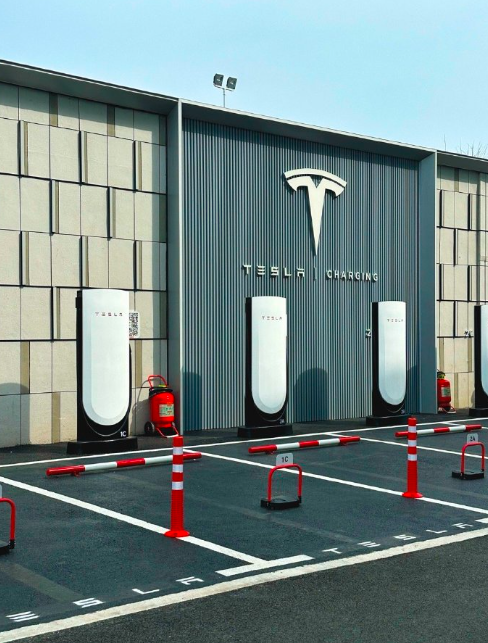
Image source: Tao Lin's Weibo
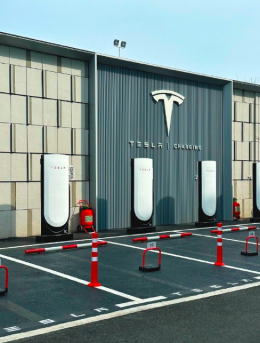
Tao Lin stated that Tesla operates the world's largest self-built charging network. In mainland China, as of now, Tesla has built over 2,500 Supercharger stations with more than 12,000 Superchargers, complemented by over 650 Tesla Destination Charging stations and home charging services, truly enabling Tesla owners to charge without worry. Many Tesla charging stations have already been opened to vehicles of other brands.
Tesla's charging network is currently divided into two main categories: Supercharger stations and Destination Charging stations. Starting June 2025, Tesla's V4 Superchargers have been gradually deployed across multiple cities in China and are now available in Shanghai, Gansu, Zhejiang, Chongqing, and other locations. These chargers feature six layers of safety protection, including rain and water resistance, and are now open to non-Tesla electric vehicles.
According to public information, the Tesla V4 Supercharger can provide up to 500 kW of charging support for electric vehicles, and offers 1.2 MW of charging support for the Tesla Semi truck. Compared to the V3 Superchargers commonly deployed in China, the V4 Supercharger has a peak charging power of approximately 250 kW, doubling the peak power.
Meanwhile, V4 charging stations include new physical payment terminals, longer cables compatible with charging ports from other EV manufacturers, and CCS connectors, allowing EV owners of other brands to use these chargers without needing an adapter.
Moreover, the V4 cabinet enables faster deployment, with each cabinet capable of powering up to eight charging stalls. Additionally, the V4 Supercharger cabinet reduces complexity and, more importantly, minimizes the space required per site cabinet, thereby accelerating site rollout. Tesla states that the V4 cabinet hardware is designed with reliability in mind and delivers three times the power density of previous generations at a lower cost.
【Copyright and Disclaimer】The above information is collected and organized by PlastMatch. The copyright belongs to the original author. This article is reprinted for the purpose of providing more information, and it does not imply that PlastMatch endorses the views expressed in the article or guarantees its accuracy. If there are any errors in the source attribution or if your legitimate rights have been infringed, please contact us, and we will promptly correct or remove the content. If other media, websites, or individuals use the aforementioned content, they must clearly indicate the original source and origin of the work and assume legal responsibility on their own.
Most Popular
-
Supply Extremely Tight! LG Chem Declares Force Majeure on Export Contracts for Di-Octyl Terephthalate (DOTP)
-
Huntsman Introduces “War Surcharge” Amid Shipping Disruption and Soaring Energy Costs, Global MDI Prices Continue to Rise
-
Deadly Impact: Hormuz Strait Blockade Sparks Shortage of Plastic Raw Materials, Threatening Shutdowns at Japanese and Korean Chemical Plants
-

LG Chem Declares Force Majeure on DOTP Exports! SABIC Joins Five Giants to Redefine EV Safety
-
Tao Lin: Tesla’s Supercharger Stations in China Surpass 2,500