



Over 28 Billion, Starbucks China Business 60% Stake Falls to Boyu: Will Operate Through Joint Venture, Headquarters Remains in Shanghai
The matter of Starbucks, the world's largest coffee chain, selling part of its business in China has finally come to a conclusion.
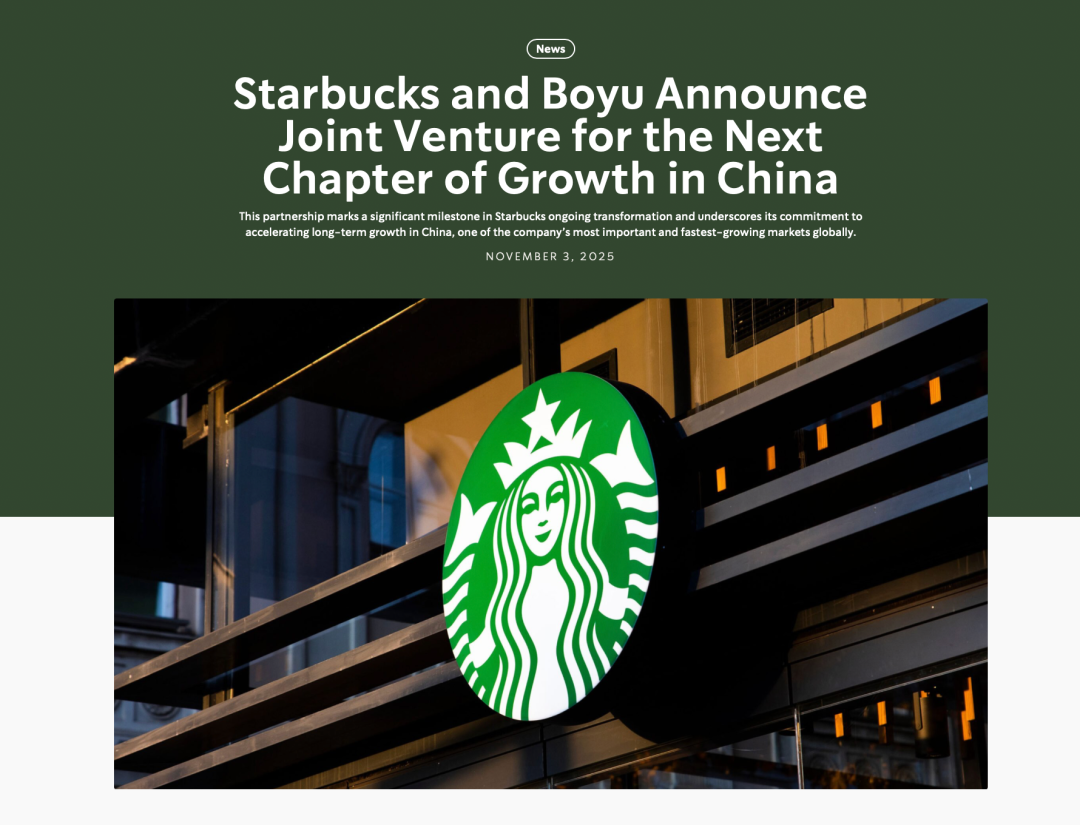
Today, Starbucks announced a strategic partnership with Boyu Capital. Establish a joint venture.Jointly operate Starbucks' retail business in the Chinese market.Starbucks today estimates that the total value of its retail business in China will exceed $13 billion (approximately 92.5 billion RMB).
This means that after 26 years in mainland China, Starbucks has found a new partner for this second largest market in the world. Additionally, this also means that...Starbucks will transfer the controlling stake of its joint venture in China to its partner, but will still maintain significant influence moving forward.
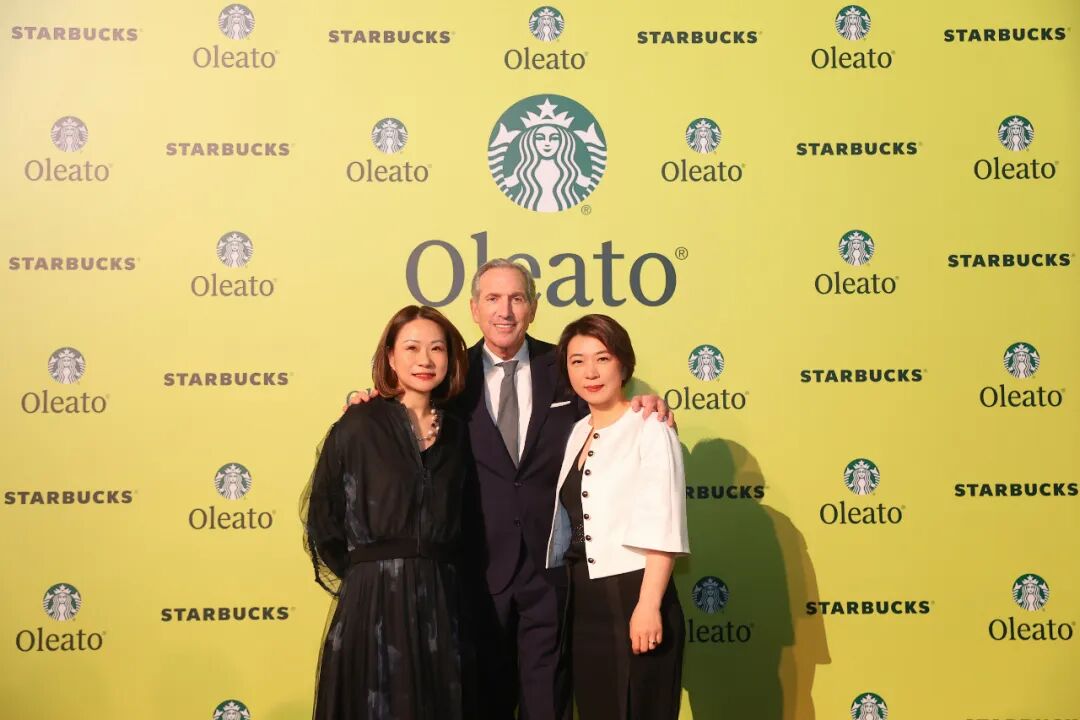
Starbucks globally described today as "This "milestone collaboration" will usher in a new chapter in the transformation and development of Starbucks China, further highlighting Starbucks' firm commitment to accelerating its expansion in China, a rapidly growing global core market.
It is worth noting that both parties also pledged to accelerate beverage and digital innovation at Starbucks China, expand into new cities and regional markets, and deepen emotional connections with customers through further localization integration.
Let's take a look at the details below.
Transaction Structure
According to the agreement arrangements, Boyu will hold up to 60% of the equity in the joint venture, while Starbucks will retain 40% of the equity and continue to serve as the owner and licensor of the Starbucks brand and intellectual property, granting licenses to the newly established joint venture.
The economic calculations for both parties are quite clear. Based on an enterprise value of approximately $4 billion (excluding cash and debt), Boyu will obtain its corresponding equity. On the global side, Starbucks expects the total value of its retail business in China to exceed $13 billion, which is composed of three parts: the value obtained from the transfer of controlling equity in the joint venture to Boyu, the equity value retained by Starbucks in the joint venture, and the ongoing licensing revenue that will be paid to Starbucks over the next ten years or longer.
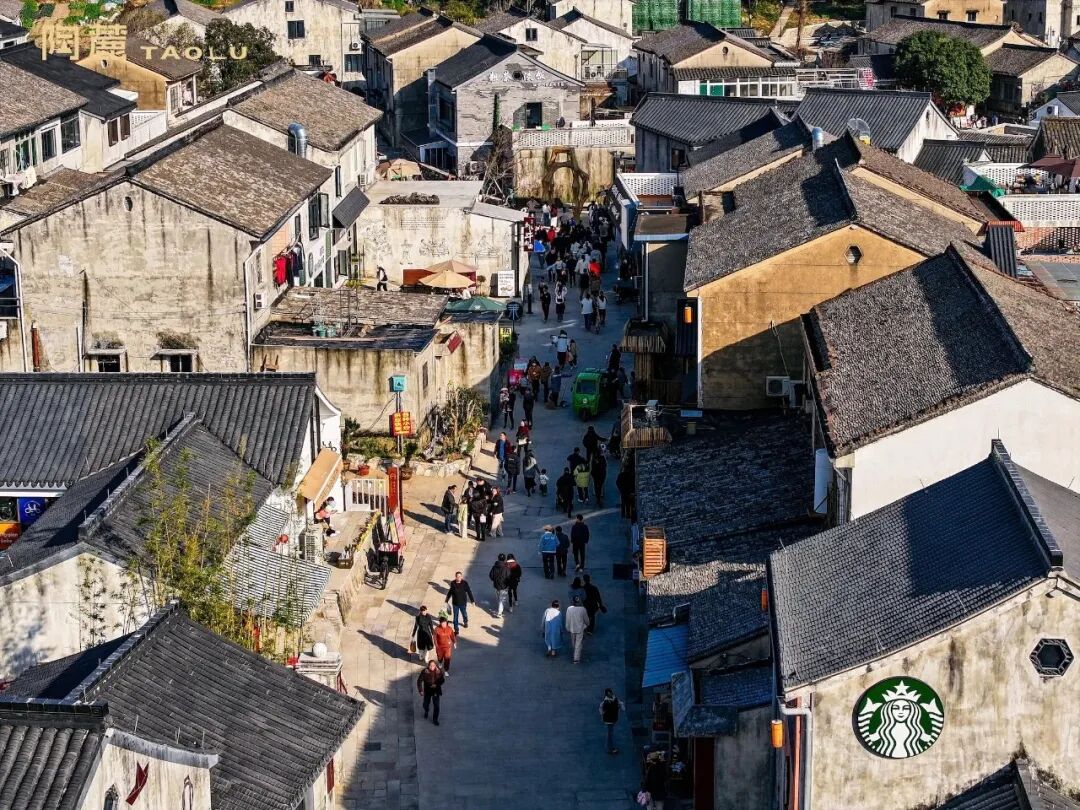
The newly established joint venture will continue to be headquartered in Shanghai, managing and operating Starbucks stores in China. The goal is to gradually expand the number of Starbucks stores in China to 20,000 in the future. However, Starbucks did not provide a specific timeline for achieving this today. Currently, there are about 8,000 stores in the Chinese market.
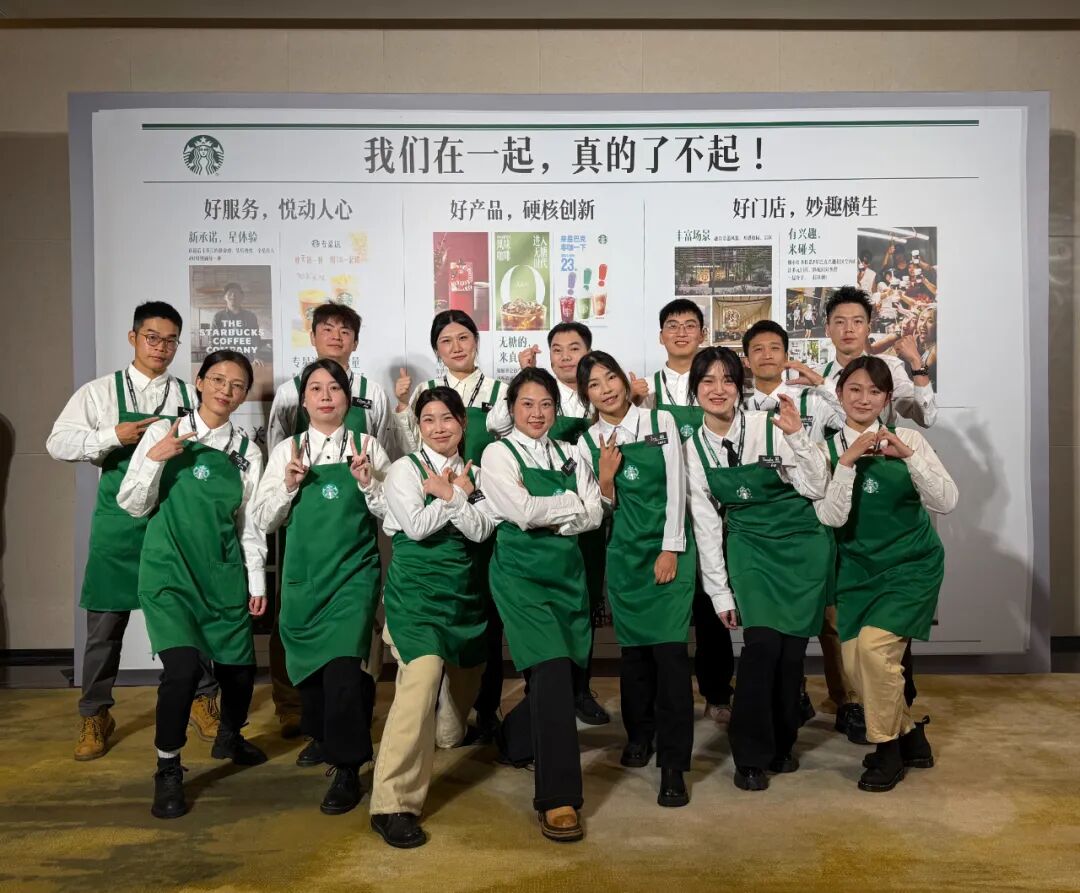
In a statement, Starbucks Coffee Company Chairman and CEO Brian Niccol said that Boyu's experience and expertise in the local market will strongly accelerate Starbucks' expansion in the Chinese market, particularly in small and medium-sized cities and emerging regions. "We will work with like-minded partners to create an outstanding partner (employee) experience and world-class customer service, and together write a new chapter in Starbucks' development in China," he said.
The report also quoted Alex Wong, partner at Boyu Capital, praising Starbucks for successfully establishing an iconic high-end brand image in China over the past 26 years and for building a deep emotional connection with Chinese customers.
"We recognize the enduring vitality of this brand and see a tremendous opportunity to bring more innovative and localized experiences to Chinese customers," he said, based on this shared belief. We will collaborate sincerely with Starbucks, integrating Starbucks' global leadership in the coffee industry with Boyu's deep local market insights, committed to accelerating growth and creating an exceptional coffee experience for a broader range of Chinese consumers.
Starbucks Executive Vice President and CEO of China, Liu Wenjuan, also stated in the announcement that with the current momentum of healthy development, the strong partnership with Boyu will further assist in...Starbucks ChinaFully unleashing the enormous market potential, bringing an exceptional high-end coffee experience to more Chinese customers, creating broader career development opportunities for partners (employees), and promoting the further upgrade and development of China's specialty coffee industry. "This collaboration demonstrates Starbucks' firm commitment to the new phase of development in the Chinese market," she said.
Finals
In fact, compared to the outcome, the process of this equity sale is equally noteworthy. Initially, even Luckin's major shareholders were rumored to be involved.
In May of this year, Reuters cited "sources" stating that Starbucks had officially initiated the process of selling a portion of its stake in its China business, inviting potential buyers to submit answers to a series of questions. These included inquiries about their corporate culture, management style, sustainability measures, treatment of employees, conceptualization of potential transaction structures for Starbucks' China business, and business plans.
From these questions, we can see Starbucks' global concerns. At that time, these "insiders" stated that Starbucks had not yet decided whether to sell a controlling stake or a minority stake in its China business, or whether it would retain certain parts of its China operations, such as its supply chain. In response, Starbucks China told Xiaoshidai, "Starbucks is not currently considering a complete sale of its China business."
The potential buyers' "lineup" was revealed collectively two months later. In July, CNBC reported that in addition to Hillhouse Capital, the internationally renowned private equity funds Carlyle and KKR, which were previously rumored in the market, Luckin Coffee's largest shareholder, Dazheng Capital, was also said to have joined the bidding team, becoming one of more than 30 bidders.
Ultimately, the number of potential buyers remaining "at the table" was narrowed down to five. In October, the Financial Times reported that five private equity firms submitted binding bids, including Carlyle and...Boyu Capital.Sequoia Capital, Primavera Capital, and FountainVest Partners are included. At that time, Carlyle and Boyu Capital were considered the preferred partners for the sale of Starbucks' equity in China, with the entire China business estimated to be valued at about $4 billion, excluding the franchise fees that are still under negotiation.
At that time, the speculation was that the bidders might ultimately form a consortium, with Starbucks retaining up to 49% of its shares. Starbucks is closely evaluating the bidders' ability to transform the supply chain in the Chinese market and maintain relationships with local partners, which gives Chinese private equity firms an advantage.
Let's first pay attention toReportedly the "number one seed."Carlyle, Boyu Capital.
Carlyle is one of the largest and most diversified global investment firms and was one of the first to enter the Chinese market.One of the private equity firms, with core investment sectors covering consumer and retail, healthcare.Real estate and infrastructure, industry and manufacturing.Technology and MediaIts investment focuses on long-term value creation, empowering invested enterprises through resource integration and industry experience, and promoting their expansion and growth in the Chinese market.
In the restaurant industry, one of Carlyle's most well-known investment cases is undoubtedly McDonald's China. In 2017, Carlyle, together with CITIC Group, acquired McDonald's China, becoming the second-largest shareholder with a 20% stake and deeply participating in its operations.In the rapidly developing six years, the number of outlets of this Western fast-food chain has more than doubled, and China has also become...McDonald's second largest and fastest growing market globally. In 2024, Carlyle sold all its "Golden Arches" shares back to McDonald's Global for approximately $1.8 billion, reportedly achieving a 6.7 times return in six years.
After making a significant profit from selling its stake in McDonald's China, Carlyle swiftly turned its attention to other international markets. In July last year, Carlyle announced the completion of its acquisition of 100% of KFC Japan shares and its privatization. The plan for KFC Japan resembles that of McDonald's China. The fund stated that by leveraging its extensive expertise in the restaurant, food, and consumer sectors, Carlyle will work with the KFC Japan management team to accelerate the opening of new stores, optimize the menu, and invest in digital innovation to enhance the customer experience.
Boyu Capital, established in 2011, is a large investment firm focused on China, with its private equity business primarily concentrating on the technology, consumer retail, and healthcare industries.
Bohai Capital's investment strategy focuses on "leading companies in high-growth industries," and it is particularly active in the Chinese market. One of its most representative cases in its early years was assisting Alibaba in the share buyback plan from Yahoo in 2012. In recent years, it has invested in ten leading companies in the new economy sector, emphasizing mutual benefits through resource integration.
Recently, the 21st Century Business Review pointed out in an article that Boyu Capital has four founding partners: Zhang Zixin, Ma Xuezheng, Jiang Zhicheng, and Tong Xiaoheng, all of whom have rich investment experience and networks. Over years of operation, the Boyu team has woven a network covering technology, consumer goods, healthcare, and real estate, with a portfolio of over 200 companies, including J&T Express, NetEase Cloud Music, Autohome, iQIYI, and China Resources Beverage. By 2023, its total managed assets have exceeded 70 billion yuan.
This year, one of the most notable investments by Boyu in the food and beverage sector is acquiring a stake in Mixue Bingcheng.$40 million subscription for cornerstone shares, becoming a leading cornerstone investor in Mixue Group. "Since the beginning of this year, Zhang Zixin's team has been quite active, making moves in multiple areas." The article states that regarding Starbucks China’s equity, Zhang Zixin's team is determined to succeed, possibly seeing its recovery potential.
Journey in China
This transaction also marks Starbucks China's return to a joint venture model from a wholly-owned operation.
In 1999, Starbucks entered the Chinese market. Due to foreign investment restrictions at the time, it adopted a franchise model, entrusting store operations to Beijing Meida (North China), Taiwan Uni-President (East China), and Hong Kong Maxim's (South China). At that time, Chinese consumers mostly associated coffee with instant coffee, and there were virtually no true chain stores serving freshly ground coffee. Shangdao Coffee, established in 1997, leaned more towards a mixed format of Western cuisine and coffee.
"We did indeed do a few things right." An article on Starbucks' global website mentioned the opening of its first store in China in 1999.For Chinese consumers, who generally have smaller living spaces, our comfortable stores make them feel at home. In addition, we also try to incorporate local flavors into our signature drinks.
As the company grew and developed, Starbucks also found a way to respect the importance of family in Chinese culture—by providing critical illness insurance for the parents of eligible employees and hosting annual forums to introduce the company’s mission, values, and future vision to employees' families. These practices were a novelty in the restaurant chain coffee market at that time.
During its many years in "tea culture powerhouse" China, Starbucks China has consistently been in a state of loss, yet it remains committed to deepening its presence and has successfully educated the market on freshly brewed coffee. The "third place" concept has been widely embraced by the business white-collar crowd. As a result, Starbucks has established itself as the leader in the high-end coffee chain market and has rapidly expanded alongside the country's economic boom.
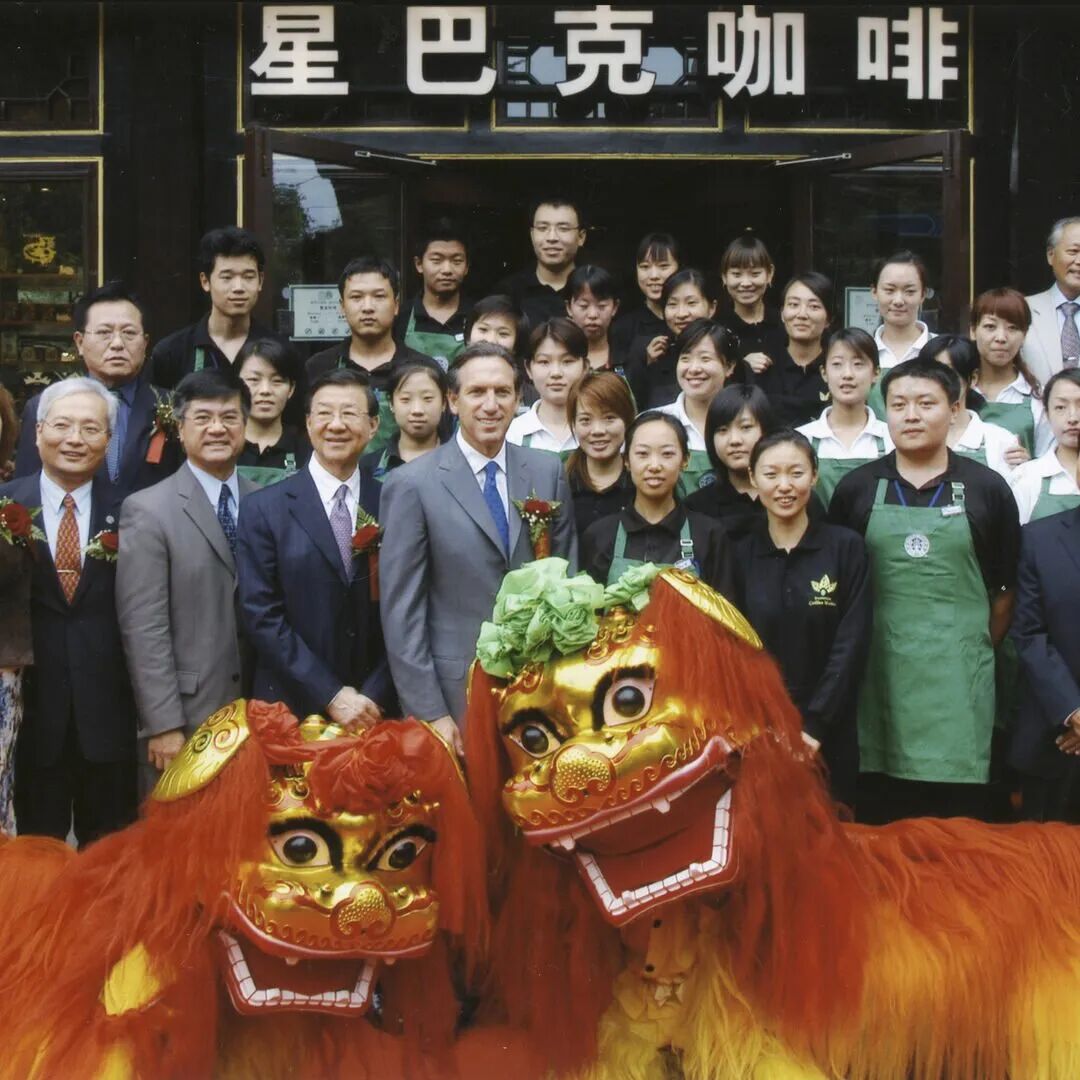
In 2005, China allowed foreign wholly-owned retail, and Starbucks began to gradually reclaim operational rights in various regions, expanding its business in China through direct operation. By 2017, after fully acquiring its joint venture with Uni-President in East China, Starbucks achieved 100% direct operation in the mainland China market.
Since entering China, Starbucks, as a "pioneer of freshly brewed coffee," has deeply engaged in the development of the industry chain, launching multiple groundbreaking investment projects. In 2012, Starbucks opened the first "Coffee Farmer Support Center" in Yunnan Pu'er, which provides agronomy skills training and resources to local farmers, becoming one of the key players in promoting the reputation of high-quality Yunnan coffee beans.
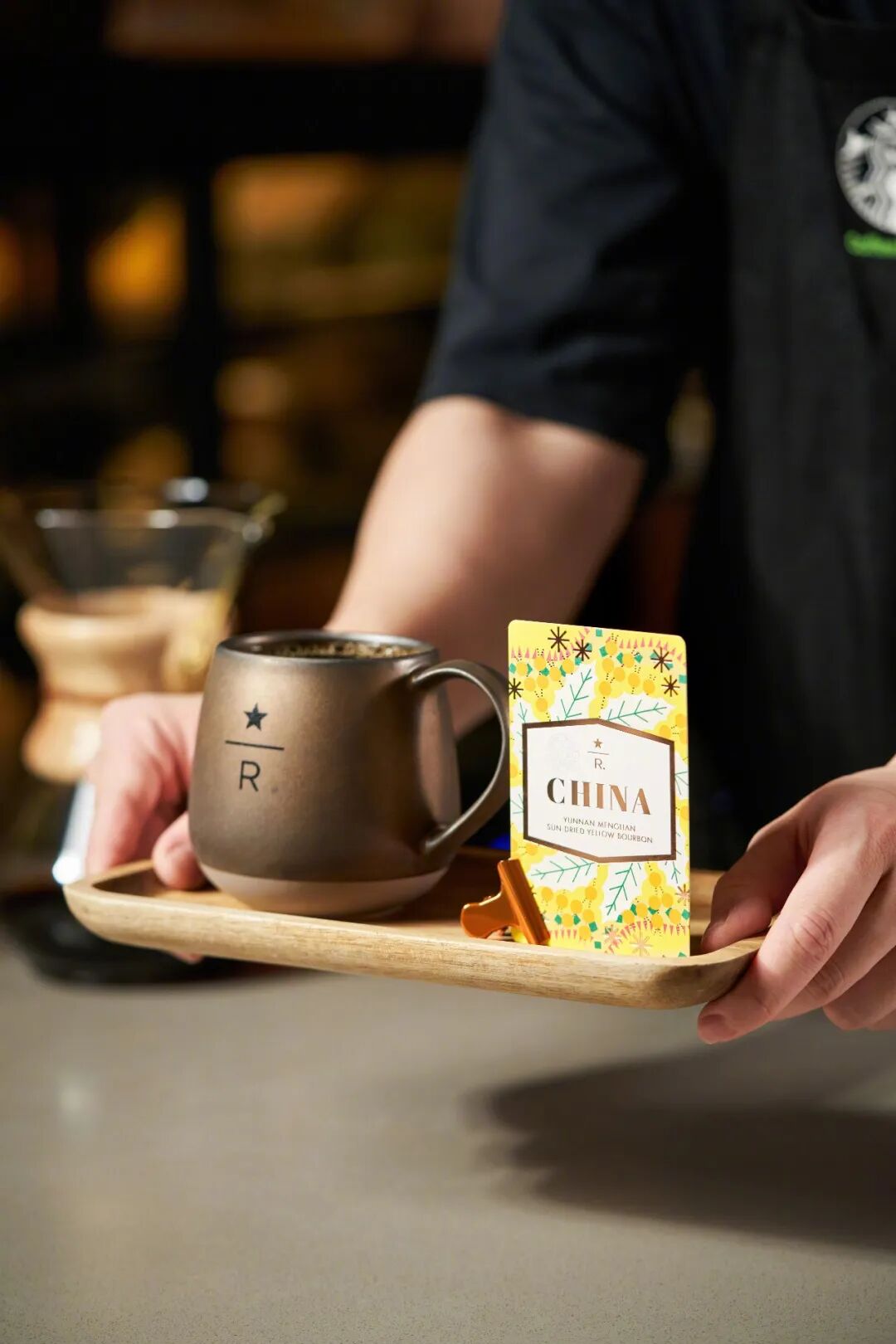
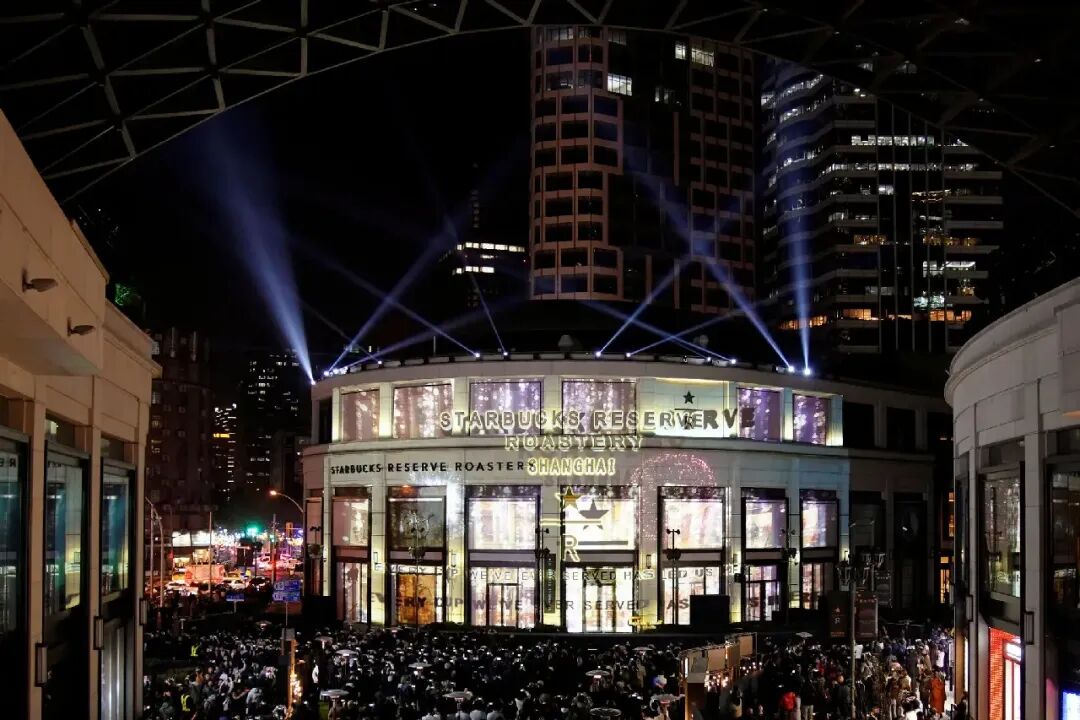
In December 2017, the Starbucks Reserve Roastery in Shanghai opened, becoming the first of this high-end store type outside the United States, where the company is headquartered. In addition to offering a variety of creative coffees, beverages, and baked goods, a major highlight of this store is its coffee roasting system, which allows customers to witness the entire process of a green coffee bean transforming into a roasted coffee bean.
In September 2023, the Starbucks China Innovation and Technology Center was launched.Invest approximately 1.5 billion RMB over three years to establish the "Starbucks China's first exclusive Digital Technology Innovation Center," creating a Starbucks experience that exceeds expectations from the perspectives of stores, products, and partners (employees).
For a long time, Starbucks has dominated the coffee chain market in China, making it the fastest-growing and largest overseas market for the company. Of course, this success is closely tied to a familiar name—Belinda Wang. It can be said that without her, there would be no Starbucks in China as we know it today; she is the key contributor to the company's establishment and rapid expansion in the Chinese market.
Wang Jingying became the head of Starbucks China in 2011 and decided to retire from the company on January 24 this year. Under her leadership, Starbucks expanded from fewer than 500 stores to over 7,500 stores and 60,000 employees in more than 900 county-level markets in China by the time of her retirement.
Last year, Howard Schultz, the founder of Starbucks, recalled on a podcast that when Starbucks first entered China, it struggled for nearly a decade due to acclimatization issues and was on the verge of pulling out. It wasn't until Belinda Wong took over that the situation turned around. "In my view, she might be the most valuable partner in the company," he said.
However, the rapid development of China's coffee market has brought unprecedented competitive pressure to Starbucks.
On the one hand, with coffee consumption increasingly becoming a necessity, convenience and price have become key factors in consumer choices. Local newcomers represented by Luckin Coffee, along with various tea chain brands that have crossed over into this market, have quickly seized market share with their affordable pricing strategies.From boutique chains and popular brands to unique owner-operated stores, a diversified competitive landscape is reshaping the market ecosystem.
On the other hand, the popularization of coffee culture and consumers' pursuit of diverse, high-quality coffee experiences have raised higher demands for brand innovation. Many emerging players have made coffee—a beverage that once had a certain acceptance threshold—more accessible by incorporating familiar tea elements, local specialty fruits, or traditional dessert flavors. They have attracted a large number of young people through rapid product iteration and creative co-branding marketing strategies.
Against this backdrop, Starbucks proposed for the first time last year the possibility of exploring strategic cooperation in the Chinese market.Further strengthen competitiveness and seek long-term growth in China.Initially, the cooperation direction was not specified, but it was only this year that it was clarified that part of the equity would be sold.
Subsequently, Starbucks' global CEO Brian Niccol stated that the company is flexible regarding the specifics of the deal and hopes to retain "a significant share" in its China operations. He also hinted that the value of Starbucks' business in China is much higher than previously expected.
"We expect the value created by Starbucks' China business to exceed $10 billion, including the upfront investment from potential partners, the stake in the China business retained by Starbucks, and future royalties," he previously told CNBC.
According to the blueprint envisioned by Starbucks' CEO, after finding partners, the coffee chain aims to seize the opportunity to open 20,000 or even 30,000 stores in China in the future.Brian NiccolThe key lies in how to ensure that the Starbucks brand is in a stronger position in China in the future.
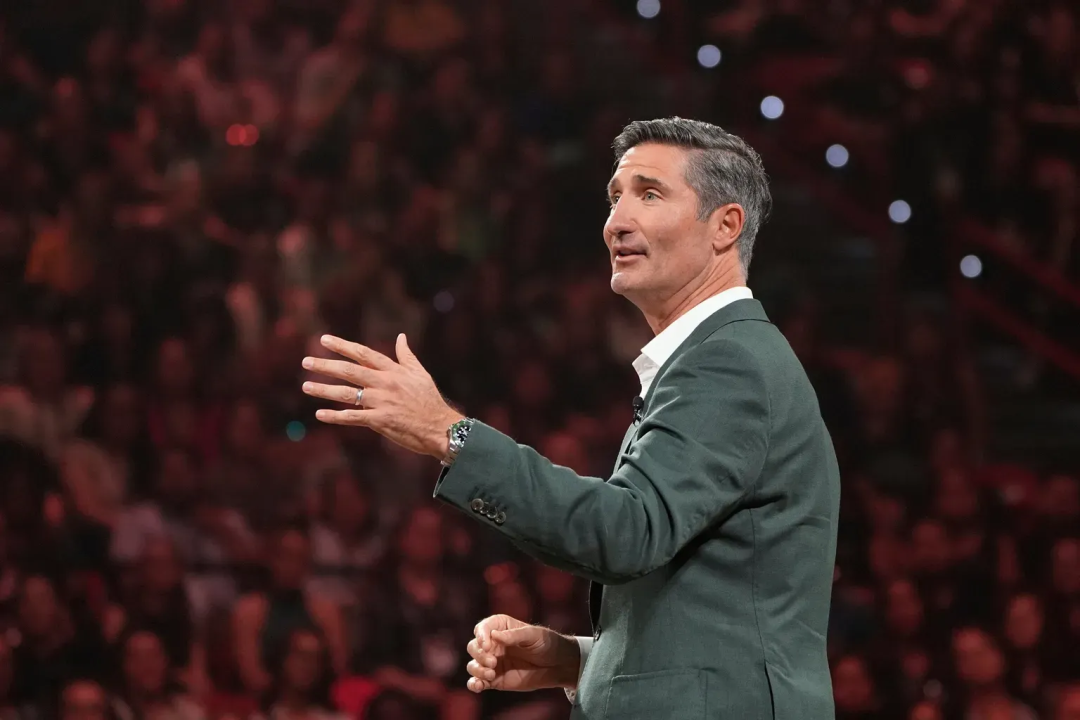
Starbucks CEO Brian Niccol
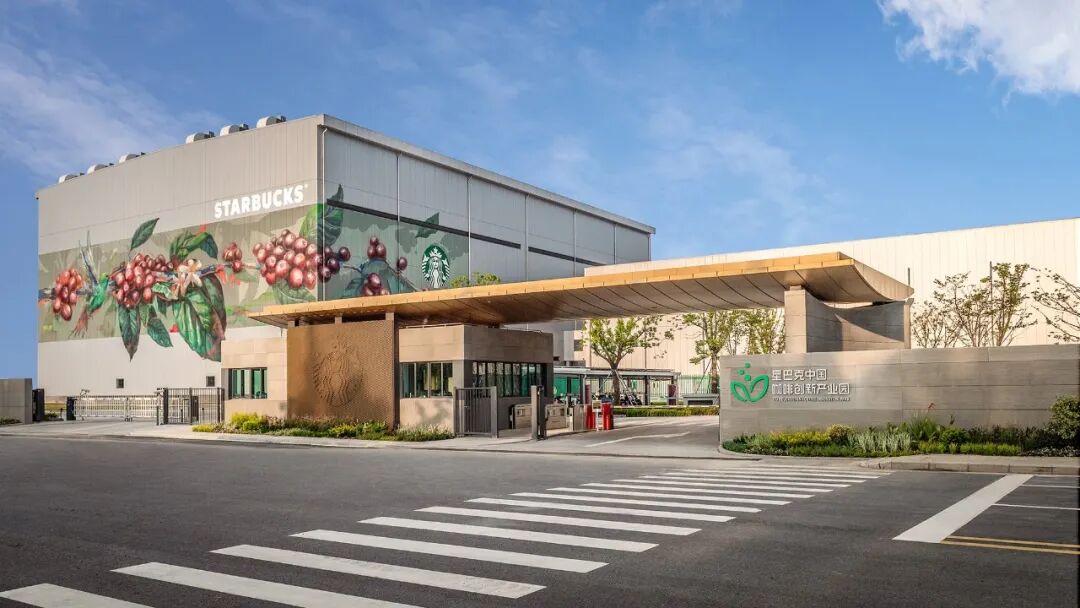
During the negotiations, Starbucks was also reportedly seeking to retain its coffee bean roasting plant located in Kunshan.To control the quality, we will take charge of the control rights. Snack Generation.Introduced.The factory was completed and put into operation in 2023, with a total investment of 1.5 billion yuan. At that time, it was Starbucks' largest productive strategic investment outside of the U.S., marking China's first large-scale integration of the "bean to cup" vertical supply chain among Starbucks' global markets.
The above-mentioned production base is“Coffee Roasting Factory”、“Integrated Logistics Center"and"Coffee Journey Experience CenterThree core entities form a system that covers functions such as coffee bean import, roasting, packaging, storage, and logistics, which are indispensable for enhancing coffee freshness and local customization innovation.
Molly Liu is now continuing to "take the helm" for Starbucks China, responsible for leading Starbucks' operations in the country. She has been serving as the CEO of Starbucks China for a year, focusing on driving the continuous growth of the business in China.
For example, while exploring equity sales at its global headquarters, Starbucks China is striving to drive business recovery through various efforts, including product and store service innovation, deepening member value, and brand marketing. Food and Beverage Insight has noted that during this period, there have also been several high-level changes at Starbucks China, including the establishment of a new Chief Growth Officer position, as well as the appointment of a new Chief Financial Officer and Vice President of Operations, among others.
According to Starbucks' fiscal year 2025 announced recently.(as of September 28, for the 52 weeks)In terms of performance, same-store sales in the Chinese market have achieved positive growth for the second consecutive quarter, and Starbucks has surpassed 8,000 stores in China; by the end of the fiscal year, the number of active members in the Starbucks Rewards program reached a record high of 25.5 million; for the full fiscal year 2025, Starbucks recorded nearly 5% growth in net revenue in the Chinese market, amounting to approximately 22 billion RMB, and demonstrated "good store economic efficiency."
For the strategic partnership announced today, Starbucks stated that it marks a new chapter after 26 years of deep cultivation in the Chinese market.
Starbucks stated in a briefing that the globally renowned brand influence of Starbucks, its coffee expertise, and unique partner culture focused on people, combined with Boyu's deep understanding of Chinese consumers, will enable both parties to jointly enhance Starbucks' customer experience in the Chinese market. They aim to accelerate beverage and digital innovation, expand into new cities and regional markets, and deepen emotional connections with customers through further localization.
The announcement concluded by stating that after 26 years of deep engagement in the Chinese market, Starbucks has always adhered to deep integration with local communities and coexists with a beautiful China. The strategic partnership between Starbucks and Boyu will mark a new starting point for this unique journey of co-prosperity in business growth and social responsibility.
【Copyright and Disclaimer】The above information is collected and organized by PlastMatch. The copyright belongs to the original author. This article is reprinted for the purpose of providing more information, and it does not imply that PlastMatch endorses the views expressed in the article or guarantees its accuracy. If there are any errors in the source attribution or if your legitimate rights have been infringed, please contact us, and we will promptly correct or remove the content. If other media, websites, or individuals use the aforementioned content, they must clearly indicate the original source and origin of the work and assume legal responsibility on their own.
Most Popular
-
Layoffs, Divestments, Plant Closures While Pouring Billions: BASF Undergoes Major Transformation!
-
Ascend Adipic Acid Hit By Force Majeure, Market Expects Supply Resumption In Mid-September
-

Raw Material Supply Shortage! INEOS Phenol Declares Force Majeure on Phenol and Acetone Businesses
-
South Korea initiates anti-dumping investigation against Chinese PVC suspension resin! The target is Tianjin Bohua and Wanhua Chemical. How to break through?
-

Sixth national procurement set to be implemented: A “Reshuffling” Moment for the $10-Billion Medical Device Market